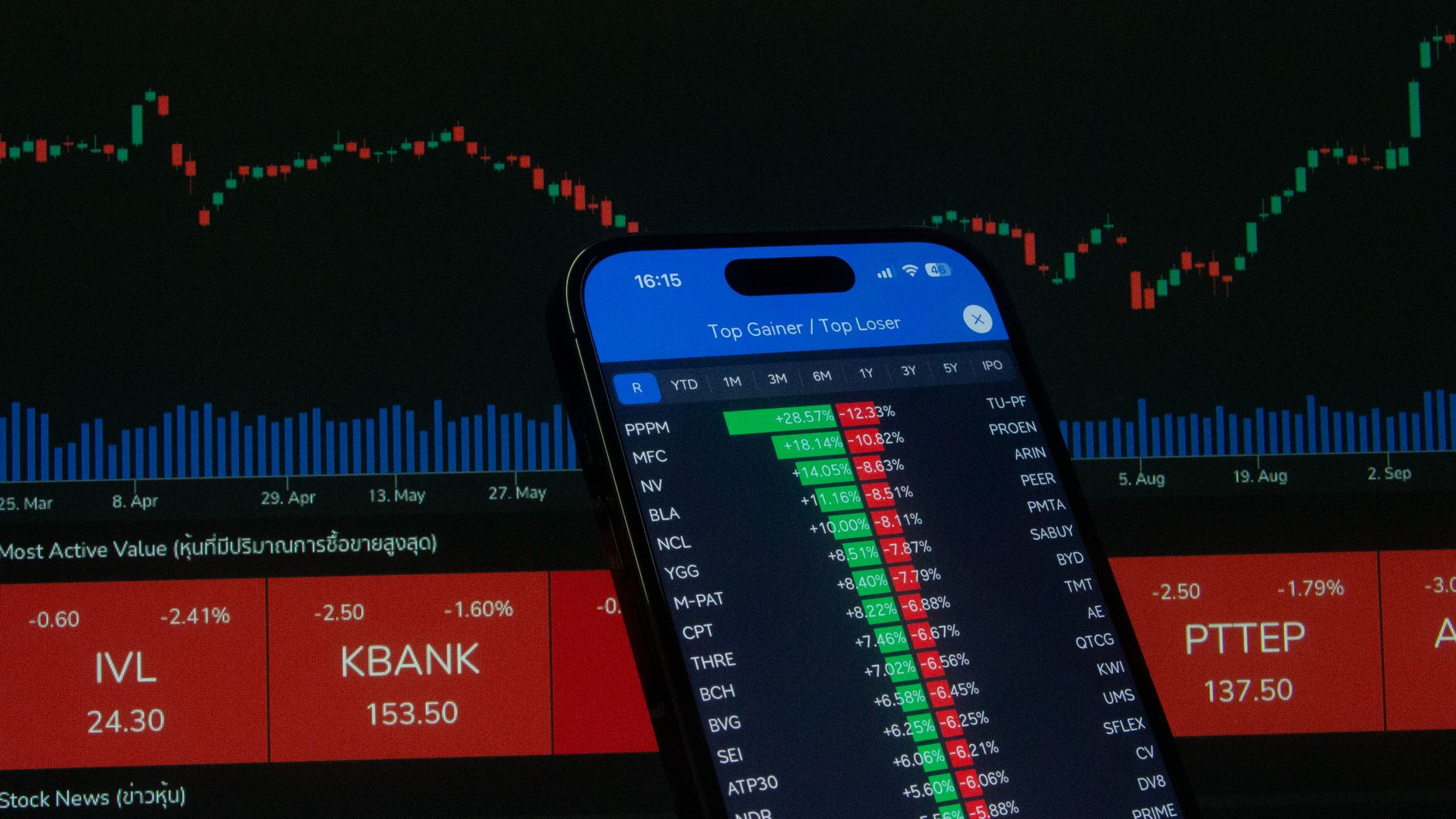
Low-price stocks, often trading below Rs 100 per share, have long attracted investors looking to enter the stock market with limited capital. While the absolute price of a stock doesn't determine its quality, affordable shares allow retail investors to build diversified portfolios without substantial initial investment. As we move into 2026, understanding the dynamics of low-price stocks becomes crucial for making informed decisions.
Why Low-Price Stocks Appeal to Investors
The primary advantage of low-price stocks is accessibility. With limited capital, investors can purchase a larger quantity of shares, making them feel more invested in their portfolio. Additionally, these stocks often exhibit higher percentage movements, creating opportunities for significant gains when fundamentals improve.
Many fundamentally strong companies trade at lower absolute prices due to factors like high share counts or being in cyclical industries during downturns. This creates opportunities for value investors to identify quality businesses temporarily available at attractive valuations.
Categories of Low-Price Stocks
Low-price stocks typically fall into several categories. Small-cap and mid-cap companies often trade at lower absolute prices as they're still growing and haven't commanded premium valuations. Cyclical stocks in sectors like metals, infrastructure, or textiles may see their prices compress during industry downturns, presenting buying opportunities for patient investors.
Turnaround candidates—companies restructuring operations or recovering from temporary setbacks—frequently trade at depressed prices. PSU stocks sometimes trade below Rs 100 despite having strong asset bases, primarily due to governance concerns or inefficient operations.
Key Factors to Evaluate
Price alone should never drive investment decisions. Investors must examine fundamental metrics to distinguish between value opportunities and value traps.
Financial health indicators include consistent revenue growth, improving profit margins, and manageable debt levels. A company trading at Rs 50 with deteriorating finances is less attractive than one at Rs 80 with improving fundamentals.
Sectors Worth Watching in 2026
Several sectors may offer interesting low-price opportunities in 2026. The infrastructure sector benefits from continued government spending on roads, railways, and urban development. Companies in this space with strong order books and execution capabilities deserve attention.
The renewable energy sector, including solar and wind power companies, may present opportunities as India accelerates its clean energy transition. Manufacturing companies aligned with the Make in India initiative and PLI schemes could see improved fundamentals.
Public sector banks have shown improving asset quality and profitability, with several still trading at reasonable valuations. The textile and chemical sectors, being cyclical, periodically offer entry points during downturns.
Risks Associated with Low-Price Stocks
Low-price stocks carry specific risks that investors must acknowledge. Liquidity can be a major concern—some stocks have low trading volumes, making it difficult to enter or exit positions at desired prices.
Higher volatility is common, with prices swinging dramatically based on market sentiment or company-specific news. Penny stocks, particularly those below Rs 10, are often subject to manipulation and should be approached with extreme caution.
Many low-price stocks lack research coverage from major brokerages, making information gathering more challenging. Corporate governance issues may also be more prevalent in smaller companies.
Building a Low-Price Stock Portfolio
Diversification remains essential even when investing in affordable stocks. Spreading investments across different sectors reduces concentration risk. Rather than investing lump sums, systematic buying through SIPs in stocks can average out purchase costs.
Setting clear entry and exit points helps maintain discipline. A stock purchased at Rs 60 with a target of Rs 90 and a stop-loss at Rs 50 provides a structured approach to position management.
Regular monitoring of quarterly results, management commentary, and industry trends helps investors stay informed about their holdings. Be prepared to exit positions if fundamental assumptions change, regardless of current profit or loss.
Beyond Absolute Price
Successful investing in low-price stocks requires looking beyond the price tag. Valuation metrics like price-to-earnings ratio, price-to-book ratio, and debt-to-equity ratio matter more than absolute share price. A Rs 20 stock trading at 50 times earnings is more expensive than a Rs 500 stock at 10 times earnings.
Quality management, sustainable competitive advantages, and growth visibility should drive selection. The best low-price stocks are often those temporarily out of favor rather than permanently impaired businesses.
This article provides general information for educational purposes only and should not be considered investment advice. Stock markets involve substantial risk, and past performance doesn't guarantee future results. Investors should conduct thorough research, consider their risk tolerance and financial goals, and consult with qualified financial advisors before making investment decisions. The mention of specific sectors or criteria does not constitute recommendations to buy or sell any particular securities.