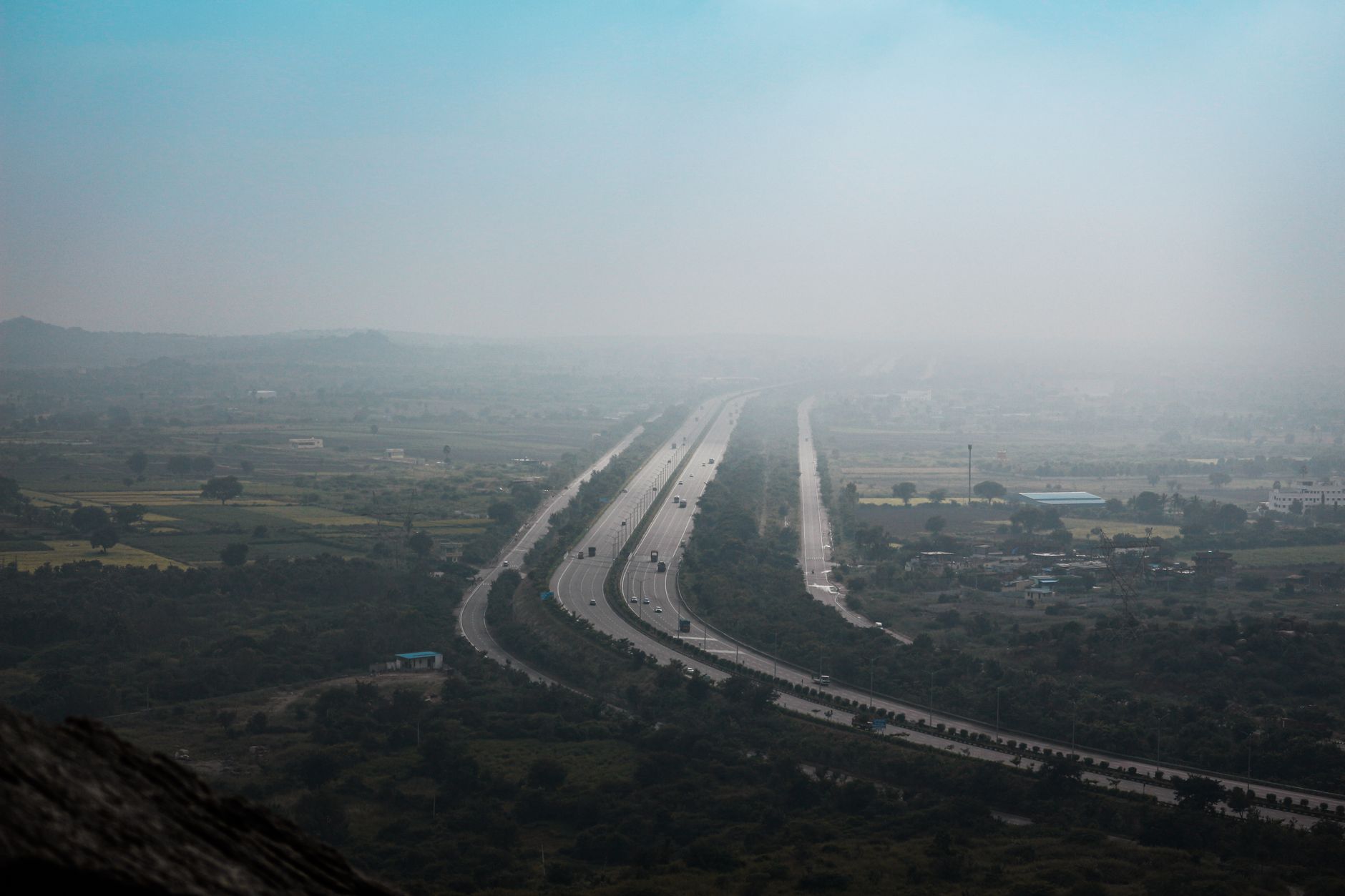
Northern Telangana is poised for a dramatic transformation as a massive ₹7,597-crore highway expansion project targets National Highway 63 and National Highway 563, promising to reshape travel, tourism, and economic prospects across the region. This ambitious infrastructure initiative represents one of the most significant investments in the state's road network, with far-reaching implications for both domestic travelers and the local economy.
The Scope of the Highway Expansion
The project focuses on two critical national highways that serve as vital arteries connecting northern Telangana to neighboring states and major urban centers. National Highway 63 runs through strategically important districts, while NH-563 provides crucial east-west connectivity. The expansion will include widening existing stretches, constructing new bypasses around congested towns, building modern interchanges, and implementing safety features designed to international standards.
The highways will be upgraded to four-lane or six-lane configurations depending on traffic density projections, with provisions for future expansion. This represents a fundamental upgrade from the current two-lane stretches that have struggled to accommodate growing commercial and passenger traffic.
Impact on Pilgrimage Tourism
Northern Telangana hosts numerous important religious sites that attract millions of devotees annually. The Basar Saraswati Temple, Dharmapuri Lakshmi Narasimha Swamy Temple, and Kaleshwaram Temple are among the prominent pilgrimage destinations that have long suffered from poor road connectivity.
The improved highways will dramatically reduce travel times from major cities like Hyderabad, Nagpur, and Pune, making these sacred sites more accessible to pilgrims. Better road conditions mean more comfortable journeys, particularly for elderly devotees and families traveling with children. Tourism industry experts anticipate a 40-50% increase in pilgrim footfall once the highways are fully operational.
The infrastructure upgrade will also enable better development of tourism amenities along these routes, including rest stops, hotels, restaurants, and information centers, creating a more hospitable environment for religious travelers.
Connectivity Improvements Across Districts
The highway expansion will significantly improve connectivity for districts including Nirmal, Nizamabad, Mancherial, and Adilabad, regions that have historically remained on the periphery of Telangana's rapid development. These areas will gain faster access to Hyderabad and other major commercial hubs, effectively reducing their economic isolation.
Travel time between the state capital and northern district headquarters could be reduced by 30-40%, transforming what were once arduous day-long journeys into manageable half-day trips. This improved connectivity will facilitate better access to healthcare, education, and employment opportunities for residents of these northern regions.
Economic and Trade Benefits
Beyond tourism, the highway expansion is expected to unlock substantial economic potential. Northern Telangana possesses rich agricultural output, including turmeric, cotton, and various food grains, but has struggled with transportation challenges that increased costs and reduced competitiveness.
Improved highways will reduce logistics costs, minimize produce spoilage through faster transit times, and enable farmers to access better markets. The region's emerging industrial sectors, particularly in Mancherial and Nizamabad, will benefit from more efficient supply chains and improved access to raw materials and consumer markets.
The construction phase itself will generate thousands of direct and indirect employment opportunities, providing an immediate economic boost to local communities. Post-completion, the highways will attract investment in logistics hubs, warehousing facilities, and manufacturing units that prefer locations with excellent connectivity.
Implementation Timeline and Challenges
Large-scale infrastructure projects of this magnitude typically face implementation challenges including land acquisition, environmental clearances, and coordination between multiple government agencies. However, the substantial budget allocation demonstrates strong political commitment to the project's completion.
Construction is expected to be executed in phases, with priority sections being completed first to deliver early benefits. Modern construction techniques and project management practices should help keep the timeline on track, though travelers should anticipate some temporary disruptions during the construction period.
Environmental and Safety Considerations
The project incorporates environmental safeguards including wildlife crossings in forested sections, drainage systems to prevent waterlogging, and noise barriers near residential areas. Road safety features such as improved signage, emergency pull-over bays, and street lighting will make travel safer, particularly at night.
This highway expansion represents a transformative investment that will reshape northern Telangana's connectivity landscape, making the region more accessible to travelers, more attractive to investors, and better integrated into the state's economic mainstream. For travelers, the improved infrastructure promises safer, faster, and more comfortable journeys whether visiting temples, conducting business, or exploring the region's natural and cultural attractions.