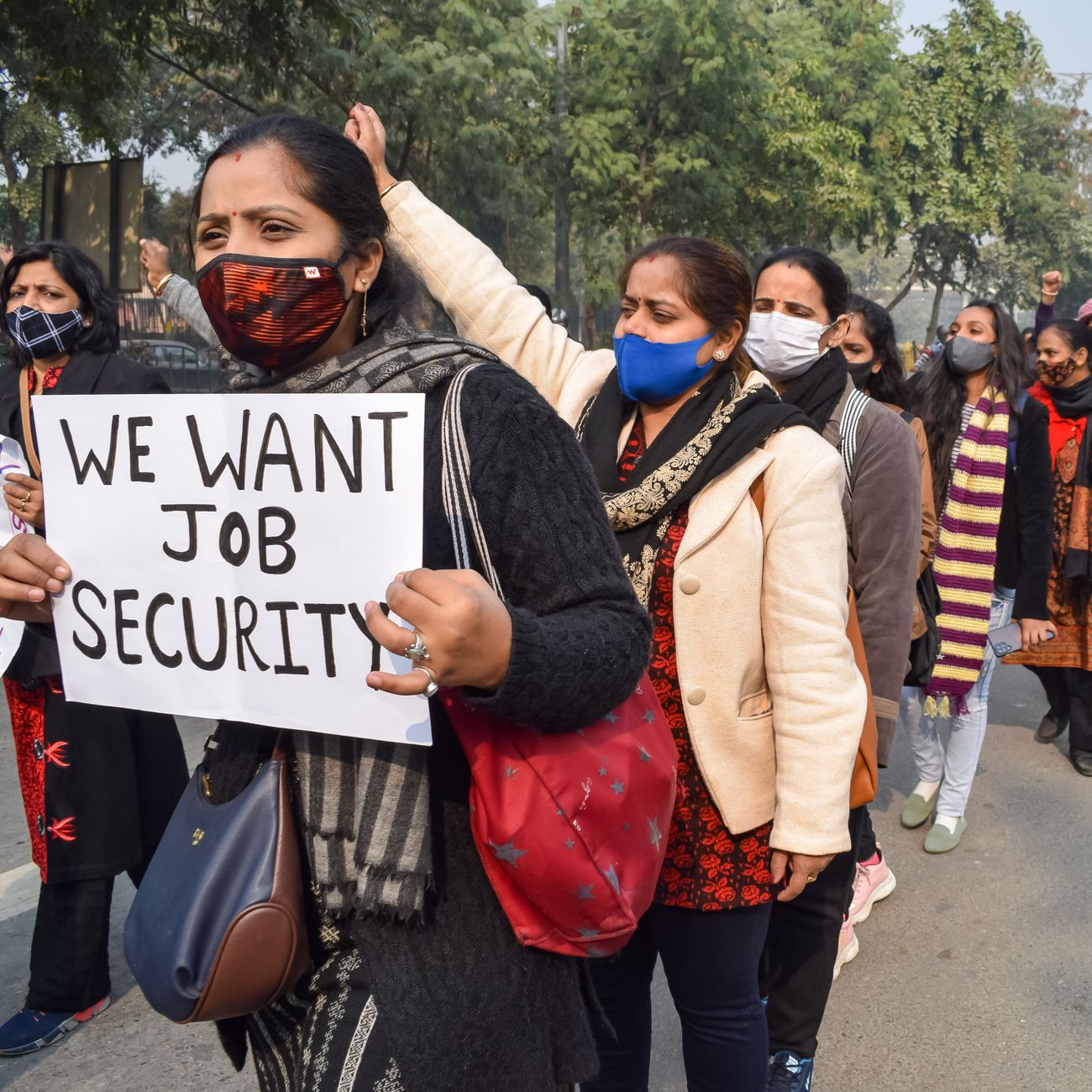
India's largest cities present a puzzling contradiction in their employment landscape. While job seekers in metropolitan areas are landing positions with better designations and higher compensation packages than ever before, unemployment rates in these urban centres continue to hover at concerning levels. This disconnect between job quality and availability highlights fundamental mismatches in India's evolving economy.
The Urban Employment Paradox
Metropolitan cities like Mumbai, Delhi, Bangalore, and Hyderabad have become engines of economic growth, particularly in technology, finance, and professional services sectors. Companies in these cities are offering competitive salaries, enhanced benefits, and career progression opportunities that previous generations could only dream about. Fresh graduates from premier institutions routinely receive packages ranging from ten to twenty lakh rupees annually, while mid-career professionals command even higher compensation.
Yet despite this apparent prosperity, urban unemployment remains stubbornly elevated. The contrast is particularly stark among educated youth, where unemployment rates often exceed those of less educated cohorts. This suggests that the issue is not simply about job creation, but about the nature and distribution of opportunities.
Structural Skill Mismatches
One primary driver of this paradox is the growing gap between employer requirements and available skills. The modern urban economy increasingly demands specialised technical knowledge, digital literacy, and soft skills that traditional education systems have struggled to provide. Engineering graduates may find themselves unemployable in technology companies because their curriculum lacks practical, industry-relevant training. Similarly, commerce graduates often lack the analytical and communication skills that contemporary businesses require.
The rapid pace of technological change has exacerbated this problem. Skills that were valuable five years ago may now be obsolete, while emerging areas like artificial intelligence, data science, and cloud computing face acute talent shortages. This creates a situation where high-paying jobs go unfilled while qualified candidates on paper cannot find suitable employment.
The Quality Versus Quantity Equation
Another dimension of this challenge involves the concentration of quality employment opportunities. Better jobs with higher pay tend to cluster in specific sectors and companies. Technology giants, multinational corporations, and established financial institutions offer excellent compensation and working conditions, but they represent a relatively small fraction of total urban employment.
Meanwhile, the broader urban economy generates numerous positions in retail, hospitality, logistics, and informal services that offer lower wages and limited growth prospects. Many job seekers, particularly those with higher education, view these opportunities as beneath their qualifications and aspirations, choosing extended unemployment over perceived underemployment.
Regional Migration and Competition
India's major cities also face intense competition for desirable positions due to migration patterns. Talented individuals from across the country converge on metropolitan areas seeking opportunities, creating an oversupply of candidates for premium positions. While this benefits employers through access to diverse talent pools, it intensifies competition and can leave many qualified individuals jobless.
This concentration effect is particularly pronounced in sectors like information technology, where Bangalore and Hyderabad dominate, or finance, where Mumbai remains the undisputed centre. Job seekers relocate to these cities with high expectations, but the reality of limited openings and fierce competition can lead to prolonged unemployment spells.
The Credential Inflation Trap
As more Indians obtain higher education degrees, credential inflation has become a significant factor. A bachelor's degree that once guaranteed employment now serves merely as a minimum qualification. Employers raise requirements to filter candidates, demanding postgraduate degrees, certifications, or prior experience for entry-level positions. This creates barriers for fresh graduates and contributes to extended job search periods.
Economic Cycles and Sectoral Shifts
Recent economic volatility has also played a role. Slowdowns in specific sectors, changing consumer patterns, and global economic headwinds have made employers cautious about expansion. Companies may increase compensation for existing employees or critical roles while limiting new hiring, creating the appearance of a healthy job market while actual employment generation stagnates.
The shift toward automation and productivity enhancement means that economic growth no longer translates directly into proportional job creation. Businesses can expand revenue and output with smaller workforces, particularly in urban settings where technology adoption is highest.
Looking Forward
Addressing this paradox requires multi-pronged approaches including education reform emphasising practical skills, expanded vocational training, entrepreneurship support, and realistic career counselling. Both job seekers and the education system must adapt to evolving market demands while policymakers work to stimulate broader-based urban employment growth beyond a few privileged sectors.