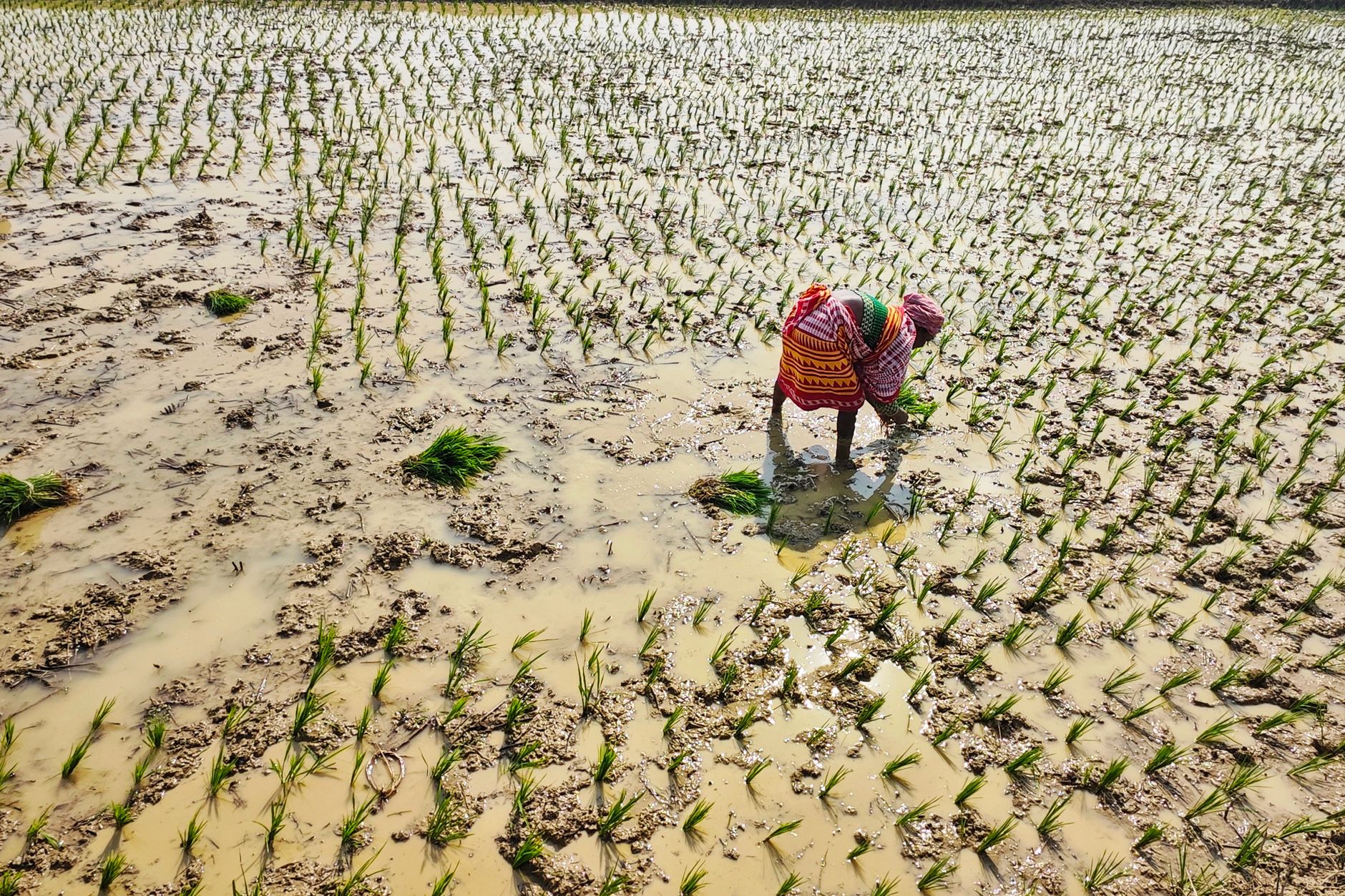
India's agricultural sector remains heavily dependent on monsoon rains, with nearly 52 percent of the country's cultivated area still relying on rainfall rather than irrigation. When monsoons fail or arrive late, farmers face devastating crop losses, debt traps, and financial ruin. But a growing number of investment firms, agri-tech startups, and seed companies believe that advanced seed technology could provide a sustainable solution to this age-old problem.
The Monsoon Dependency Challenge
Indian agriculture has been at the mercy of monsoon patterns for millennia. Despite significant investments in irrigation infrastructure over the past decades, more than half of India's farmland remains rain-fed. The southwest monsoon, which typically arrives in June and withdraws by September, accounts for nearly 70 percent of India's annual rainfall and is critical for kharif crop production.
However, climate change has made monsoon patterns increasingly erratic. Delayed arrivals, prolonged dry spells, and intense rainfall concentrated in shorter periods have become more common. This unpredictability translates directly into financial risk for farmers and investors in the agricultural value chain.
The Seed Technology Revolution
Modern seed technology offers several promising solutions to reduce monsoon dependency and improve crop resilience. These innovations are attracting significant investment capital from both domestic and international sources.
Drought-Tolerant Varieties
Scientists have developed crop varieties that can withstand extended periods without water. These seeds utilize advanced breeding techniques and, in some cases, genetic modification to help plants survive stress conditions. For instance, drought-tolerant maize and rice varieties can maintain reasonable yields even when rainfall is 20-30 percent below normal levels.
Such varieties work by developing deeper root systems, reducing water loss through leaves, or entering temporary dormancy during extreme stress. For investors, companies developing and commercializing these varieties represent a hedge against climate volatility.
Short-Duration Crops
Another approach involves breeding crop varieties that mature faster, requiring fewer days from sowing to harvest. These short-duration varieties can be planted later if monsoons are delayed, or they can be harvested before the monsoon withdraws, reducing exposure to weather uncertainty.
Short-duration pulses, for example, can mature in 60-75 days instead of the traditional 90-120 days. This flexibility gives farmers more planting windows and reduces the risk of crop failure.
Heat and Flood Resistant Seeds
Beyond drought tolerance, seed companies are developing varieties that can withstand other monsoon-related challenges such as waterlogging, high temperatures, and humidity-related diseases. These multi-stress-tolerant varieties are particularly valuable in regions experiencing increasingly extreme weather events.
The Investment Opportunity
The seed technology sector in India is witnessing substantial investment interest. The Indian seed market, valued at approximately USD 4-5 billion, is growing at 10-12 percent annually. Both established seed corporations and agri-tech startups are attracting venture capital and private equity funding.
Several factors make this sector attractive to investors:
- Growing awareness among farmers about the benefits of quality seeds
- Government support through minimum support prices and insurance schemes
- Increasing penetration of hybrid seeds in crops beyond cotton and maize
- Rising disposable incomes enabling farmers to invest in better inputs
- Climate change creating urgent demand for resilient varieties
Implementation Challenges
Despite the promise of advanced seeds, several obstacles remain. High-quality seeds are more expensive than traditional varieties, making them inaccessible to marginal farmers without credit support. The seed replacement rate in India remains low, with many farmers saving seeds from previous harvests rather than purchasing fresh stock annually.
Additionally, seed technology alone cannot solve all monsoon-related problems. Complementary investments in soil health, irrigation infrastructure, and crop insurance remain essential. Advanced seeds perform best when combined with proper agronomic practices, which require farmer education and extension services.
The Road Ahead
For investors considering this space, the long-term outlook appears promising. As climate uncertainty increases, demand for resilient seed varieties will likely grow. Companies that can develop affordable, high-performing seeds while building robust distribution networks in rural India stand to benefit significantly.
However, this sector requires patient capital, as seed development cycles can take 7-10 years from research to commercialization. Regulatory approvals, particularly for genetically modified varieties, can add further delays in India's cautious regulatory environment.
Better seeds alone may not completely solve India's monsoon dependency, but they represent an important tool in building agricultural resilience. For farmers, they offer hope of stable incomes despite weather uncertainty. For investors, they present an opportunity to generate returns while contributing to food security and rural prosperity.
This article is for general informational purposes only and should not be construed as investment advice. Readers should conduct their own research and consult with qualified financial advisors before making any investment decisions in the agricultural or seed technology sectors.