Early cancer detection has long been the holy grail of oncology, with timely diagnosis dramatically improving survival rates across most cancer types. The introduction of multi-cancer early detection tests in India represents a potentially transformative moment in the country's healthcare landscape, where cancer is diagnosed late in approximately 70 percent of cases.
Dr Dangs Lab, a prominent diagnostic chain in India, has partnered with Guardant Health to bring blood-based multi-cancer detection technology to Indian patients. This collaboration aims to make advanced screening accessible to a broader population, potentially catching cancers at stages when they are most treatable.
Understanding Multi-Cancer Detection Technology
Traditional cancer screening has been limited to specific cancer types such as breast, cervical, or colorectal cancer, each requiring different tests. Multi-cancer early detection tests, often called MCED tests, represent a new paradigm by analyzing blood samples for signals from multiple cancer types simultaneously.
These tests work by detecting circulating tumor DNA, small fragments of genetic material released by cancer cells into the bloodstream. Advanced sequencing technology can identify cancer-specific mutations and methylation patterns that indicate the presence of malignancy, and in many cases, suggest the tissue of origin.
The technology behind these tests has evolved rapidly over the past decade, with companies like Guardant Health at the forefront of developing clinically validated assays. Their tests can potentially detect dozens of cancer types from a single blood draw, including many deadly cancers that currently lack effective screening methods.
The Indian Cancer Burden
India faces a growing cancer challenge, with over 1.4 million new cases diagnosed annually and approximately 900,000 cancer deaths each year. The situation is particularly concerning because many patients present with advanced-stage disease when treatment options are limited and outcomes are poor.
Several factors contribute to late-stage diagnosis in India:
- Limited awareness about cancer symptoms and the importance of early detection
- Insufficient screening infrastructure, particularly in rural and semi-urban areas
- Cultural stigma associated with cancer diagnosis
- Financial barriers to accessing diagnostic services
- Shortage of specialized oncologists and diagnostic facilities
A blood-based multi-cancer detection test addresses several of these challenges by offering a relatively simple screening method that requires minimal infrastructure compared to imaging-based approaches or invasive biopsies.
How the Test Works
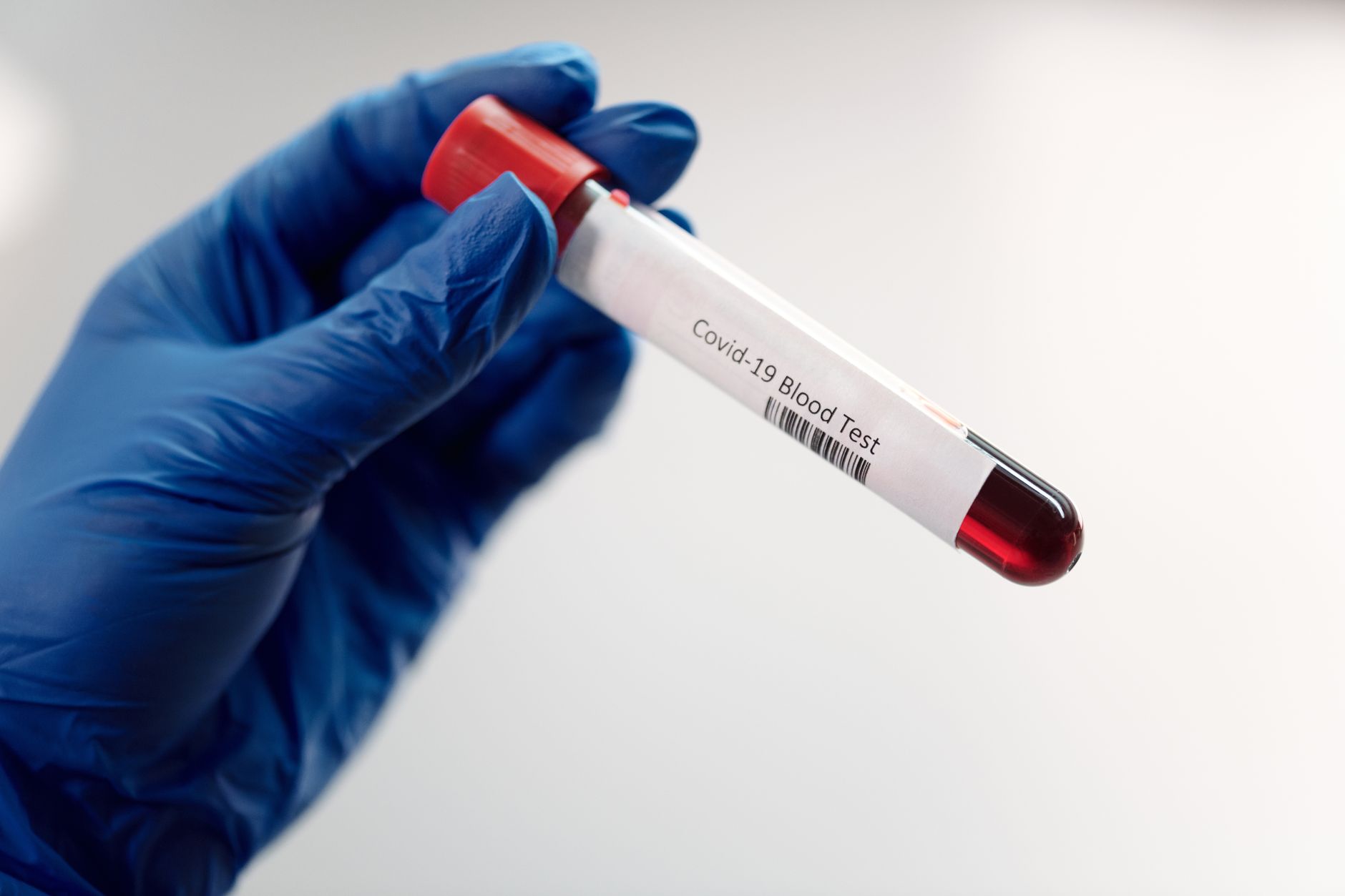
The multi-cancer detection test requires only a standard blood draw, making it far less invasive than traditional biopsy procedures. Once the sample reaches the laboratory, sophisticated genomic sequencing technology analyzes the cell-free DNA present in the blood plasma.
The analysis looks for specific cancer signals, including genetic mutations and epigenetic modifications characteristic of malignant cells. Machine learning algorithms then interpret these signals to determine whether cancer is likely present and identify the probable tissue of origin.
Results typically become available within a specified timeframe, and positive results require follow-up with appropriate imaging and confirmatory testing to locate and definitively diagnose the cancer.
Implications for Indian Healthcare
The availability of multi-cancer detection tests in India could significantly impact cancer outcomes if deployed thoughtfully. For high-risk populations, including individuals with family histories of cancer, those with genetic predispositions, or older adults, such tests offer an additional layer of screening beyond traditional methods.
However, several considerations remain important. These tests are meant to complement, not replace, existing recommended screenings for common cancers. Additionally, false positives can occur, potentially leading to anxiety and unnecessary follow-up procedures.
The cost of such advanced tests remains a significant factor in India, where healthcare spending is predominantly out-of-pocket. Making these tests accessible across economic strata will require careful pricing strategies and potentially insurance coverage integration.
The Future of Cancer Screening
As multi-cancer detection technology becomes more refined and accessible, it may reshape cancer screening protocols globally. For a country like India with vast geographic diversity and varying levels of healthcare access, blood-based tests offer particular promise for reaching underserved populations.
The partnership between established diagnostic chains like Dr Dangs Lab and innovative biotechnology companies signals growing confidence in these technologies and their potential to save lives through earlier detection. As validation studies continue and real-world evidence accumulates, such tests may become standard components of preventive health check-ups.
This article is for general informational purposes only and should not be considered medical advice. Individuals should consult with qualified healthcare professionals regarding appropriate cancer screening based on their personal risk factors, medical history, and current health guidelines.