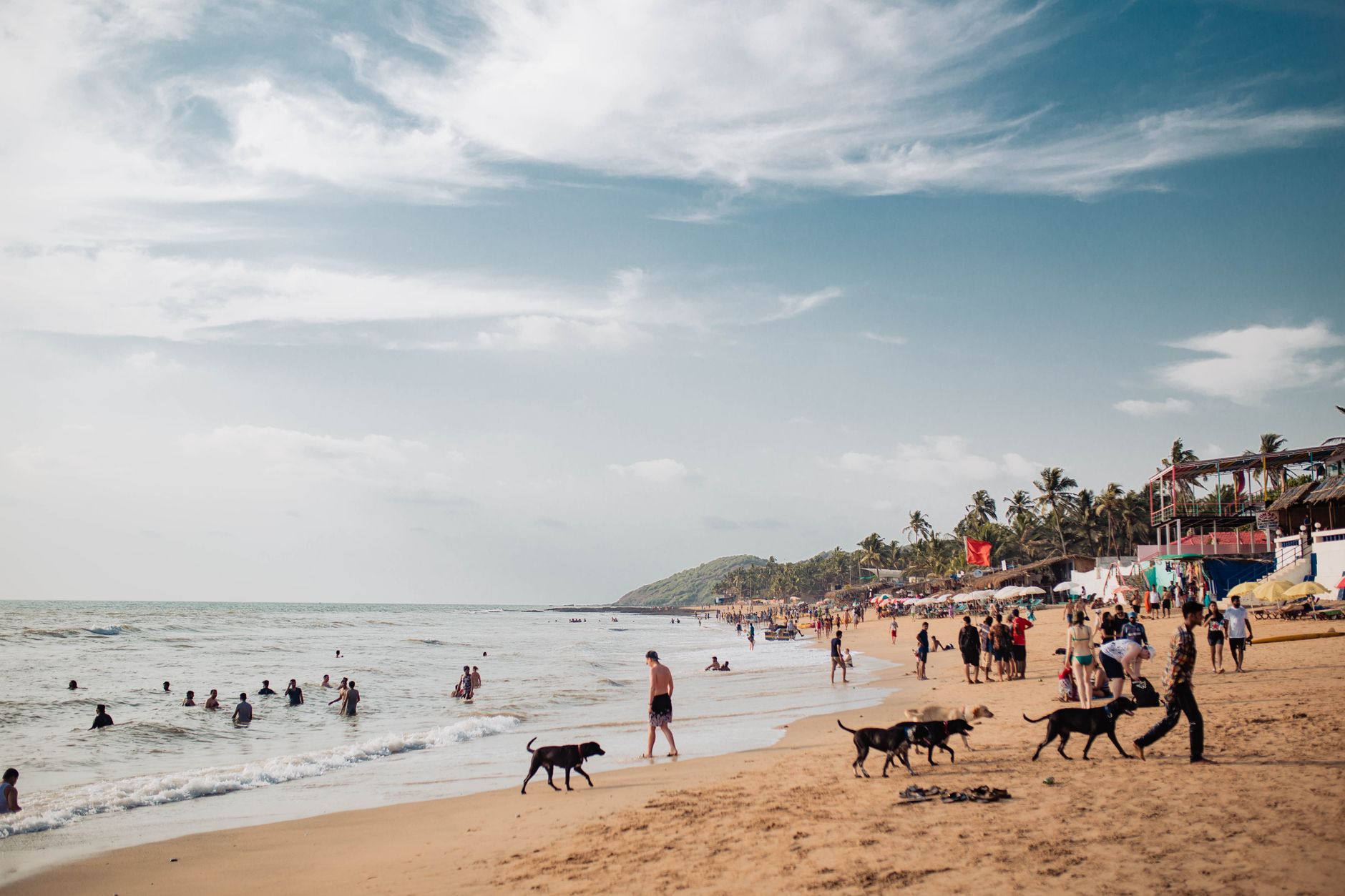
Goa Tourism's strategic presentation at the Travel & Tourism Fair (TTF) Kolkata 2026 marks a significant shift in how India's smallest state is positioning itself in the competitive domestic tourism market. Moving beyond its established reputation as a beach and nightlife destination, Goa is now actively courting travelers from eastern India with diverse experiences ranging from monsoon tourism to heritage exploration and wellness retreats.
Why Eastern India Matters for Goa Tourism
Eastern India, particularly West Bengal, represents a substantial untapped market for Goa's tourism industry. With Kolkata serving as the commercial and cultural hub of the region, the city's affluent middle class and growing number of leisure travelers present significant opportunities. Historically, eastern Indian tourists have favored hill stations like Darjeeling or religious destinations, but changing preferences and improved connectivity are creating new travel patterns.
The TTF Kolkata platform provides direct access to travel agents, tour operators and potential travelers who influence booking decisions across West Bengal, Odisha, Jharkhand and the northeastern states. By showcasing lesser-known aspects of Goa, tourism authorities aim to position the destination as a year-round choice rather than just a winter getaway.
The Beyond Beaches Campaign
The "Beyond Beaches" initiative represents Goa's effort to diversify its tourism portfolio and distribute visitor footfall more evenly throughout the year. This strategy addresses two critical challenges: seasonal concentration of tourists during peak winter months and the environmental pressure on coastal areas.
Monsoon Tourism Takes Center Stage
Goa's monsoon season, typically from June to September, has traditionally been considered off-season. However, the state is now rebranding this period as an ideal time for a different kind of experience. The lush green landscapes, rejuvenated waterfalls like Dudhsagar, and the dramatic beauty of rain-soaked laterite hills offer compelling alternatives to crowded summer destinations.
Monsoon packages often include:
- Waterfall trekking and nature walks through spice plantations
- River cruises along the Mandovi and Zuari rivers
- Discounted rates at premium resorts and hotels
- Quieter beaches perfect for contemplative walks
- Authentic Goan culinary experiences in traditional restaurants
Heritage and Cultural Experiences
Goa's 450 years of Portuguese colonial history has left an indelible cultural imprint that extends far beyond beach shacks and water sports. The state's UNESCO World Heritage Sites, baroque churches, and Indo-Portuguese architecture offer rich cultural experiences.
Key heritage attractions being promoted include the Basilica of Bom Jesus, Se Cathedral in Old Goa, Latin Quarter of Fontainhas in Panjim, and restored Portuguese mansions that now function as heritage hotels. The Goan Catholic community's festivals, traditional music forms like Mando and Dulpod, and the blend of Konkani and Portuguese influences create a unique cultural landscape.
Wellness and Luxury Positioning
Wellness tourism has emerged as a high-value segment, and Goa is leveraging its natural assets to attract wellness-focused travelers. The state offers Ayurvedic treatments, yoga retreats, spa resorts and meditation centers set in tranquil environments away from party circuits.
Luxury experiences being highlighted include:
- Boutique properties and heritage hotels with personalized service
- Private yacht charters and customized coastal experiences
- Farm-to-table dining experiences at organic plantations
- Exclusive wildlife tours in the Bhagwan Mahavir Wildlife Sanctuary
- Golf tourism at championship courses
Connectivity Improvements
The push toward eastern India coincides with improved air and rail connectivity between Kolkata and Goa. Multiple daily flights and improved train services have reduced travel time and increased convenience, making weekend getaways and short breaks more feasible for eastern Indian travelers.
Impact on Local Economy
Diversifying Goa's tourism offerings has broader implications for the local economy. By promoting inland villages, heritage sites and wellness centers, tourism revenues can benefit communities beyond coastal areas. This approach also supports sustainable tourism practices by reducing concentration in ecologically sensitive beach zones.
The participation at TTF Kolkata 2026 reflects a coordinated effort involving government tourism departments, hospitality stakeholders and travel trade partners to reshape perceptions and capture market share in a region with significant growth potential.
As domestic tourism continues its post-pandemic recovery and Indian travelers increasingly seek diverse experiences, Goa's strategy to position itself as a multi-dimensional destination rather than a single-theme beach retreat could prove instrumental in sustaining long-term growth and ensuring more equitable distribution of tourism benefits across the state.