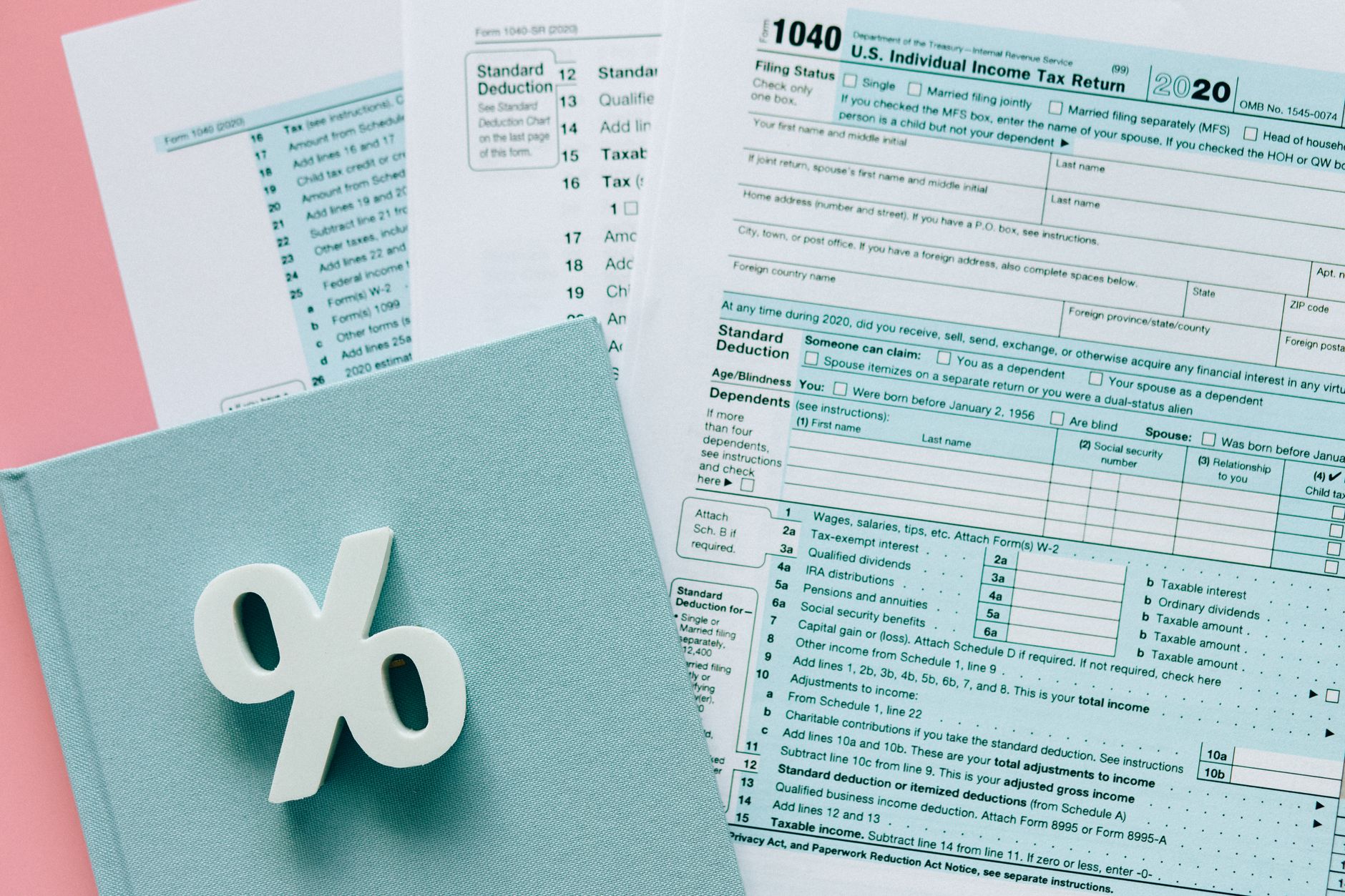
The 2026 income tax return filing season marks a watershed moment for Indian taxpayers as artificial intelligence tools become increasingly prevalent in tax preparation. While AI promises to simplify the complex process of filing Income Tax Returns, it also introduces new risks that could potentially jeopardize your refund or invite scrutiny from tax authorities.
The AI Advantage in Tax Filing
AI-powered tax software has made significant inroads into the Indian market, offering features that were unimaginable just a few years ago. These intelligent systems can automatically extract data from Form 16, bank statements, and investment documents, eliminating hours of manual data entry. Machine learning algorithms analyze your financial profile to identify eligible deductions under various sections of the Income Tax Act, potentially uncovering savings opportunities that many taxpayers overlook.
The technology excels at performing complex calculations, cross-verifying data across multiple sources, and ensuring mathematical accuracy. For salaried individuals with straightforward tax situations, AI tools can complete the entire ITR preparation in minutes, flagging inconsistencies and suggesting optimizations based on the latest tax regulations.
Where AI Can Maximize Your Returns
Smart tax software leverages historical data and current tax laws to recommend legitimate deductions that align with your spending patterns. If you have made charitable donations, paid health insurance premiums, or invested in tax-saving instruments, AI systems can ensure these are properly claimed under sections 80C, 80D, and other relevant provisions.
- Automated reconciliation between Form 26AS and your actual income sources
- Intelligent categorization of capital gains from equity and mutual fund transactions
- Suggestions for optimal tax regime selection between old and new systems
- Real-time validation against Income Tax Department databases
- Predictive alerts about potential tax liabilities before submission
Advanced AI platforms also maintain updated knowledge of recent amendments, budget changes, and clarifications from the Central Board of Direct Taxes, ensuring your return reflects the most current regulations applicable for Assessment Year 2026-27.
The Hidden Dangers of Over-Reliance on AI
Despite these advantages, blind trust in AI-generated tax returns can prove catastrophic. Artificial intelligence systems are only as reliable as their programming and the data they receive. Garbage in, garbage out remains a fundamental principle. If you input incorrect information or if the AI misinterprets your financial situation, the resulting ITR could contain serious errors.
Tax laws contain numerous nuances, exceptions, and contextual considerations that current AI systems may not fully grasp. For instance, determining residential status, claiming foreign tax credits, or properly reporting income from multiple sources requires judgment that goes beyond algorithmic processing. AI might misclassify income types or incorrectly apply deduction limits, leading to either underpayment or overclaiming of benefits.
The Income Tax Department's own systems are becoming increasingly sophisticated at detecting anomalies. An AI-generated return that contains logical inconsistencies, unusual deduction patterns, or mismatched data against third-party information could trigger automated scrutiny or even notices demanding explanation.
Best Practices for AI-Assisted Filing
To harness AI benefits while avoiding pitfalls, taxpayers should adopt a hybrid approach. Use AI tools for their computational power and data organization capabilities, but maintain human oversight at every stage. Carefully review all auto-populated fields, especially those pulled from automated sources. Verify that income from all sources has been correctly reported and classified.
For complex situations involving business income, foreign assets, capital gains from property transactions, or income from multiple employers, consider consulting a qualified chartered accountant even if you use AI software. The CA can review the AI-generated draft and catch errors that automated systems might miss.
Never upload sensitive documents to unverified AI platforms or cloud-based services without understanding their data security protocols. Ensure any AI tool you use complies with Indian data protection standards and encrypts your financial information.
The Future of Tax Compliance
As we progress through 2026, the intersection of artificial intelligence and tax filing will only deepen. The Income Tax Department itself is deploying AI for processing returns and detecting non-compliance. Taxpayers who understand both the capabilities and limitations of these tools will be best positioned to file accurate returns efficiently.
This article provides general information about AI-assisted income tax filing and should not be construed as professional tax advice. Tax situations vary significantly based on individual circumstances. Readers are advised to consult qualified chartered accountants or tax professionals for guidance specific to their financial situation before filing returns.