The global tourism industry is undergoing a fundamental transformation as travelers increasingly seek meaningful connections and authentic experiences rather than simply ticking off landmarks from a list. This shift toward experiential travel represents one of the most significant changes in how people explore the world, and it carries particular promise for destinations rich in cultural heritage and diversity.
What Is Experiential Travel
Experiential travel moves beyond traditional tourism's focus on hotels, monuments, and guided bus tours. Instead, it emphasizes authentic engagement with local cultures, communities, and traditions. Travelers participating in experiential tourism might learn traditional cooking techniques from local families, practice ancient crafts with artisans, participate in religious or cultural ceremonies, or stay in homestays rather than international hotel chains.
This approach prioritizes quality over quantity, depth over breadth. Rather than visiting ten cities in two weeks, experiential travelers might spend that same time in one or two locations, developing genuine connections with local people and gaining deeper understanding of how communities actually live, work, and celebrate.
Why This Shift Is Happening Now
Several factors have converged to drive demand for experiential travel. Millennials and Generation Z travelers, who now represent the largest demographic in tourism, consistently report valuing experiences over material possessions. They seek Instagram-worthy moments, certainly, but also stories they can tell and personal growth they can demonstrate.
The COVID-19 pandemic accelerated this trend significantly. Lockdowns and travel restrictions made people reassess what they truly value in travel. When borders reopened, many travelers sought more meaningful journeys rather than returning to crowded tourist hotspots. The pandemic also increased appreciation for supporting local communities directly rather than channeling money through large international corporations.
Additionally, increased access to information through social media and travel blogs has made travelers more sophisticated and curious. They see beyond marketing brochures and want to understand destinations as locals experience them.
India's Competitive Advantages
India stands exceptionally well-positioned to benefit from the experiential travel revolution for several compelling reasons.
The country's cultural diversity is unmatched. With 28 states and 8 union territories, each with distinct languages, cuisines, festivals, art forms, and traditions, India offers virtually unlimited opportunities for authentic cultural immersion. A traveler could visit India dozens of times and still encounter entirely new experiences.
India's living traditions provide experiential opportunities that many other destinations cannot match. Unlike places where traditional crafts exist mainly in museums, India maintains vibrant communities of weavers, potters, metalworkers, and other artisans who continue practicing centuries-old techniques. Travelers can learn directly from these masters and understand crafts in their original context.
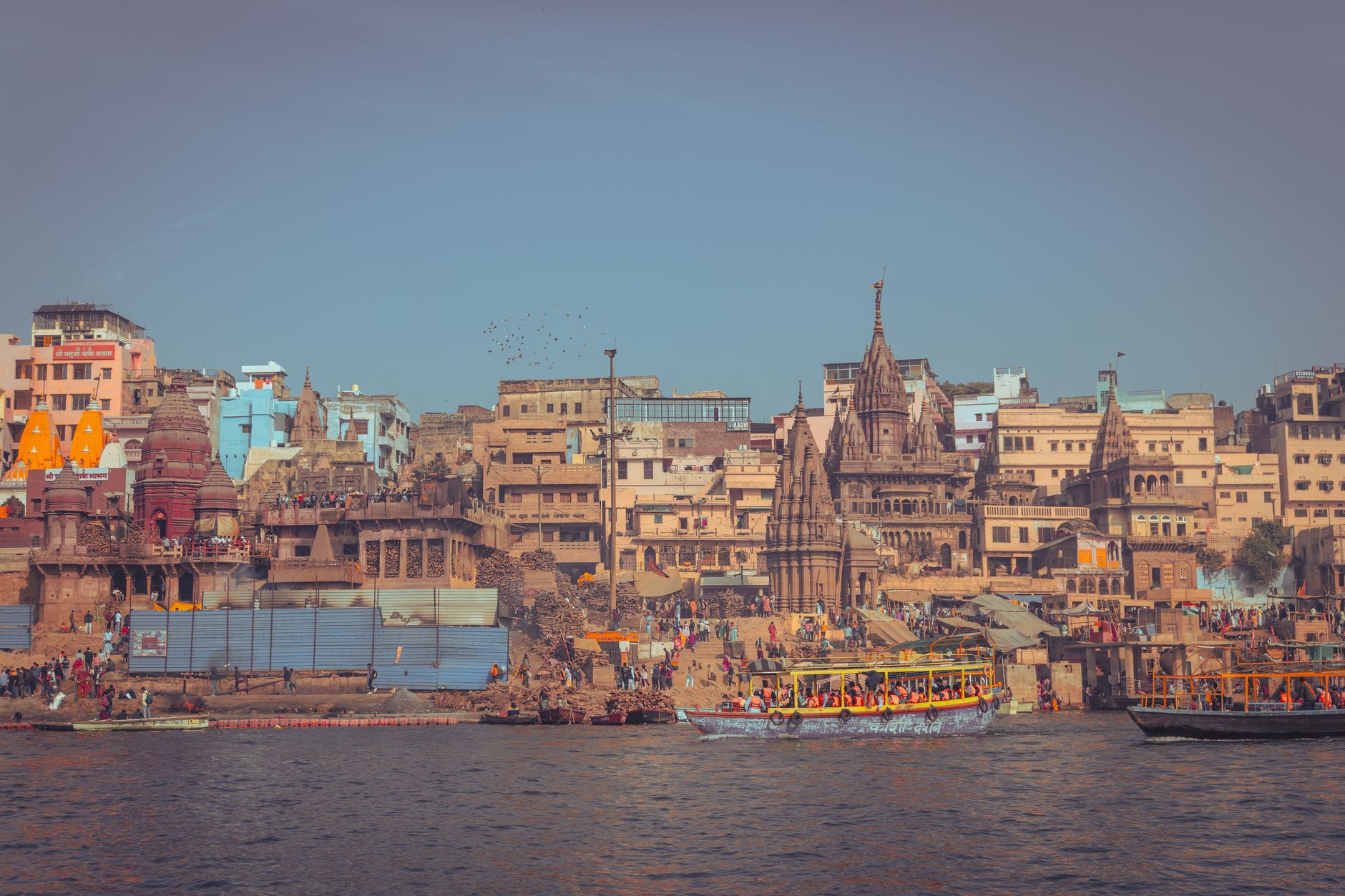
The country's spiritual heritage attracts millions seeking experiences beyond conventional tourism. From yoga and meditation retreats in Rishikesh to Buddhist teachings in Dharamshala, from temple ceremonies in Varanasi to Sufi music in Ajmer, India offers profound spiritual experiences rooted in authentic practice rather than commercial packaging.
India's culinary diversity represents another major draw. Regional cuisines vary dramatically, and cooking classes, food walks, and farm-to-table experiences allow travelers to understand Indian food culture beyond restaurant dining. Learning to prepare regional dishes with local families provides both skills and cultural insights.
Rural tourism initiatives and homestay networks enable travelers to experience Indian village life firsthand, participating in agricultural activities, traditional festivals, and daily routines that remain largely unchanged despite modernization elsewhere.
Challenges and Opportunities
For India to fully capitalize on experiential travel demand, certain infrastructure and service improvements remain necessary. Better connectivity to rural and less-visited regions, improved sanitation facilities, and more trained guides who can facilitate authentic cultural exchanges while respecting local communities would all enhance India's competitive position.
Sustainable tourism practices must be prioritized to ensure that increased visitor numbers don't damage the very authenticity and traditions that attract experiential travelers. Communities need support to maintain control over tourism development in their areas and receive fair economic benefits.
Digital marketing highlighting India's experiential offerings rather than just monuments and beaches could attract the right traveler segment. Partnerships between tourism authorities, local communities, and responsible tour operators can create experiential packages that benefit all stakeholders.
The experiential travel trend represents a historic opportunity for India to move beyond competing on price and position itself as a premium destination for travelers seeking transformation, education, and authentic connection. With thoughtful development, India's extraordinary cultural wealth can become its most valuable tourism asset in this new era of travel.