The world of international travel has always been subject to external shocks, but the current landscape of global conflicts is creating unprecedented challenges for Indian tourists planning their summer getaways. From the ongoing war in Eastern Europe to tensions in the Middle East, geopolitical instability is fundamentally altering where, when, and how Indians choose to vacation.
The Shifting Map of Safe Destinations
Traditional European favorites like parts of Eastern Europe, which had been gaining popularity among Indian tourists for their affordability and cultural richness, are now off-limits or considered high-risk. Travel advisories from the Indian government and international bodies have created a constantly evolving list of no-go zones, forcing travelers to reconsider itineraries months in the planning.
Countries neighboring conflict zones are experiencing secondary effects too. Even nations not directly involved in warfare are seeing tourism numbers fluctuate based on their proximity to unstable regions. This domino effect means that destinations once considered perfectly safe are now being scrutinized more carefully by cautious travelers.
Rising Costs and Route Disruptions
Global conflicts don't just affect safety considerations—they have tangible economic impacts on travel. Airlines have been forced to reroute flights to avoid restricted airspace, significantly increasing travel times and fuel costs. These operational changes translate directly into higher ticket prices for consumers.
The price of aviation fuel has seen volatility linked to geopolitical tensions, adding another layer of expense. What might have been an affordable summer trip to Europe or Central Asia last year now requires substantially deeper pockets, pushing many Indian families to reconsider their budgets or choose alternative destinations entirely.
The Rise of Domestic and Regional Tourism
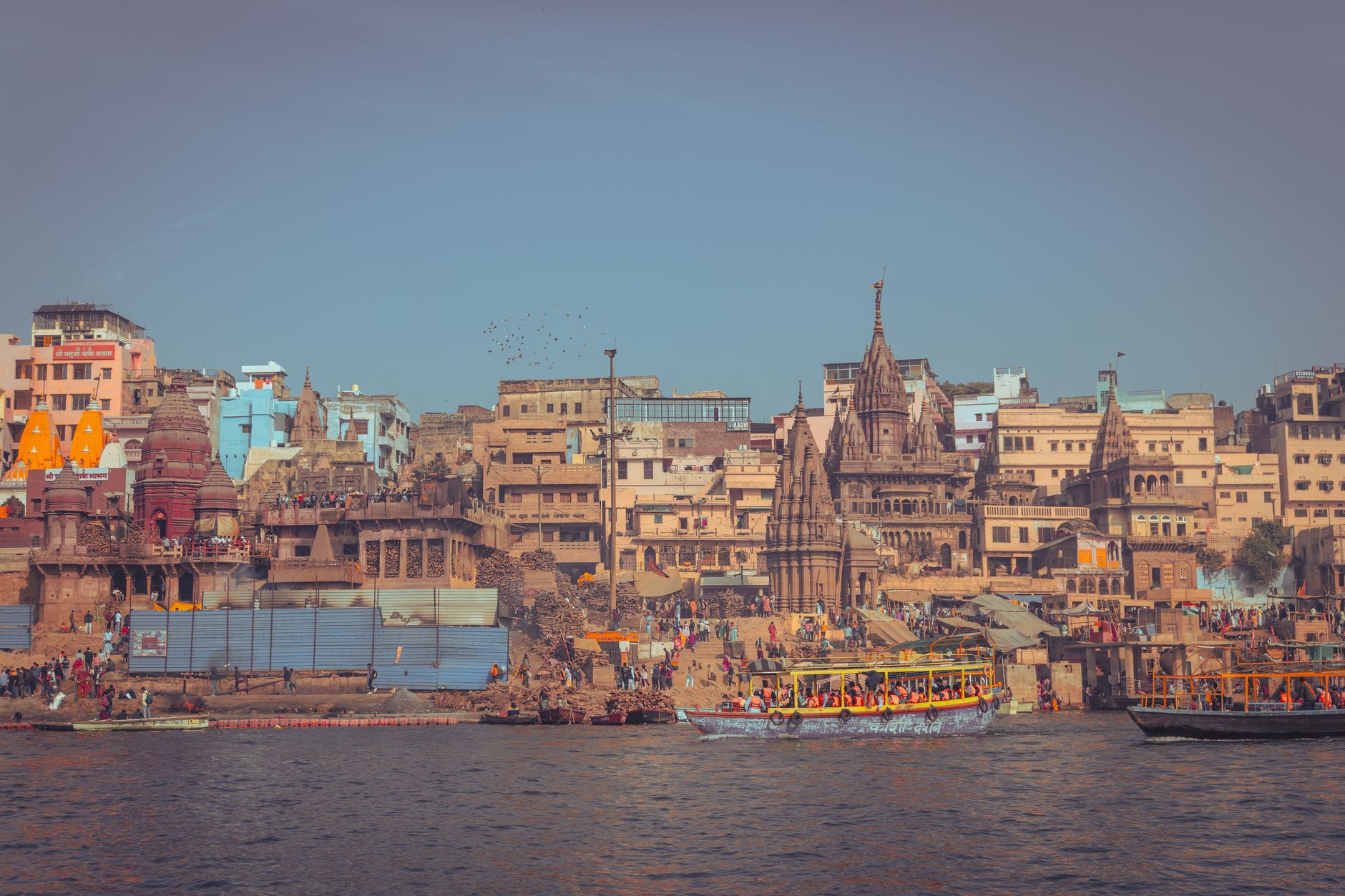
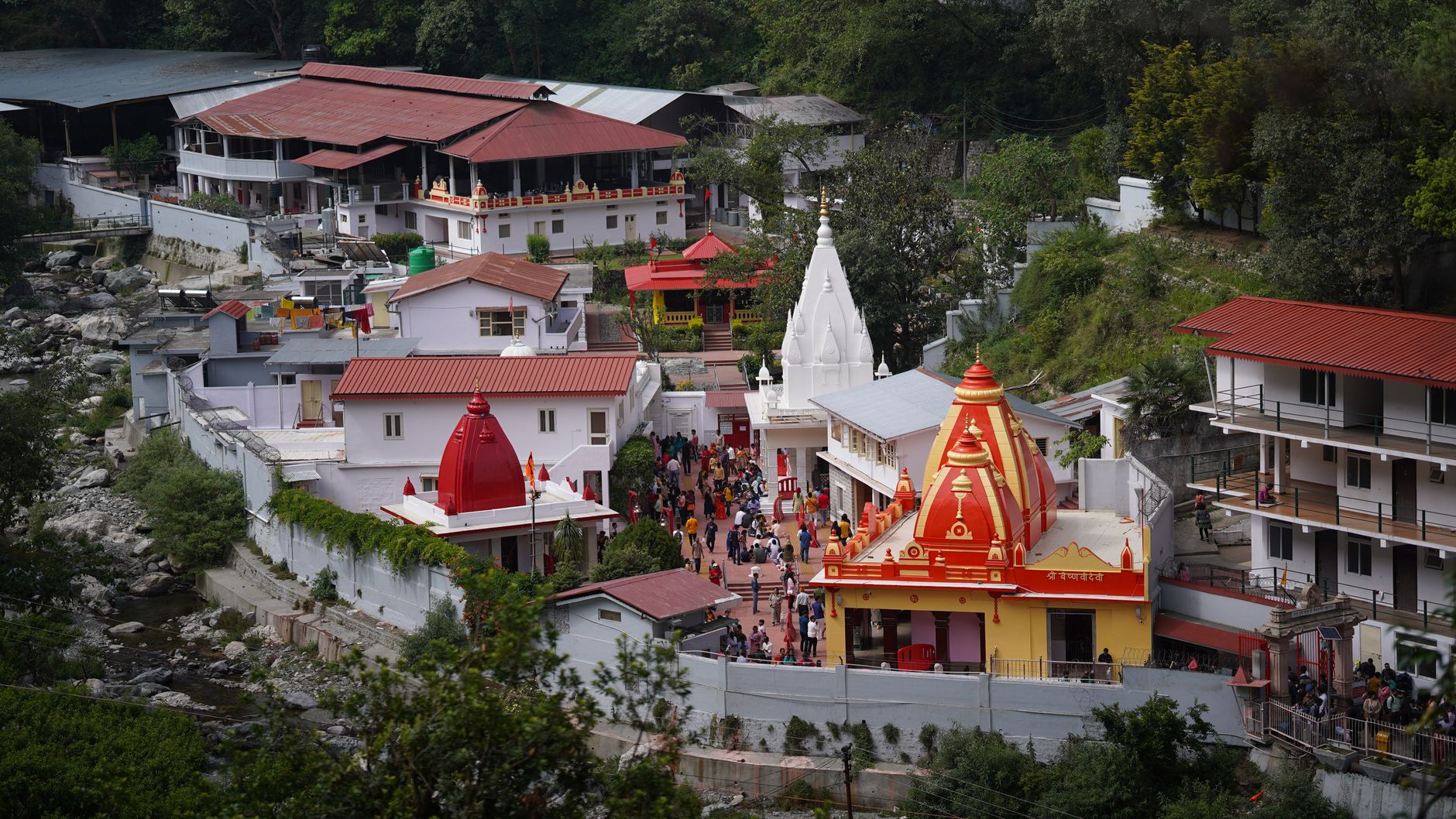
As international travel becomes more complicated and expensive, Indian tourism stakeholders are witnessing a surge in domestic travel. Hill stations in Himachal Pradesh and Uttarakhand, beach destinations in Kerala and Goa, and cultural hubs like Rajasthan are experiencing unprecedented booking numbers.
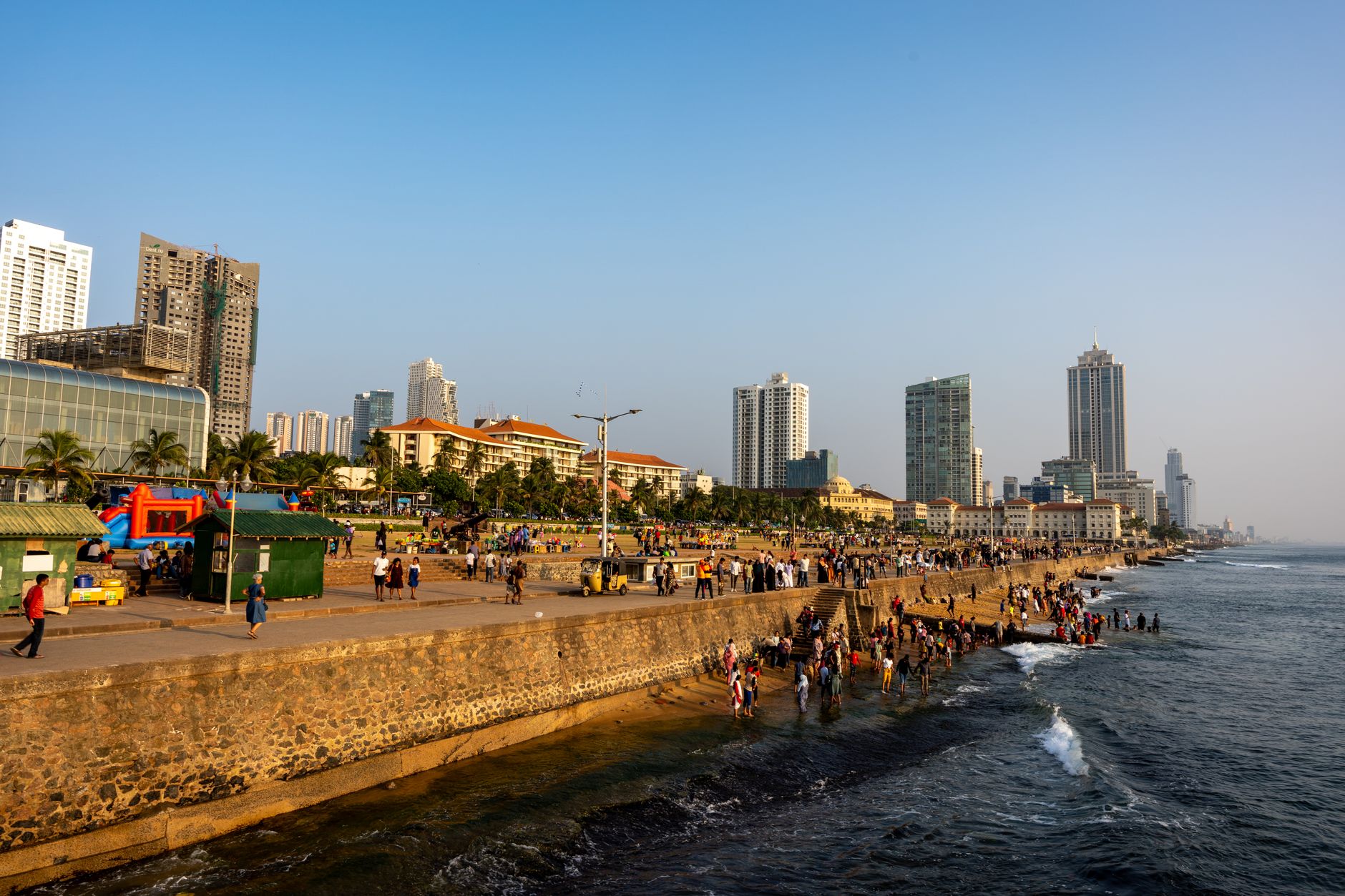
Southeast Asian destinations are emerging as clear winners in this reshuffling. Countries like Thailand, Vietnam, Singapore, and Indonesia offer relative stability, reasonable prices, and shorter flight times. The appeal of staying within Asia—where Indians can reach destinations in just a few hours—has never been stronger.
Travel Insurance and Safety Concerns
The uncertain global environment has made travel insurance non-negotiable rather than optional. Insurance companies have responded by updating their policies, often with specific exclusions for conflict zones or significantly higher premiums for regions considered even moderately risky.
Indian travelers are now more diligent about researching safety protocols, embassy locations, and evacuation procedures before booking trips. Social media and travel forums have become essential resources for real-time updates from fellow travelers on the ground, supplementing official advisories.
The Psychological Impact on Travel Planning
Beyond logistics and costs, there's a psychological dimension to how conflicts affect travel behavior. Many Indian families, particularly those traveling with children or elderly relatives, are simply choosing to postpone international trips until the global situation stabilizes. The anxiety of being stranded abroad or caught in an unexpected escalation outweighs the excitement of exploration.
Younger travelers and solo adventurers show more flexibility, but even they are building contingency plans into their itineraries—keeping extra cash, maintaining flexible booking options, and staying closer to major cities with international airports.
Looking Ahead: Adaptation and Resilience
The travel industry in India is adapting to these new realities. Tour operators are creating packages focused on safer corridors, offering flexible cancellation policies, and providing comprehensive safety briefings. Travel agents report spending considerably more time discussing geopolitical situations with clients than in previous years.
Technology is playing a role too, with apps providing real-time safety alerts and digital communities sharing on-ground experiences. Virtual travel experiences and "revenge travel" to domestic destinations are trends born partly from this constrained international environment.
The current situation serves as a reminder that travel in the 21st century requires more awareness and flexibility than ever before. While wanderlust remains strong among Indian travelers, the practical realities of a conflict-affected world mean that dream destinations must now pass additional tests of safety and accessibility before making it onto the final itinerary.