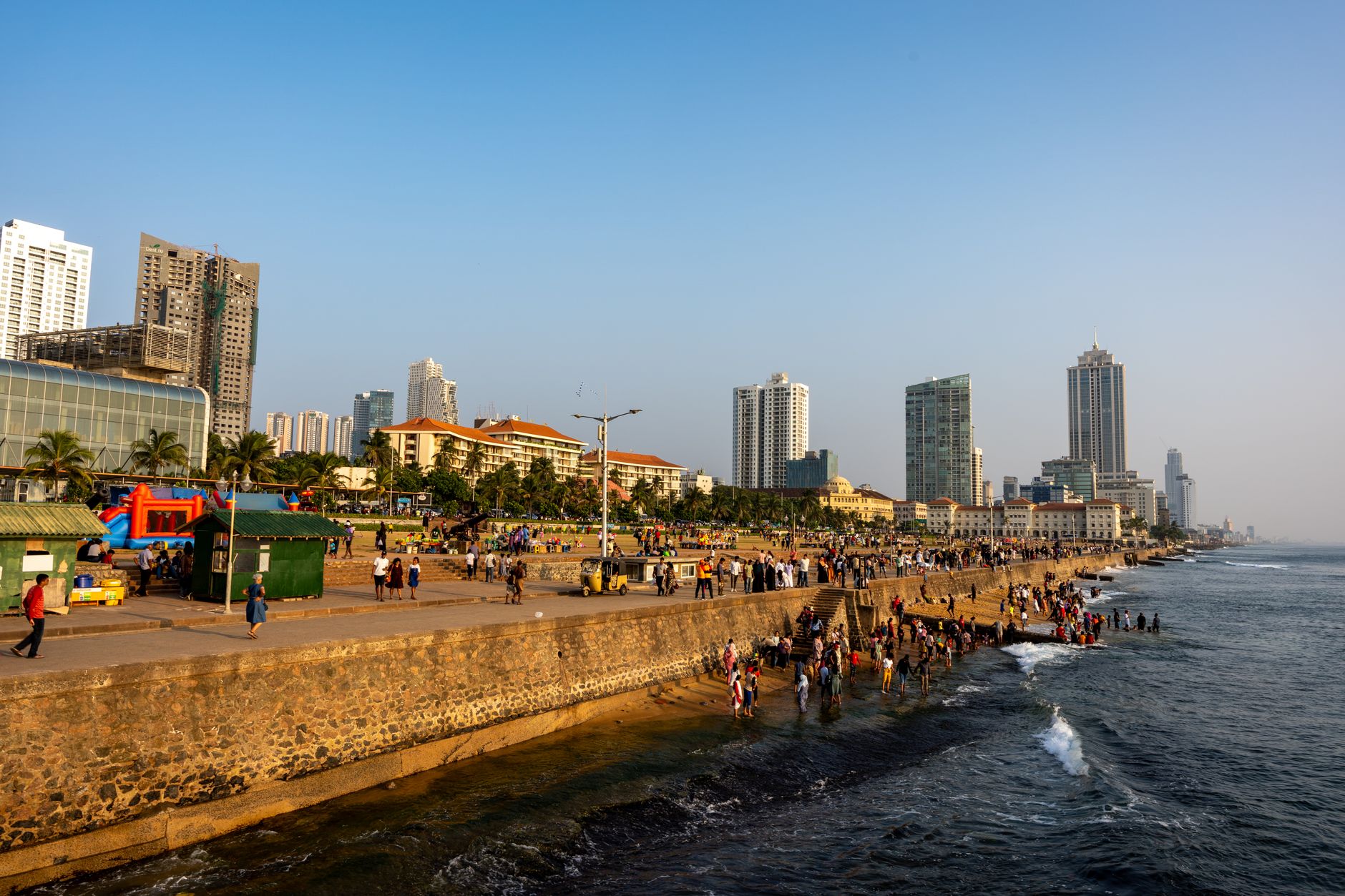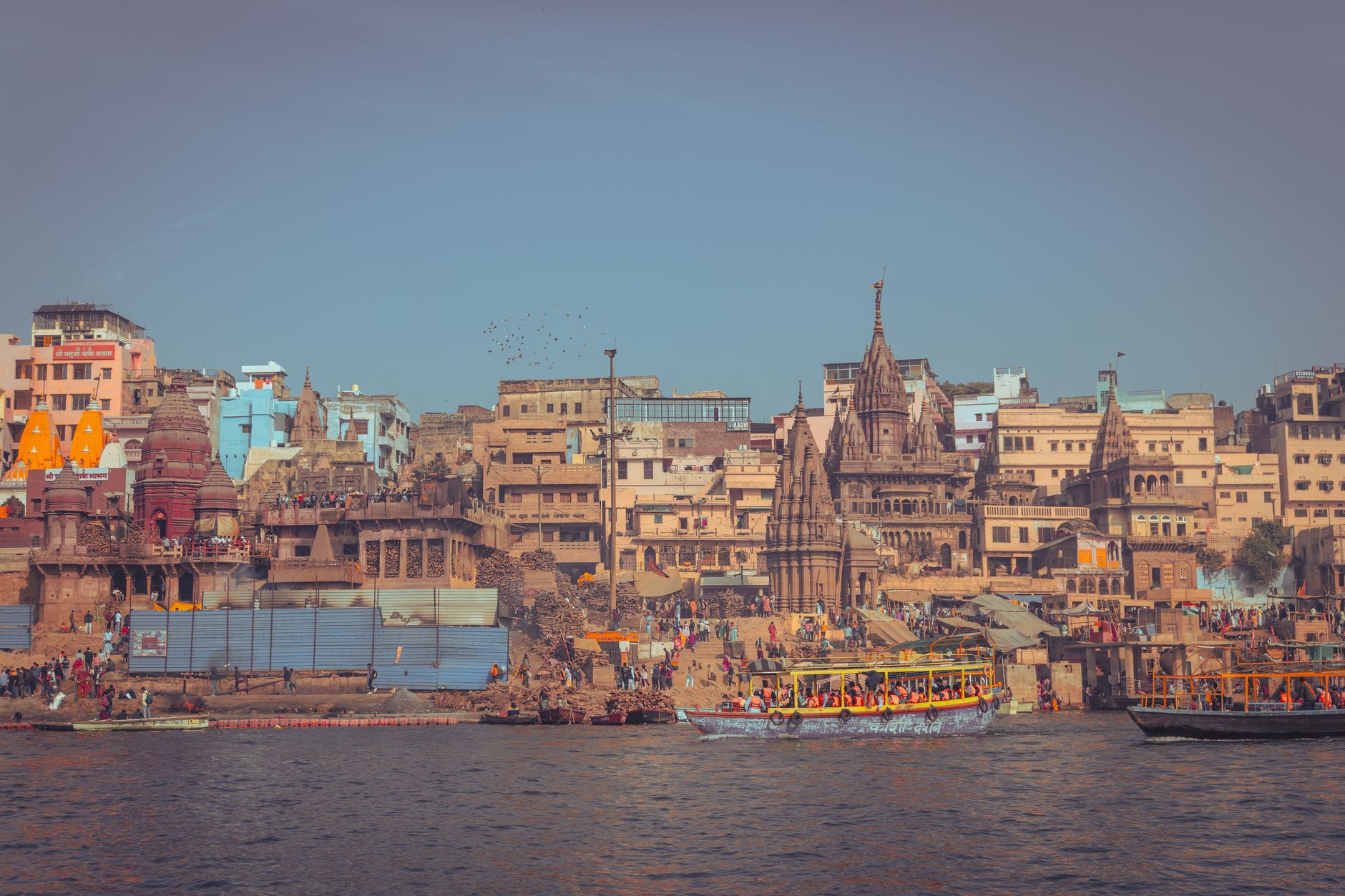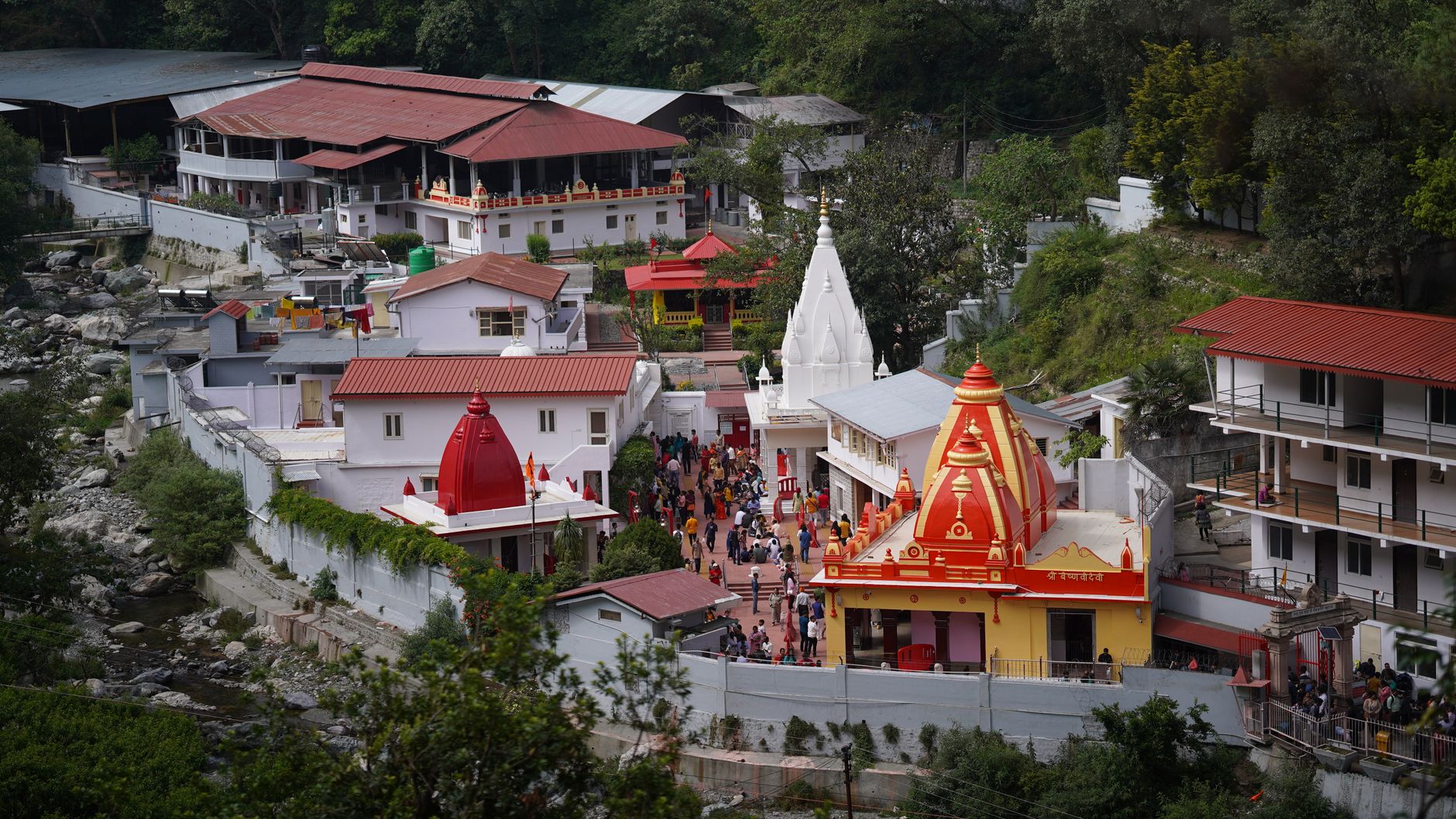
India's tourism sector is experiencing a remarkable transformation, powered by unprecedented investments in infrastructure development. From remote Himalayan villages to coastal towns in the south, improved connectivity and modern facilities are making destinations more accessible than ever before, creating ripple effects throughout the economy.
The Infrastructure Revolution Reshaping Travel
The Indian government's focus on building world-class infrastructure has become a game-changer for tourism. New expressways are cutting travel times between major cities by half, while regional airports are bringing air connectivity to previously isolated areas. The expansion includes everything from modernized railway stations to upgraded ports for cruise tourism, creating an integrated transport network that serves both domestic and international travelers.
The Bharatmala Pariyojana, one of the world's largest highway projects, is connecting tourist circuits across states. Meanwhile, UDAN regional connectivity scheme has made air travel affordable and accessible to tier-2 and tier-3 cities, opening up destinations that were once considered too difficult to reach for the average traveler.
Economic Multiplier Effects
Tourism infrastructure development creates jobs far beyond the travel industry itself. Construction workers, hotel staff, tour guides, transport operators, artisans, and small business owners all benefit from increased tourist footfall. For every rupee invested in tourism infrastructure, there's a multiplier effect across local economies.
Rural areas are particularly benefiting from this boom. Village homestays, local handicraft businesses, and agricultural tourism initiatives are providing alternative income sources for communities that previously depended solely on farming. This diversification strengthens rural economies and helps stem migration to overcrowded cities.
Unlocking Hidden Destinations
Better infrastructure is putting lesser-known Indian destinations on the tourism map. Places like Arunachal Pradesh, Ladakh, and the Andaman and Nicobar Islands are now receiving visitors in numbers previously unimaginable. These destinations offer unique experiences that rival India's established tourist hotspots, from pristine beaches to mountain monasteries and tribal cultures.
The Northeast region of India, long considered challenging to access, is witnessing a tourism renaissance. New roads, bridges, and air routes are revealing the region's spectacular natural beauty and cultural diversity to travelers who previously found it too remote or difficult to visit.
Hospitality Infrastructure Expansion
The accommodation sector is keeping pace with transport improvements. International hotel chains are establishing properties in emerging destinations, while domestic brands are expanding rapidly. Budget hotels, boutique properties, and luxury resorts are all part of the mix, ensuring options for travelers across all price points.
Heritage properties are being restored and converted into hotels, preserving India's architectural legacy while creating unique accommodation experiences. Meanwhile, standardized facilities and service quality improvements are addressing previous pain points that deterred some international visitors.
Technology and Smart Tourism
Digital infrastructure is complementing physical development. WiFi connectivity at tourist sites, digital payment systems, and online booking platforms are making travel planning easier. Smart city initiatives in popular tourist destinations are introducing features like wayfinding systems, digital information kiosks, and improved public services.
Mobile apps now provide real-time information about attractions, transport schedules, and local services, helping visitors navigate unfamiliar places with confidence. This technological layer enhances the overall travel experience and encourages longer stays.
Challenges and Sustainable Growth
Despite progress, challenges remain. Infrastructure development must balance growth with environmental protection, particularly in ecologically sensitive areas. Popular destinations face pressure from overtourism, requiring careful management to preserve the very attractions that draw visitors.
Water availability, waste management, and energy supply need to scale alongside tourist infrastructure. Sustainable building practices and renewable energy adoption are becoming priorities for new tourism projects, recognizing that environmental degradation could undermine long-term tourism potential.
Future Outlook
The trajectory suggests continued growth in India's tourism sector, with infrastructure development as the primary enabler. Government initiatives aim to double tourist arrivals and significantly increase tourism's contribution to GDP over the coming decade.
Regional tourism circuits, adventure sports facilities, wellness tourism infrastructure, and MICE facilities are areas seeing particular investment focus. These developments promise to diversify India's tourism offerings beyond traditional sightseeing, attracting different traveler segments and extending average trip durations.
As infrastructure continues improving, India is positioning itself not just as a budget destination but as a comprehensive travel experience offering world-class facilities alongside its inherent cultural and natural wealth. The combination could reshape India's position in global tourism rankings and deliver substantial economic benefits across the country.