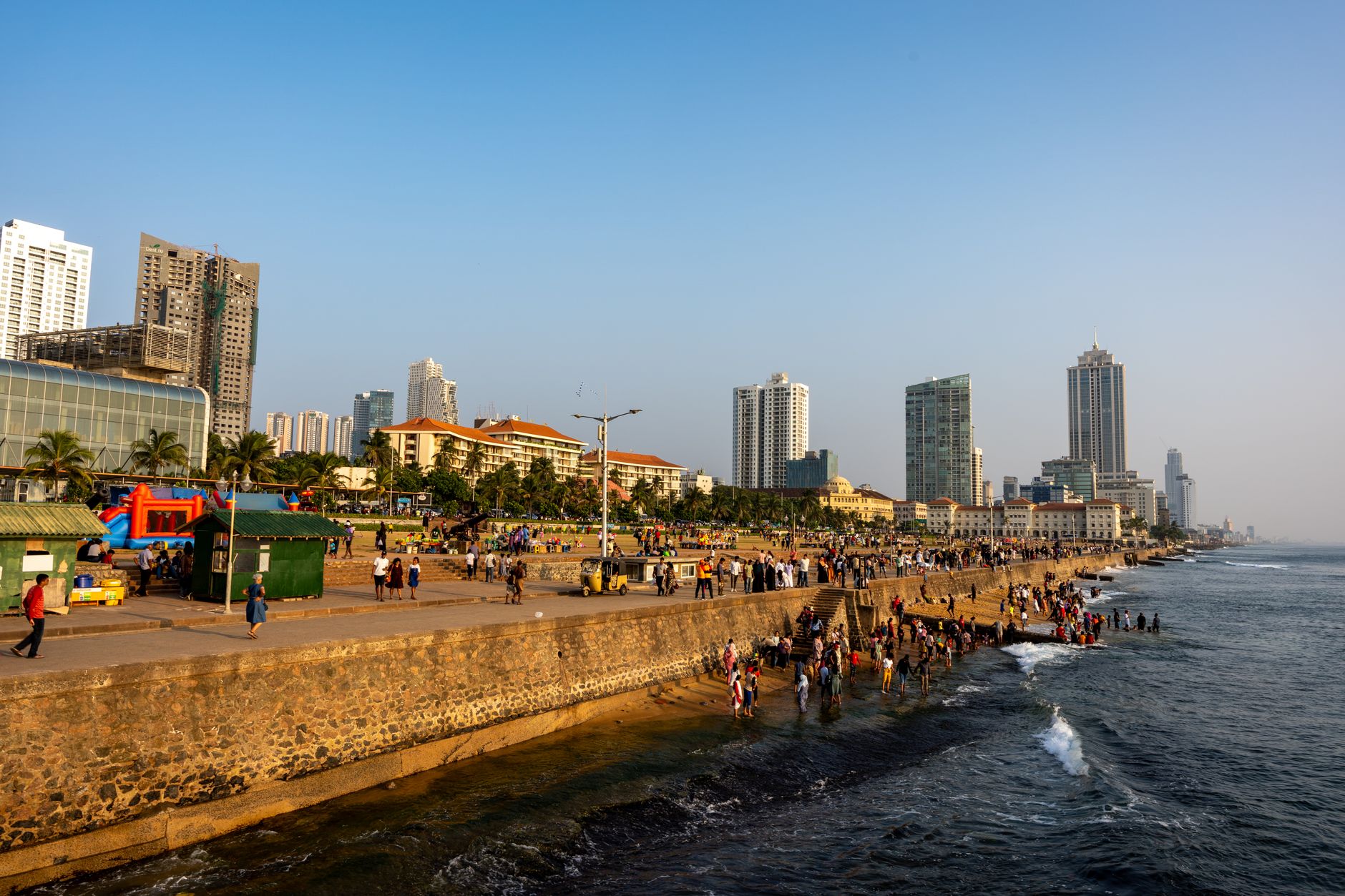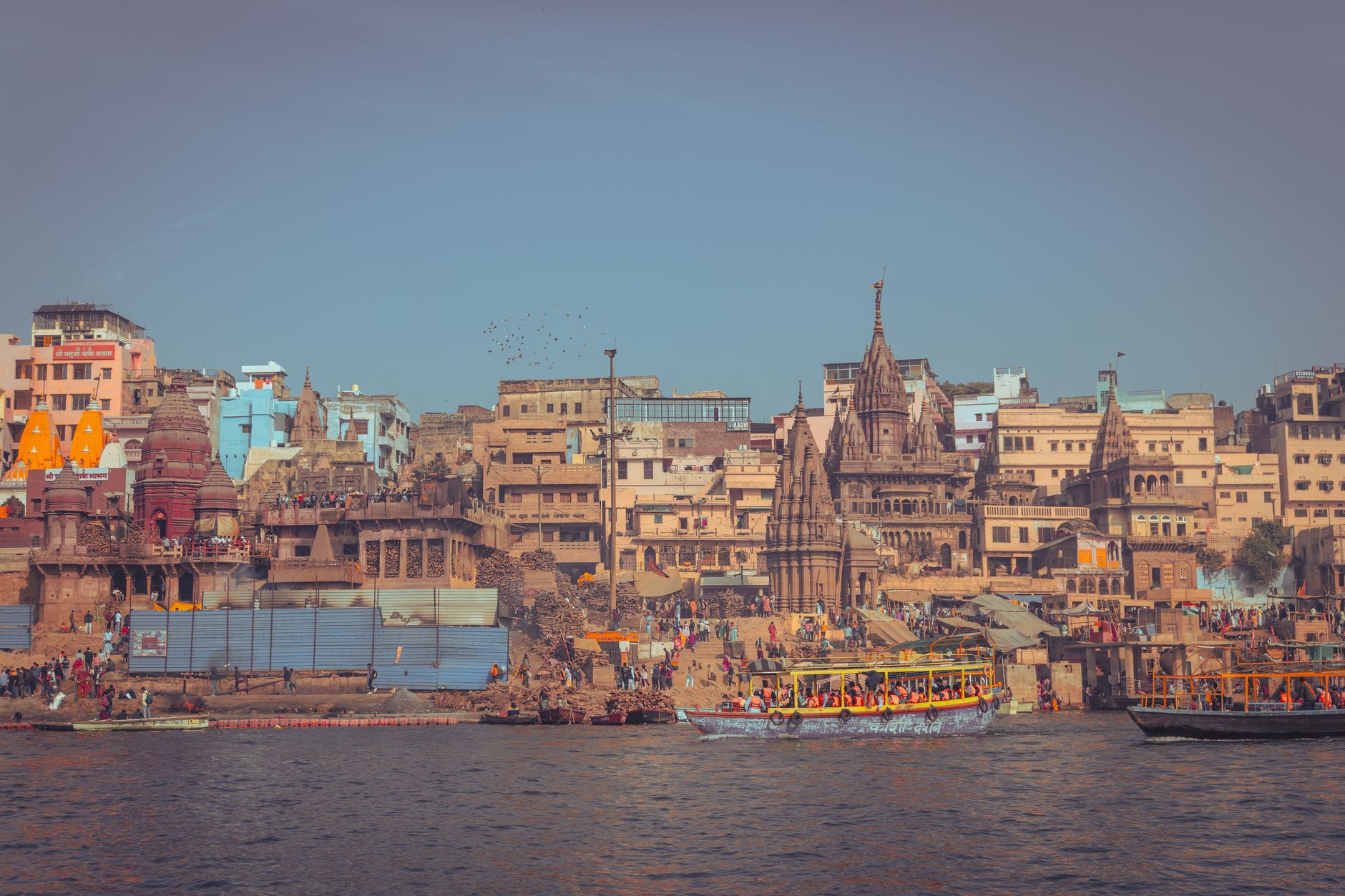
India stands at a crucial juncture where its tourism industry could become a transformative force for economic growth and global recognition. With its rich cultural heritage, diverse landscapes, and emerging infrastructure, the country has all the ingredients necessary to become a top global tourism destination.
The Current State of Indian Tourism
India's tourism sector has traditionally been an underperformer relative to its potential. While the country attracted approximately 10 million foreign tourists in 2019, competitors like Thailand and Malaysia welcomed significantly more visitors despite having fewer attractions. The domestic tourism market, however, tells a different story, with hundreds of millions of Indians traveling within the country annually.
The COVID-19 pandemic severely impacted the sector, but recovery has been strong. Domestic tourism bounced back faster than international arrivals, demonstrating the resilience of India's travel appetite. The government's focus on infrastructure development and destination promotion has begun yielding results, with visa processes becoming more streamlined and new tourist circuits being developed.
Economic Impact and Job Creation Potential
Tourism is a labor-intensive industry that can generate employment across skill levels. From hospitality workers and tour guides to artisans and transport providers, the sector creates direct and indirect jobs that benefit local communities. Estimates suggest that tourism and related activities could potentially employ 50-80 million people in India if the sector reaches its full potential.
The multiplier effect of tourism spending is significant. When tourists spend money on accommodation, food, transportation, and souvenirs, this revenue circulates through the local economy. Small businesses, handicraft producers, and rural communities particularly benefit from tourism development, making it an inclusive growth driver.
Foreign tourist arrivals bring valuable foreign exchange, helping India's balance of payments. High-value tourism segments like luxury travel, medical tourism, and wellness tourism can generate substantial revenue while requiring relatively fewer visitors compared to mass tourism.
Untapped Potential Across Diverse Offerings
India's tourism potential spans multiple categories that remain underexplored:
- Heritage and cultural tourism centered around UNESCO World Heritage Sites and ancient monuments
- Spiritual and wellness tourism leveraging yoga, Ayurveda, and pilgrimage sites
- Adventure tourism in the Himalayas, Western Ghats, and coastal regions
- Wildlife tourism with tiger reserves and biodiversity hotspots
- Medical tourism offering quality healthcare at competitive prices
- MICE tourism (Meetings, Incentives, Conferences, and Exhibitions) in major cities
Infrastructure and Policy Reforms Needed
Realizing tourism's potential requires addressing several challenges. Infrastructure development remains critical, particularly in tier-2 and tier-3 cities that house important tourist attractions. Better connectivity through roads, railways, and airports can open up new destinations.
Last-mile connectivity to tourist sites needs improvement. Many heritage sites and natural attractions remain difficult to access, deterring potential visitors. Investment in public transportation, signage in multiple languages, and tourist facilities can enhance visitor experience significantly.
Digital infrastructure and online payment systems must be strengthened to cater to tech-savvy travelers. Reliable internet connectivity, cashless payment options, and mobile apps for navigation and information are now essential components of modern tourism.
Safety and cleanliness initiatives are crucial for India's tourism reputation. The Swachh Bharat mission has made progress, but sustained efforts are needed to maintain cleanliness at tourist sites and public spaces. Women's safety, in particular, requires continued attention through better policing and infrastructure.
Sustainable and Responsible Tourism
As India develops its tourism sector, sustainability must be a core principle. Overcrowding at popular destinations like hill stations and heritage sites has caused environmental degradation and diminished visitor experience. Implementing carrying capacity limits, promoting off-season travel, and developing alternative destinations can distribute tourist flows more evenly.
Community-based tourism models can ensure local populations benefit from tourism while preserving cultural authenticity. Homestays, village tourism initiatives, and local guide programs create economic opportunities while offering tourists authentic experiences.
Global Branding and Marketing
India needs a cohesive global tourism brand that highlights its unique offerings. While the "Incredible India" campaign has had success, competing destinations invest heavily in marketing. Digital marketing, influencer partnerships, and participation in international travel fairs can raise India's profile.
Leveraging India's soft power through cultural diplomacy, film tourism, and food tourism can attract diverse visitor segments. The growing global interest in yoga, meditation, and wellness presents a particular opportunity for India to position itself as a leading destination in these niches.
The Road Ahead
Tourism can indeed unlock a new milestone for India by contributing significantly to GDP, creating employment, and showcasing the country's diversity to the world. With coordinated efforts from government, private sector, and local communities, India can transform its tourism potential into reality. The journey requires sustained investment, policy support, and a commitment to quality and sustainability, but the rewards for the economy and society would be substantial.