India's tourism sector stands at a crucial juncture, with significant untapped potential that could transform the nation's economy and create millions of jobs. The World Travel & Tourism Council has identified visa accessibility and connectivity as two major bottlenecks preventing India from reaching its full potential as a global tourism powerhouse.
The Current State of Indian Tourism
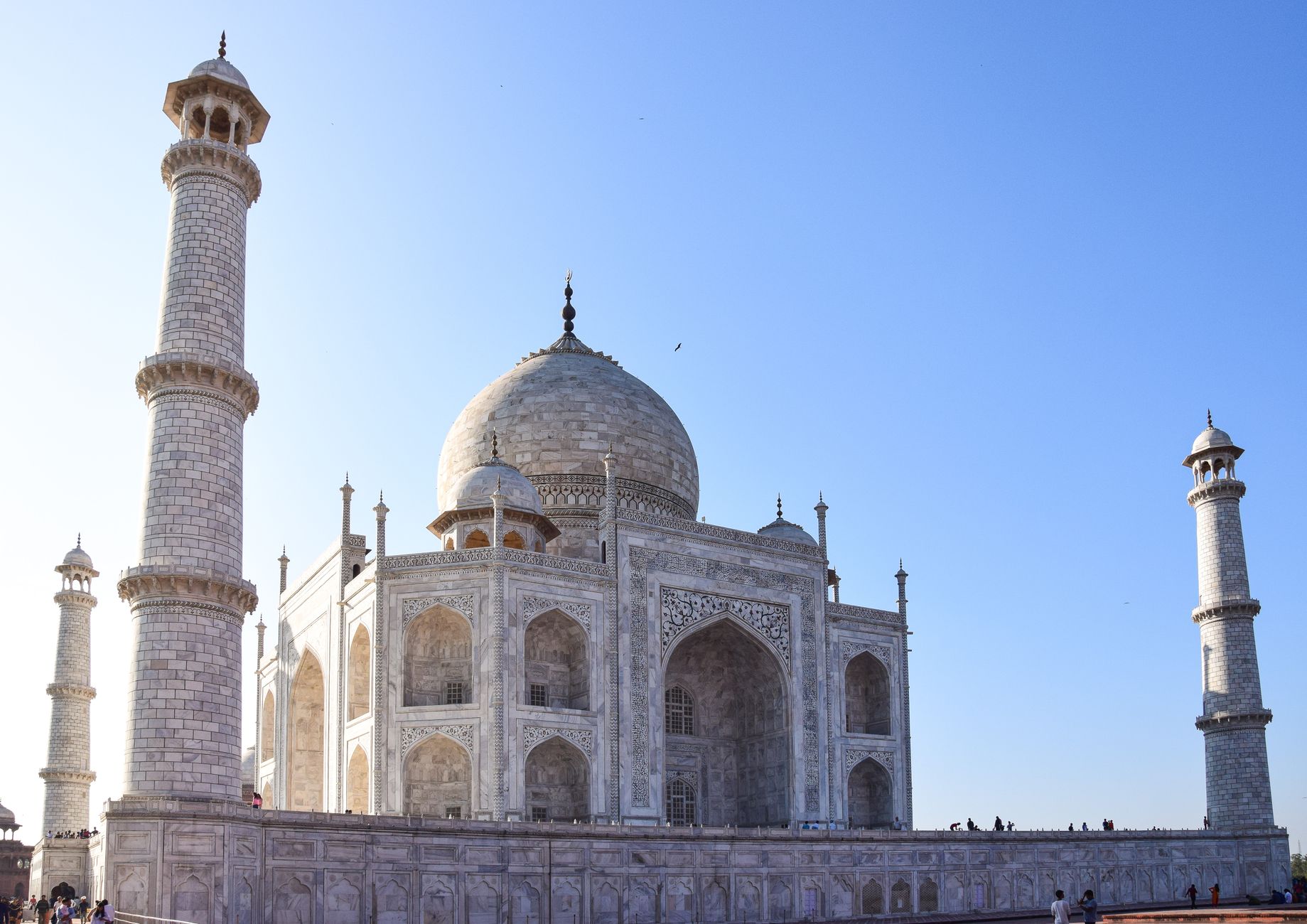
India welcomed approximately 9.2 million international tourists before the pandemic, a figure that represents only a fraction of what countries with similar or lesser attractions manage to draw. Nations like Thailand, which has fewer UNESCO World Heritage Sites than India, regularly attract four times as many visitors. This disparity highlights the systemic challenges that have long hampered India's tourism industry despite the country's rich cultural heritage, diverse landscapes, and historical monuments.
The domestic tourism market in India is robust, with hundreds of millions of Indians traveling within the country annually. However, international arrivals remain disappointingly low compared to India's potential, suggesting that policy and infrastructure barriers rather than lack of appeal are the primary obstacles.
The Visa Challenge
One of the most significant hurdles facing potential tourists to India is the complexity and cost of obtaining a visa. While India introduced the e-visa system in 2014, which was a step in the right direction, the process remains cumbersome compared to many competing destinations in Asia and beyond.
Several issues plague the current visa regime. The fees are relatively high compared to regional competitors, with some tourist visas costing upwards of 80-100 USD depending on nationality and duration. Processing times can be unpredictable, and the documentation requirements often seem excessive for leisure travelers. Countries like Thailand, Vietnam, and Indonesia have moved toward visa-free entry or visa-on-arrival for dozens of nationalities, making them more attractive destinations for spontaneous travelers and those planning short trips.
The e-visa system, while innovative when launched, covers limited entry points and requires applications to be submitted well in advance, which doesn't suit the modern traveler's preference for flexibility. Additionally, certain nationalities face more stringent requirements or are excluded entirely from the e-visa scheme, limiting India's appeal to these markets.
Connectivity Gaps Hold Back Growth
Beyond visa issues, connectivity represents another critical challenge. India's aviation infrastructure, while improved in recent years, still lags behind what's needed to handle substantial tourism growth. Many tier-two and tier-three cities with significant tourist attractions lack adequate air connectivity, both domestically and internationally.
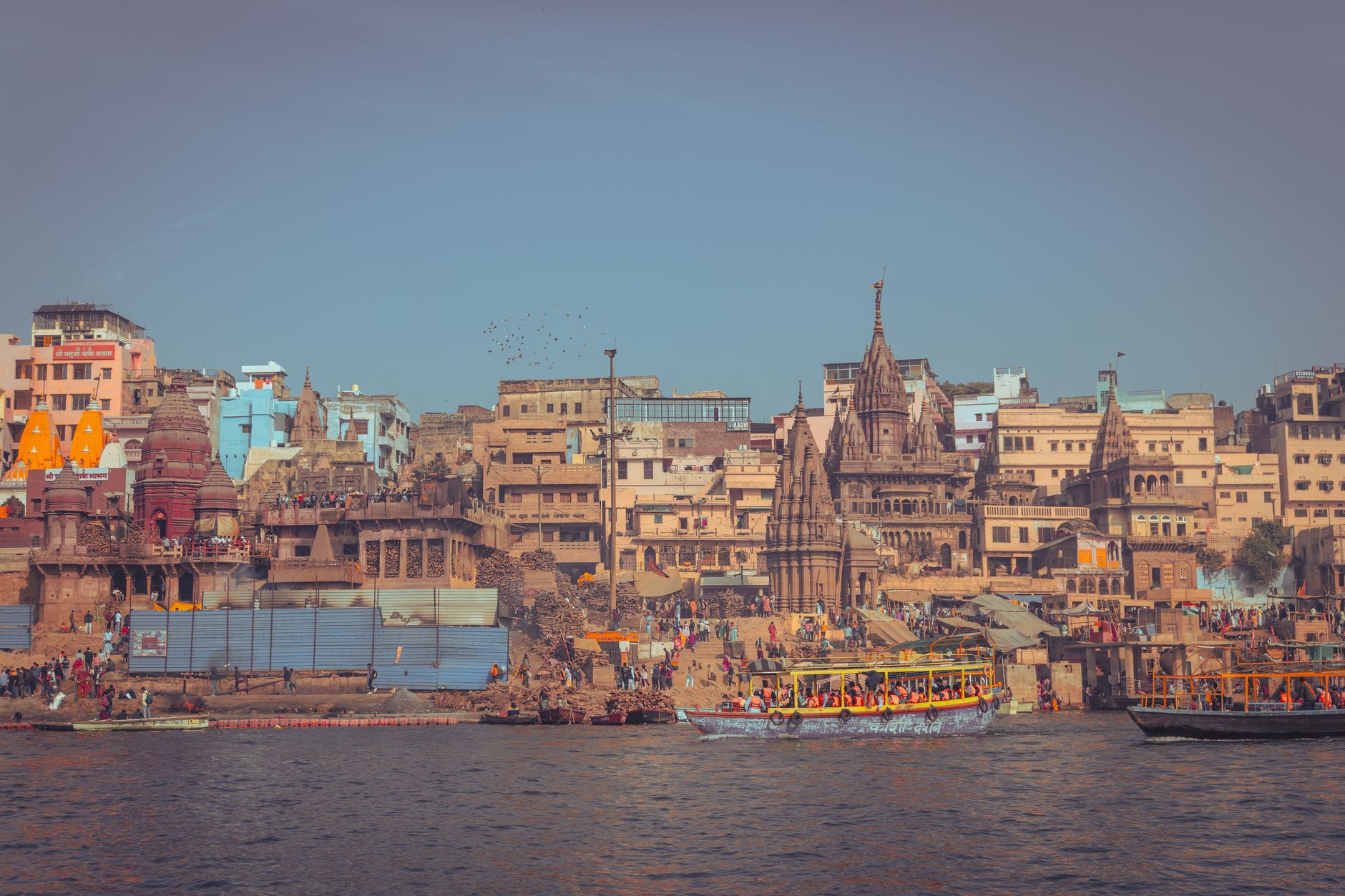
International flight connectivity remains concentrated in major metros like Delhi, Mumbai, and Bangalore, while destinations like Goa, Jaipur, or Varanasi receive limited direct international flights. This forces tourists to route through hub cities, adding time, cost, and complexity to their journeys. Compare this to Thailand, where Phuket, Chiang Mai, and multiple other cities receive direct international flights from dozens of countries.
Road and rail infrastructure connecting tourist destinations also needs enhancement. While India has made strides with highway development and premium train services, the last-mile connectivity to many heritage sites and natural attractions remains poor. Tourist circuits often lack adequate signage, rest facilities, and reliable transportation options that international visitors expect.
Economic Impact of Tourism Reform
The potential economic benefits of addressing these challenges are substantial. Tourism is a labor-intensive industry that creates employment across skill levels, from hotel staff to tour guides to artisans selling handicrafts. Each international tourist arrival generates income not just in hospitality but across multiple sectors including retail, transportation, food services, and entertainment.
International tourism also brings valuable foreign exchange and helps balance trade deficits. Countries that have successfully developed their tourism sectors have seen significant GDP contributions, often ranging from 10-15 percent or higher. For India, even capturing a proportionate share of global tourism flows based on its attractions could translate to tens of billions of dollars in additional annual revenue.
The Path Forward
Implementing comprehensive visa reforms should be a priority. This could include expanding visa-free access for more countries, reducing fees, simplifying documentation requirements, and allowing visa-on-arrival at more entry points. Singapore, Japan, and South Korea offer useful models of countries that have successfully balanced security concerns with tourism facilitation.
On connectivity, both public and private sector investments are needed. Developing airports in tourist-heavy regions, incentivizing international airlines to open new routes, and improving ground transportation networks would make India more accessible and tourist-friendly. Digital infrastructure supporting seamless booking, payment, and navigation is equally important for modern travelers.
The tourism sector's revival and growth depend on coordinated policy action that recognizes travel and hospitality as strategic economic priorities rather than merely lifestyle sectors.