India's tourism sector stands at a critical juncture, with global travel experts emphasizing the urgent need for comprehensive visa reforms and increased investment to position the country as a leading destination in the post-pandemic era. The call from the World Travel and Tourism Council president highlights systemic issues that have long hampered India's ability to capture a larger share of the global tourism market.
The Visa Challenge Holding India Back
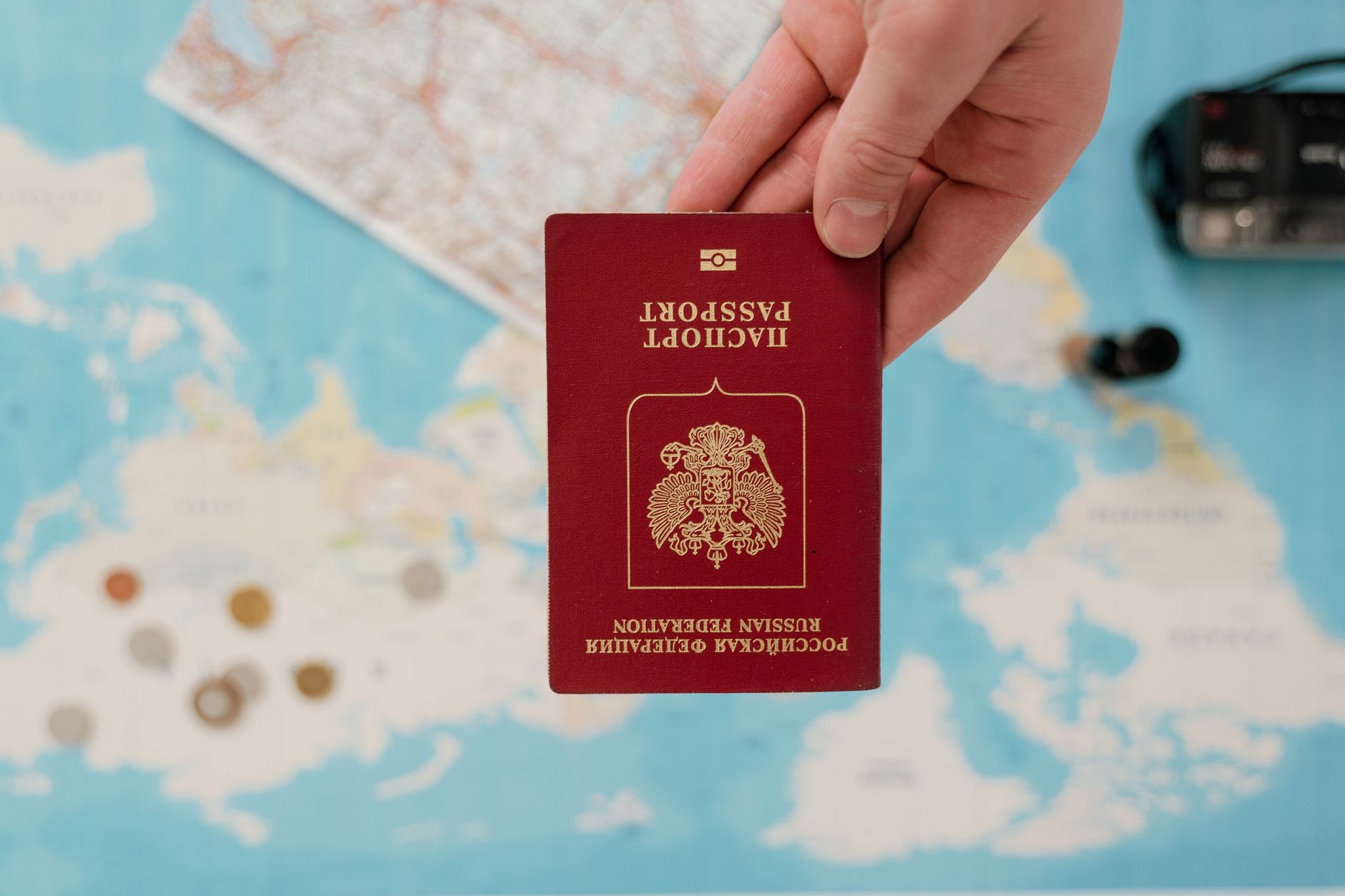
Despite being home to some of the world's most iconic landmarks, diverse cultural experiences, and natural wonders, India continues to lag behind regional competitors in tourist arrivals. A significant factor contributing to this gap is the country's complex visa regime. Currently, the visa application process for many nationalities involves extensive documentation, lengthy processing times, and multiple bureaucratic hurdles that discourage spontaneous travel decisions.
Countries like Thailand, Vietnam, and Indonesia have implemented streamlined e-visa systems and expanded visa-free access for numerous nationalities, making travel planning significantly easier. India's e-visa facility, while a step in the right direction, remains limited in scope and accessibility compared to these regional competitors. Processing delays and technical glitches have also been reported, creating frustration among potential visitors.
Economic Impact of Tourism Reform
The economic stakes are substantial. Tourism is a major employment generator, supporting millions of jobs across hospitality, transportation, handicrafts, and related sectors. The industry also contributes significantly to foreign exchange earnings and regional development, particularly in states like Rajasthan, Kerala, Goa, and Himachal Pradesh.
Global tourism has rebounded strongly since the pandemic, with international tourist arrivals approaching pre-2019 levels in many markets. However, India's recovery has been comparatively slower, partly due to accessibility barriers. Experts estimate that simplified visa processes could boost tourist arrivals by 25-30 percent within two years, translating into billions of dollars in additional revenue and hundreds of thousands of new jobs.
Infrastructure Gaps Need Urgent Attention
Beyond visa reforms, the tourism sector requires substantial infrastructure investment. Many tourist destinations suffer from inadequate facilities, including poor connectivity, limited accommodation options in various price ranges, insufficient sanitation facilities, and lack of tourist information centers. These deficiencies detract from visitor experiences and limit the number of tourists that destinations can comfortably accommodate.
Key investment areas include:
- Modernizing airports in tier-2 and tier-3 cities near major tourist attractions
- Developing integrated transportation networks connecting heritage sites
- Creating world-class tourist amenities at monuments and natural attractions
- Training programs to improve hospitality service standards
- Digital infrastructure for seamless travel experiences
- Sustainable tourism practices to preserve ecological and cultural heritage
Learning From Global Best Practices
Countries that have successfully transformed their tourism sectors offer valuable lessons. Dubai's integrated approach combining liberal visa policies with massive infrastructure investment has made it a global hub. Singapore's focus on cleanliness, efficiency, and customer service has created a premium tourism brand. Malaysia's coordinated marketing campaigns and streamlined entry procedures have significantly boosted arrivals.
India can adapt these models while leveraging its unique advantages. The country's incredible diversity means it can appeal to virtually every traveler segment, from budget backpackers to luxury seekers, adventure enthusiasts to spiritual seekers, and history buffs to beach lovers.
The Path Forward
Implementing meaningful reforms requires coordination across multiple government agencies, including the Ministry of Tourism, Ministry of Home Affairs, and state governments. A phased approach could begin with expanding visa-free access for citizens of major source markets, followed by universal e-visa availability with same-day processing for most nationalities.
Public-private partnerships could accelerate infrastructure development, with the government providing policy support and basic facilities while private enterprises develop accommodation, entertainment, and specialized tourism services. State governments must also play a proactive role in developing regional tourism circuits and maintaining local attractions.
The global travel industry is watching India's next moves closely. With the right reforms and investments, the country could potentially double or triple its tourism revenue over the next decade, creating millions of jobs and showcasing India's rich heritage to the world. The question is not whether India should undertake these reforms, but how quickly it can implement them to capture the burgeoning opportunities in global tourism.