India's transportation landscape is experiencing an unprecedented transformation, marking a new era of connectivity and mobility for its 1.4 billion citizens. From high-speed rail corridors to metro expansions and digital ticketing systems, the nation is redefining how people and goods move across its vast geography.
The Infrastructure Boom
The Indian government has prioritized transportation infrastructure as a key pillar of economic development. Highways are being expanded and modernized under the Bharatmala Pariyojana, aiming to optimize freight movement and reduce logistics costs. The Golden Quadrilateral and other national highway networks have already reduced travel times between major cities significantly.
Rail infrastructure continues to receive major investments, with dedicated freight corridors being constructed to separate cargo and passenger traffic. The introduction of Vande Bharat trains represents India's push toward semi-high-speed rail connectivity, offering passengers faster and more comfortable journeys between key cities.
Metro Revolution in Tier-2 Cities
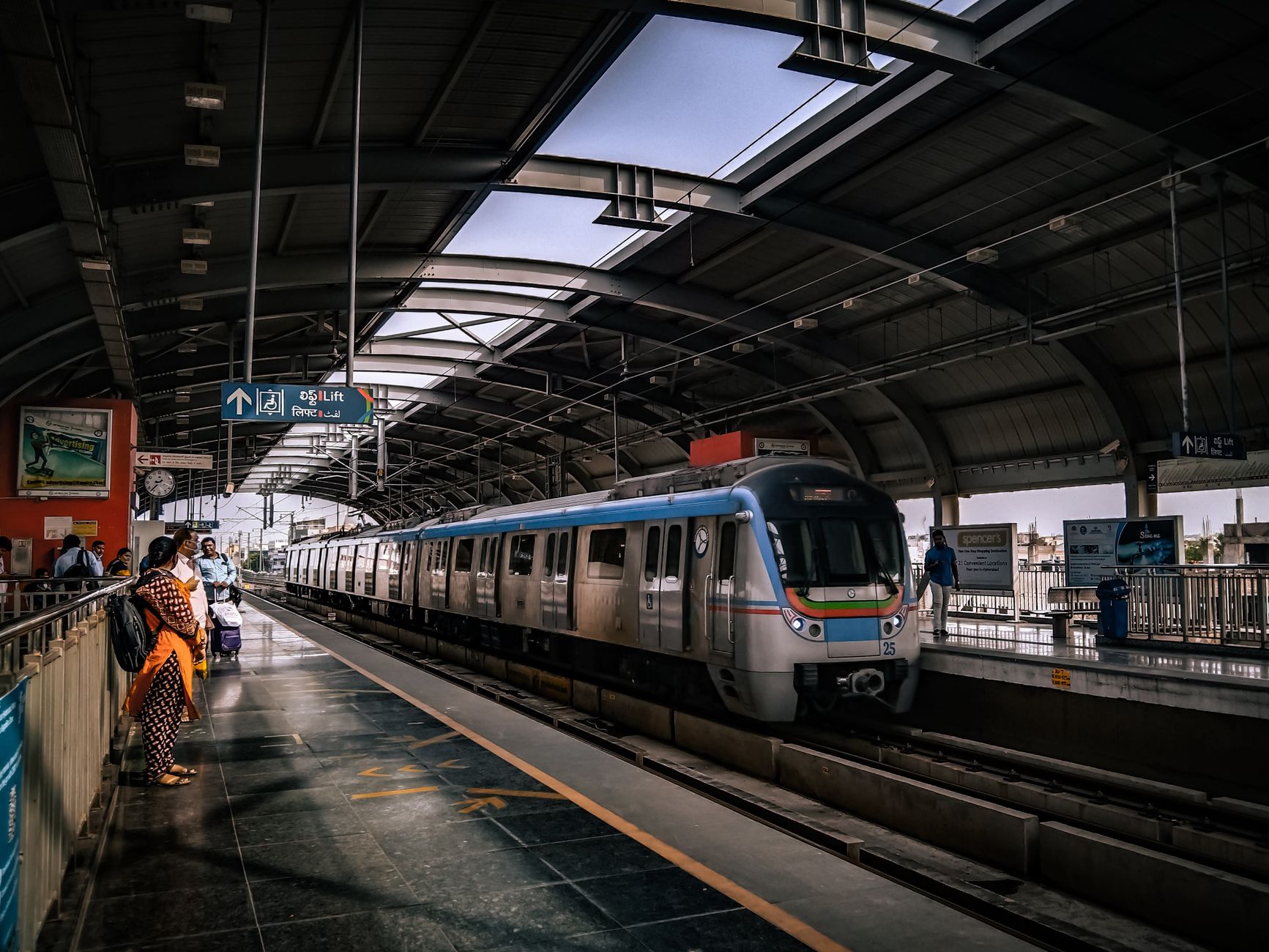
While metro systems in Delhi, Mumbai, and Bengaluru have matured, the focus has shifted to tier-2 and tier-3 cities. Cities like Kanpur, Agra, Bhopal, and Surat are either operating or constructing metro networks. This expansion addresses urban congestion while providing affordable, efficient public transport options that reduce carbon emissions and improve air quality.
The standardization of metro technologies across cities has enabled cost savings and faster implementation. Integration with bus rapid transit systems and last-mile connectivity solutions ensures comprehensive urban mobility networks.
Digital Revolution in Ticketing and Planning
Technology has democratized travel planning and ticketing in India. The IRCTC platform handles millions of daily transactions, while the One Nation One Card initiative allows passengers to use a single payment card across different transport modes and cities. UPI-based payments have made purchasing tickets seamless, eliminating the need for cash transactions.
Real-time tracking applications now provide passengers with live updates on train and bus locations, expected arrival times, and platform changes. This transparency has improved the travel experience and helped passengers make informed decisions.
Aviation Sector Expansion
The UDAN (Ude Desh ka Aam Nagrik) scheme has democratized air travel by connecting unserved and underserved airports across India. Regional connectivity has improved dramatically, with smaller cities gaining direct flight connections that were previously unimaginable. This has boosted tourism, business activity, and economic opportunities in remote regions.
New airports and terminal expansions in major cities are accommodating growing passenger numbers. The focus on developing airport infrastructure in tier-2 cities is creating alternative aviation hubs and reducing pressure on congested metro airports.
Waterways and Coastal Shipping
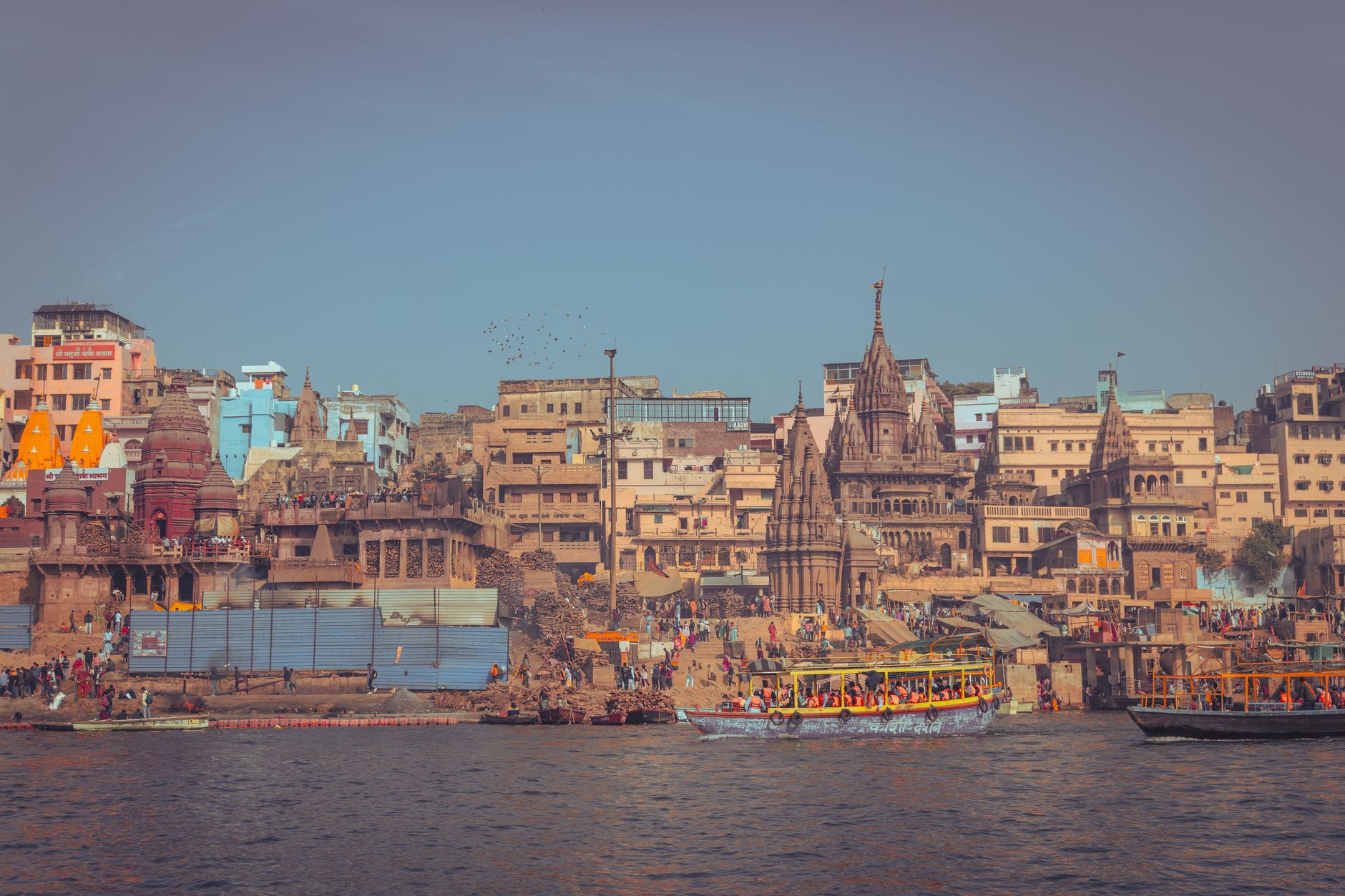
India is rediscovering its rivers and coastline as viable transportation corridors. The Inland Waterways Authority of India is developing National Waterways for cargo and passenger movement. River cruises on the Ganges have opened new tourism opportunities while demonstrating the potential of water-based transport.
Coastal shipping receives renewed attention as an energy-efficient alternative to road transport for moving goods along India's extensive coastline. Roll-on/roll-off ferry services are being introduced to improve connectivity to island territories and coastal communities.
Electric and Sustainable Mobility
The push toward electric vehicles is transforming urban transportation. Electric buses are being inducted into public transport fleets across cities, while e-rickshaws provide last-mile connectivity. Charging infrastructure is expanding, supported by both government initiatives and private investments.
Bicycle-sharing schemes and pedestrian-friendly infrastructure in cities reflect a growing awareness of sustainable urban mobility. Several cities are creating dedicated cycling lanes and car-free zones to encourage non-motorized transport.
Challenges Ahead
Despite impressive progress, challenges remain. Coordinating between central and state agencies, ensuring timely project completion, and maintaining built infrastructure require constant attention. Land acquisition issues, environmental clearances, and financial sustainability of public transport systems continue to pose hurdles.
The integration of different transport modes into seamless multi-modal networks remains work in progress. Ensuring safety standards, especially on roads where accidents remain high, requires sustained enforcement and awareness campaigns.
The Road Forward
India's transportation transformation is creating economic opportunities, improving quality of life, and positioning the country as a global logistics hub. As infrastructure projects materialize and technology integration deepens, the vision of a truly connected India becomes increasingly tangible. The movement of people and goods across the nation has never been easier, faster, or more efficient, marking a defining chapter in India's development story.