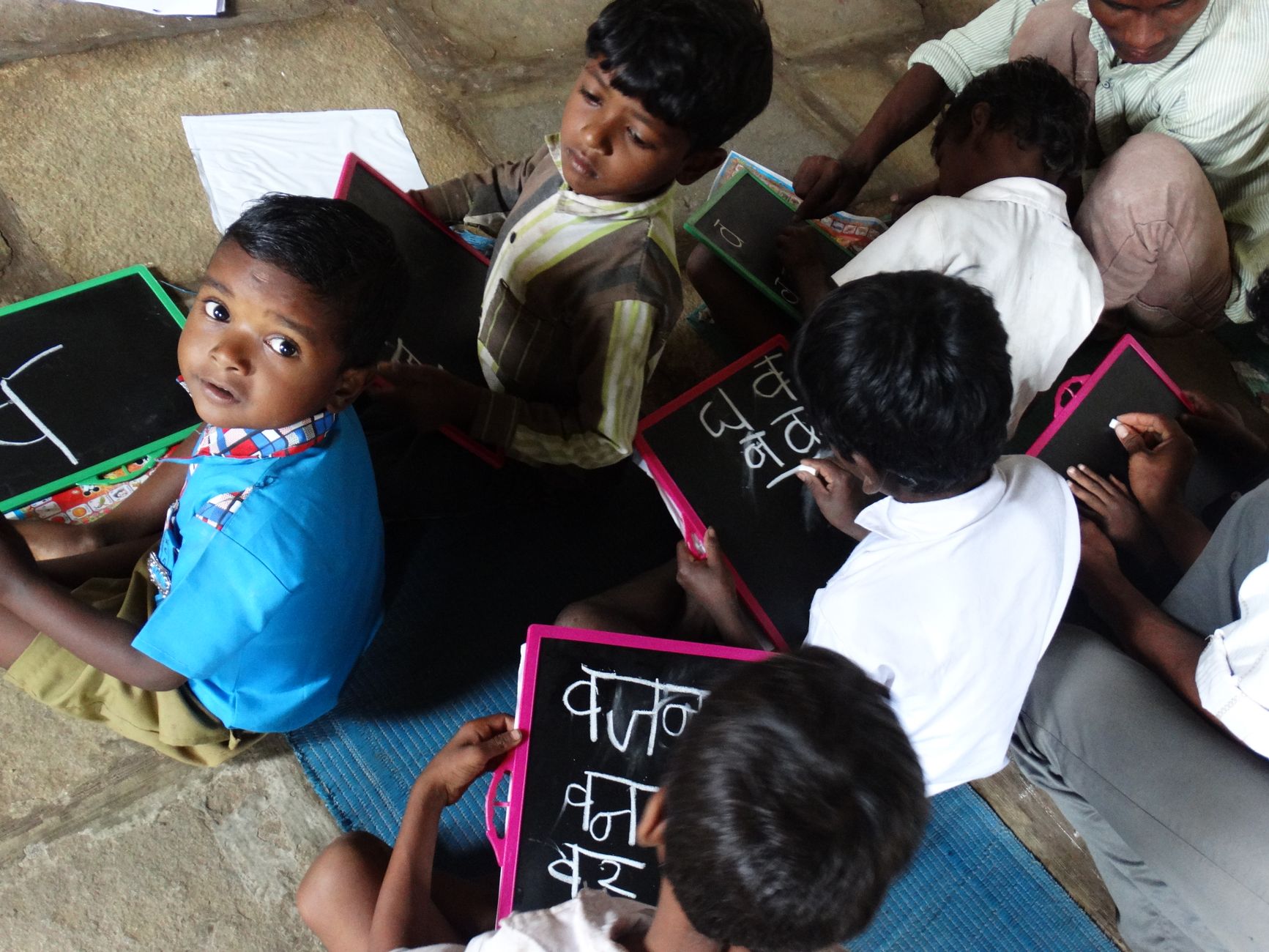
The Indian government and the Bar Council of India have embarked on an ambitious initiative to transform legal education by making it available in regional languages over the next ten years. This move represents a significant shift in how aspiring lawyers will access and engage with legal studies across the country.
Breaking the English-Only Barrier
Legal education in India has traditionally been dominated by English-medium instruction, creating a substantial barrier for students from vernacular medium backgrounds. This linguistic constraint has effectively limited entry into the legal profession to those with strong English language skills, often excluding talented individuals from rural areas and non-English speaking communities.
The new ten-year plan seeks to address this disparity by enabling law courses to be taught in Hindi and various regional languages recognized under the Eighth Schedule of the Indian Constitution. This initiative aligns with the National Education Policy 2020, which emphasizes education in mother tongues and regional languages to improve comprehension and learning outcomes.
Implications for Aspiring Legal Professionals
The expansion of legal education in regional languages is expected to significantly increase accessibility to the legal profession. Students who previously struggled with English-medium legal texts and lectures will now have the opportunity to study law in their native languages, potentially improving their understanding of complex legal concepts.
This democratization could lead to:
- Increased enrollment of students from rural and semi-urban areas in law schools
- Greater diversity within the legal profession reflecting India's linguistic and cultural plurality
- Enhanced understanding of legal principles when taught in familiar languages
- Reduced dropout rates among vernacular medium students pursuing law degrees
- Expansion of legal services in regional languages to better serve local communities
Implementation Challenges
While the initiative is promising, implementing legal education in multiple regional languages presents several practical challenges. The legal system in India's higher courts predominantly operates in English, creating a potential disconnect between education and professional practice.
Key challenges include:
- Development of standardized legal terminology and vocabulary in various regional languages
- Translation of extensive legal literature, case laws, and textbooks
- Training faculty members capable of teaching law in regional languages
- Ensuring consistency and quality across different linguistic mediums
- Maintaining compatibility with national-level competitive examinations for judicial services
Impact on the Judicial System
The availability of legal education in regional languages could have far-reaching effects on India's judicial system. A more linguistically diverse legal profession may improve access to justice for citizens who are more comfortable communicating in their native languages.
District and subordinate courts, where proceedings often occur in regional languages, could particularly benefit from lawyers educated in those languages. This could enhance communication between lawyers, clients, and courts, potentially improving the quality of legal representation for vernacular-speaking citizens.
Balancing Tradition and Innovation
The success of this initiative will depend on striking a balance between preserving the established legal framework and embracing linguistic diversity. While regional language education will make legal studies more accessible, students will still need exposure to English legal terminology to navigate the broader Indian legal system effectively.
Many legal experts suggest a bilingual approach might be most effective, where core concepts are taught in regional languages while maintaining familiarity with English legal terminology. This would prepare students for both local practice and potential advancement to higher courts where English remains predominant.
Timeline and Rollout Strategy
A ten-year implementation period suggests a phased approach to introducing regional language legal education. Early phases might focus on developing curriculum materials, training educators, and establishing pilot programs in select law schools. Later phases would likely involve broader rollout and refinement based on initial experiences.
The extended timeline also allows for careful consideration of how to integrate regional language legal education with existing bar examination requirements and professional standards maintained by the Bar Council of India.
Broader Educational Reforms
This initiative fits within a larger movement toward vernacularization of professional education in India. Similar discussions are occurring around medical, engineering, and other professional courses. The legal education experiment could serve as a model for other professional fields considering regional language instruction.
The success or challenges encountered in implementing this plan will likely influence policy decisions across multiple educational sectors, making the legal education initiative a significant test case for linguistic diversity in higher education.
This article is for general informational purposes only and does not constitute professional educational or career advice. Prospective law students should consult with educational institutions and professional bodies for specific guidance on legal education pathways and requirements.