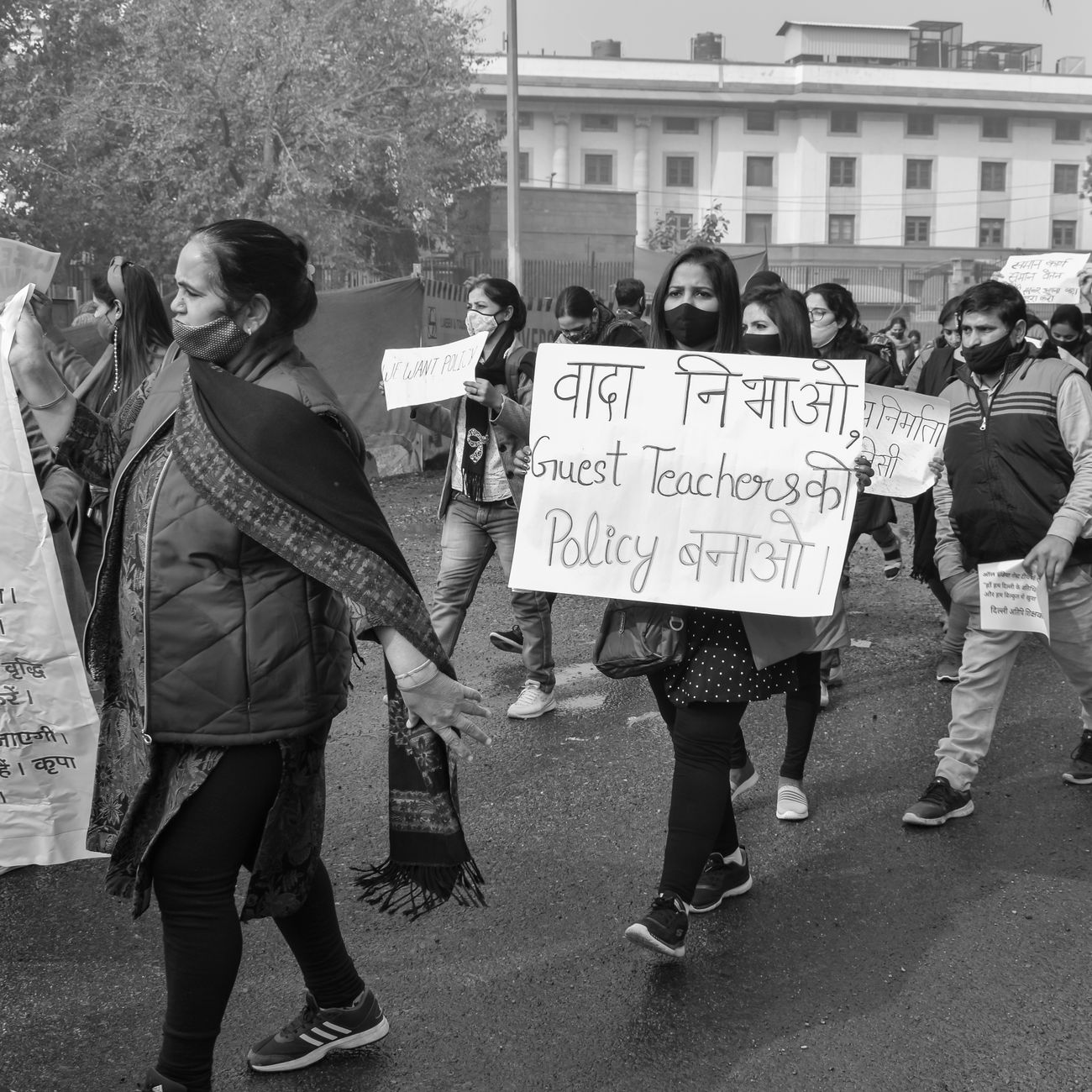
India's parliament faced an unprecedented disruption this week as nationwide protests over examination irregularities spilled into the legislative chamber, forcing a suspension of proceedings and placing Prime Minister Narendra Modi's administration under intense scrutiny. The incident highlights growing frustration among millions of Indian students and their families over recurring problems in the country's competitive examination system.
The Examination Crisis
India's competitive examination system serves as the gateway to higher education and government jobs for millions of young people each year. Exams like the National Eligibility cum Entrance Test (NEET) for medical colleges and various public service examinations are often described as make-or-break moments for students who invest years of preparation and significant family resources.
Recent allegations of paper leaks, result manipulation, and irregularities in exam administration have sparked outrage across the country. Students and parents argue that these failures undermine meritocracy and destroy the futures of honest candidates while benefiting those with access to leaked papers or other unfair advantages.
Parliament Comes to a Standstill
Opposition parties seized upon the crisis to demand answers from the government, leading to chaotic scenes in both houses of parliament. Members of parliament from various opposition parties staged walkouts, raised slogans, and prevented normal business from proceeding, ultimately forcing a temporary suspension of parliamentary activities.
The disruption represents a significant political challenge for the Modi government, which has long projected an image of administrative efficiency and good governance. Opposition leaders have called for ministerial accountability, independent investigations, and systemic reforms to prevent future examination scandals.
Student Anger Boils Over
Across Indian cities, thousands of students have taken to the streets demanding justice and transparency. The protests have been particularly intense in states like Bihar, Uttar Pradesh, and Delhi, where examination irregularities have been most prominently reported.
Many protesters are first-generation learners from modest backgrounds who view competitive exams as their only pathway to social mobility. For these students and their families, examination fraud represents not just an administrative failure but a betrayal of their aspirations and sacrifices.
Political Implications
The examination controversy arrives at a politically sensitive time for the Modi administration. While the government maintains a strong parliamentary majority, public discontent over youth-related issues can have long-term electoral consequences in a country where young voters represent a substantial demographic bloc.
Opposition parties have framed the issue as symptomatic of broader governance failures, attempting to chip away at the ruling party's credibility on administrative competence. They argue that repeated examination scandals point to either incompetence or complicity among officials responsible for conducting fair tests.
Systemic Challenges
India's examination system faces enormous structural challenges. The sheer scale of competitive exams—with millions of candidates appearing simultaneously across thousands of centers—creates logistical vulnerabilities. The high stakes involved also create powerful incentives for cheating and corruption.
Previous governments have also grappled with similar problems, though critics argue that recent incidents appear more frequent and widespread. The National Testing Agency, responsible for conducting major examinations, has faced particular criticism for alleged lapses in security protocols and delayed responses to reported irregularities.
Demands for Reform
Students and education advocates are calling for comprehensive reforms including:
- Implementation of advanced technology to prevent paper leaks and cheating
- Decentralized examination systems to reduce single points of failure
- Stronger legal penalties for those involved in examination fraud
- Regular audits of testing agencies and examination centers
- Greater transparency in result processing and grievance redressal
- Multiple exam attempts per year to reduce pressure on single tests
Government Response
The government has announced investigations into specific incidents and promised action against those found guilty of irregularities. However, critics argue that ad hoc responses are insufficient and that fundamental reforms to examination administration are necessary.
Some officials have pointed to the complexity of managing examinations for a country of India's size and suggested that while improvements are needed, occasional irregularities are inevitable in such a massive system—an argument that has failed to satisfy angry students and their supporters.
The parliament suspension and ongoing protests signal that the examination crisis has evolved from an administrative issue into a full-blown political controversy. How the Modi government navigates this challenge could have implications for its broader political standing and its relationship with India's vast youth population.