India faces a peculiar contradiction in its higher education landscape. On one hand, leading economists and education experts increasingly suggest that college may not be the best path for everyone. On the other, the National Education Policy 2020 aims to achieve a 50% gross enrollment ratio in higher education by 2035, up from around 28% currently. This disconnect raises important questions about the future of work, education, and employment in India.
The Case Against Universal College Education
Several prominent economists have begun questioning the conventional wisdom that college degrees guarantee economic success. Their concerns stem from observable realities in India's job market. Millions of graduates struggle to find employment matching their qualifications, while skilled trades and vocational positions remain unfilled.
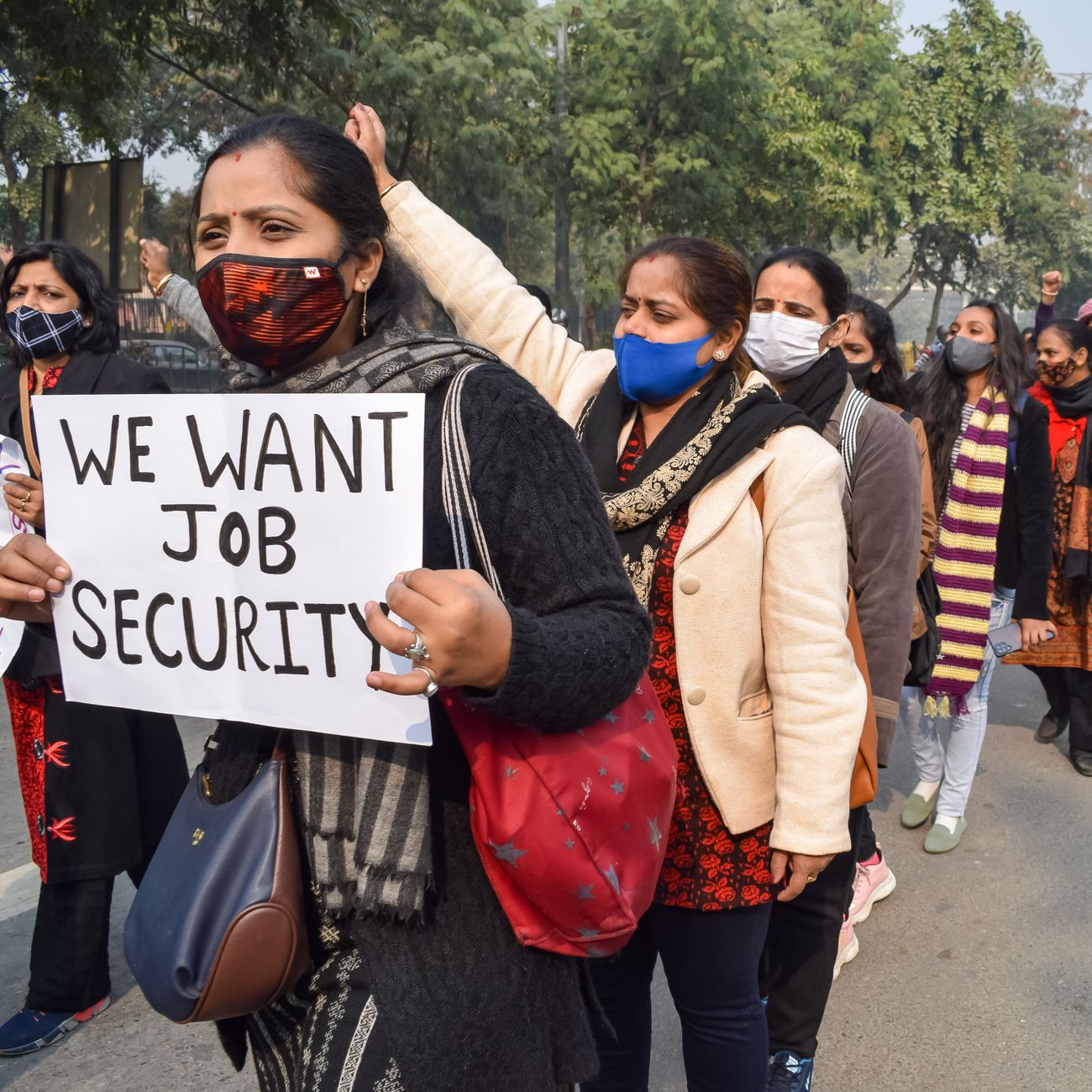
The employment data paints a sobering picture. Graduate unemployment rates often exceed those of people with only secondary education. Engineering colleges produce hundreds of thousands of graduates annually, yet industry reports suggest only a fraction possess job-ready skills. This mismatch between education and employability has created what some call a "qualification inflation" crisis.
Beyond unemployment statistics, underemployment plagues graduates who accept positions far below their qualification levels. The phenomenon of overqualified delivery workers, cab drivers, and sales associates with bachelor's or master's degrees has become commonplace in Indian cities. This represents not just individual disappointment but also a massive misallocation of educational resources and years of productive potential.
Why India Still Pushes for Higher Enrollment
Despite these concerns, policymakers maintain that expanding higher education access remains crucial for India's development. The 50% enrollment target reflects several policy considerations that extend beyond immediate job market realities.
First, higher education historically correlates with economic development at the national level. Countries with larger proportions of college-educated populations generally achieve higher per capita incomes and more innovation-driven economies. Policymakers argue India cannot compete globally without expanding its talent pool.
Second, the enrollment push addresses equity concerns. Currently, higher education access remains heavily skewed toward urban, upper-caste, and economically privileged families. Expanding enrollment aims to democratize opportunity and break intergenerational poverty cycles. The policy framework includes provisions for disadvantaged groups, rural areas, and first-generation learners.
Third, proponents argue that the problem lies not with college education itself but with its quality and relevance. The NEP 2020 includes provisions for multidisciplinary education, skill integration, and flexible learning pathways meant to address employability concerns while expanding access.
The Skills Gap and Alternative Pathways
The tension between economist warnings and enrollment targets highlights India's broader skills development challenge. The country needs both more education and better education, alongside robust alternatives to traditional degrees.
Vocational training and skill development programs have historically suffered from low prestige and inadequate infrastructure. Germany's dual education system, which combines apprenticeships with classroom learning, produces highly employable graduates, but India lacks equivalent institutions and industry participation. Changing societal attitudes toward non-degree pathways remains difficult when college education carries significant social status.
The technology sector offers some alternative models. Coding bootcamps, online certification programs, and portfolio-based hiring have created pathways to well-paying jobs without traditional degrees. However, these remain concentrated in specific industries and urban centers, limiting their broader applicability.
Reconciling the Contradiction
The apparent contradiction between economist advice and policy targets may be less stark than it appears. The key lies in transforming what college means rather than simply debating enrollment numbers.
Quality improvements, industry partnerships, entrepreneurship ecosystems, and skill-embedded curricula could make higher education more valuable. Liberal arts education that develops critical thinking, communication, and adaptability may prove more valuable than narrow technical training as automation disrupts traditional job categories.
Simultaneously, dignifying and expanding non-college pathways creates genuine choice rather than forcing a binary decision. Young Indians should be able to choose quality vocational training, apprenticeships, or entrepreneurship without social stigma or reduced economic prospects.
The resolution requires acknowledging that different individuals benefit from different educational paths. Not everyone needs college, but everyone deserves access to quality post-secondary education or training appropriate to their goals, abilities, and circumstances. India's challenge is building systems that provide both expanded access and genuine alternatives, ensuring that whatever path young people choose leads to dignified, productive futures.
This article provides general information about education and employment trends in India. Individual career decisions should consider personal circumstances, interests, and abilities. Readers should research specific programs and consult with education counselors before making significant educational investments.