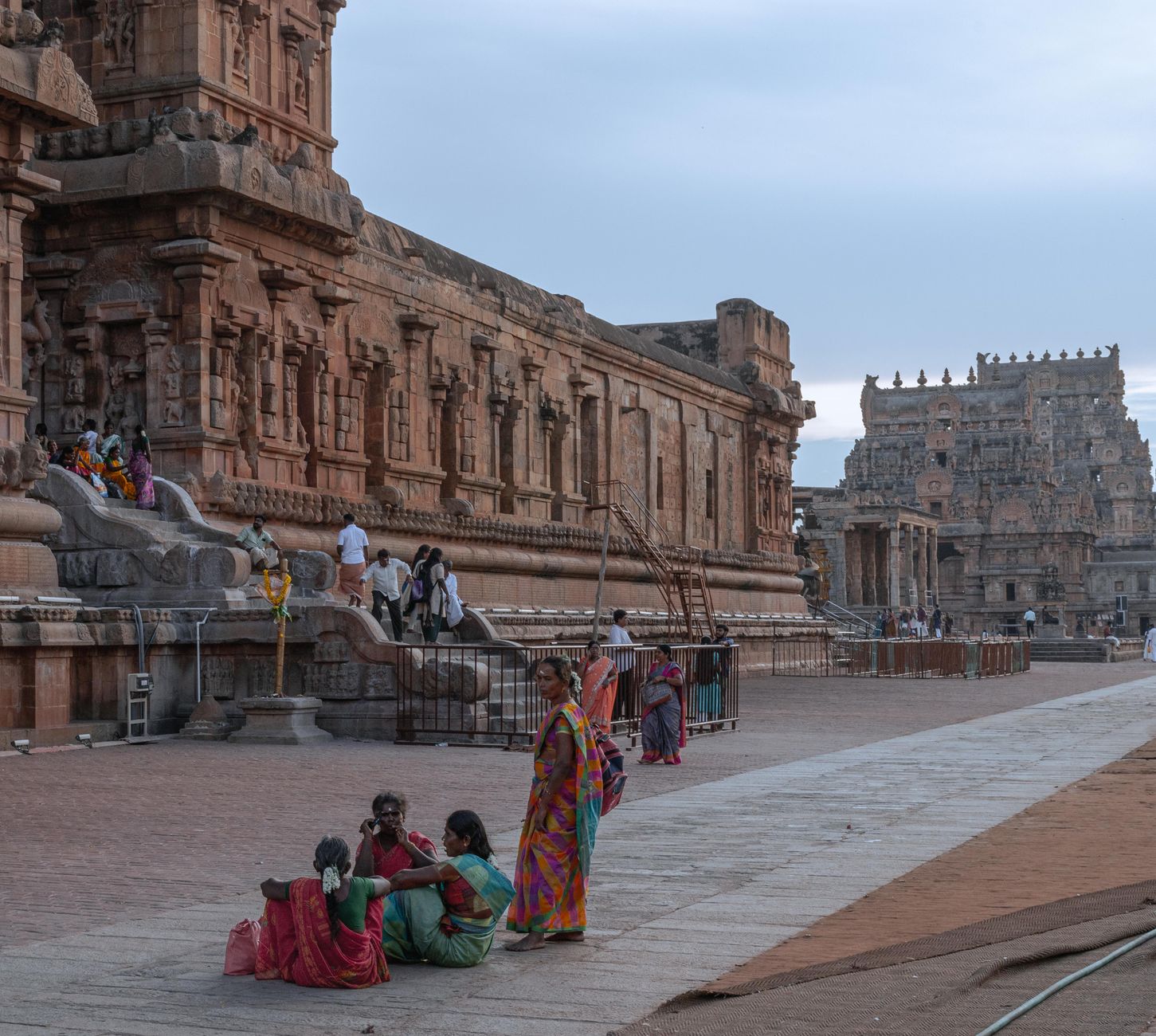
India's spiritual tourism landscape is witnessing a transformative moment as pilgrims and heritage enthusiasts flock to newly developed sacred corridors connecting ancient temples and historical sites. This unprecedented travel wave reflects both infrastructure improvements and a growing appetite for experiential spiritual journeys that blend devotion with cultural exploration.
The Rise of Sacred Corridor Development
The Indian government and state authorities have invested significantly in developing integrated tourism corridors around major religious sites. These projects go beyond individual temple visits, creating comprehensive routes that connect multiple sacred destinations with improved roads, amenities, and visitor facilities. The Kashi Vishwanath Corridor in Varanasi set a precedent, followed by similar initiatives around temples in Tamil Nadu, Uttarakhand, and other spiritually significant regions.
These corridors serve multiple purposes. They preserve and showcase India's architectural heritage while making ancient sites more accessible to the general public. Enhanced walkways, better lighting, cleaner surroundings, and improved crowd management have made pilgrimages more comfortable, attracting demographics that previously found such journeys challenging.
Popular Sacred Routes Drawing Crowds
Several temple circuits have emerged as major draws for travelers seeking spiritual experiences. The Char Dham Yatra in Uttarakhand, connecting Yamunotri, Gangotri, Kedarnath, and Badrinath, continues to break visitor records despite its challenging terrain. Tamil Nadu's temple trail spanning Madurai, Rameswaram, and Thanjavur attracts architecture enthusiasts alongside devotees.
The Krishna Circuit in Uttar Pradesh connects Mathura, Vrindavan, Barsana, and Gokul, offering immersive experiences in Vaishnav culture. Meanwhile, the Buddhist Circuit linking Bodh Gaya, Sarnath, Kushinagar, and Lumbini draws international visitors seeking enlightenment tourism. Each circuit offers distinct cultural flavors while maintaining the essence of India's spiritual traditions.
Infrastructure Transformation Driving Growth
Modern infrastructure has been crucial in this tourism boom. New airports and railway connectivity have reduced travel times significantly. The Ayodhya airport, revamped railway stations near temple towns, and improved road networks have made previously remote pilgrimage sites accessible within hours rather than days.
Digital initiatives have also played a role. Online darshan bookings, mobile apps for temple information, and virtual queue systems have reduced wait times and improved visitor experiences. Many temple towns now offer guided heritage walks, cultural performances, and interactive museums that enrich the understanding of local history and traditions.
Economic Impact on Temple Towns
The surge in sacred tourism has transformed local economies around heritage sites. Small businesses, handicraft vendors, and hospitality providers are experiencing robust growth. Traditional arts and crafts associated with temple cultures are finding new markets as tourists seek authentic souvenirs and experiences.
Employment opportunities have multiplied in these regions, from tour guides and hospitality workers to artisans and cultural performers. Many temple towns are witnessing real estate development and infrastructure upgrades that benefit both visitors and residents.
Balancing Growth with Preservation
This tourism wave presents challenges alongside opportunities. Increased footfall raises concerns about the preservation of ancient structures and the sustainability of fragile ecosystems around heritage sites. Authorities are implementing visitor caps at sensitive locations and promoting responsible tourism practices.
Environmental considerations are becoming central to corridor development. Waste management systems, restrictions on plastic usage, and efforts to minimize carbon footprints are being integrated into tourism planning. Some sites have introduced timed entry systems to prevent overcrowding and preserve the sanctity of religious experiences.
The Changing Face of Spiritual Tourism
Today's spiritual tourists are diverse. While traditional pilgrims continue their devotional journeys, a new generation of travelers approaches these sites with curiosity about history, architecture, and cultural heritage. International visitors interested in yoga, meditation, and Eastern philosophy are increasingly incorporating temple circuits into their Indian itineraries.
Social media has amplified interest in India's sacred geography. Stunning visuals of illuminated ghats, intricately carved temple architecture, and vibrant religious festivals inspire travel decisions among younger demographics who might not identify as traditionally religious but appreciate cultural and aesthetic experiences.
Future Prospects
The momentum in sacred tourism shows no signs of slowing. Plans for additional corridors and heritage circuits are underway across multiple states. As India positions itself as a global spiritual tourism destination, these ancient sites are being reimagined for modern travelers while respecting their religious and cultural significance.
The success of sacred corridors demonstrates that thoughtful development can make heritage accessible without compromising authenticity, offering a sustainable model for cultural tourism in the 21st century.