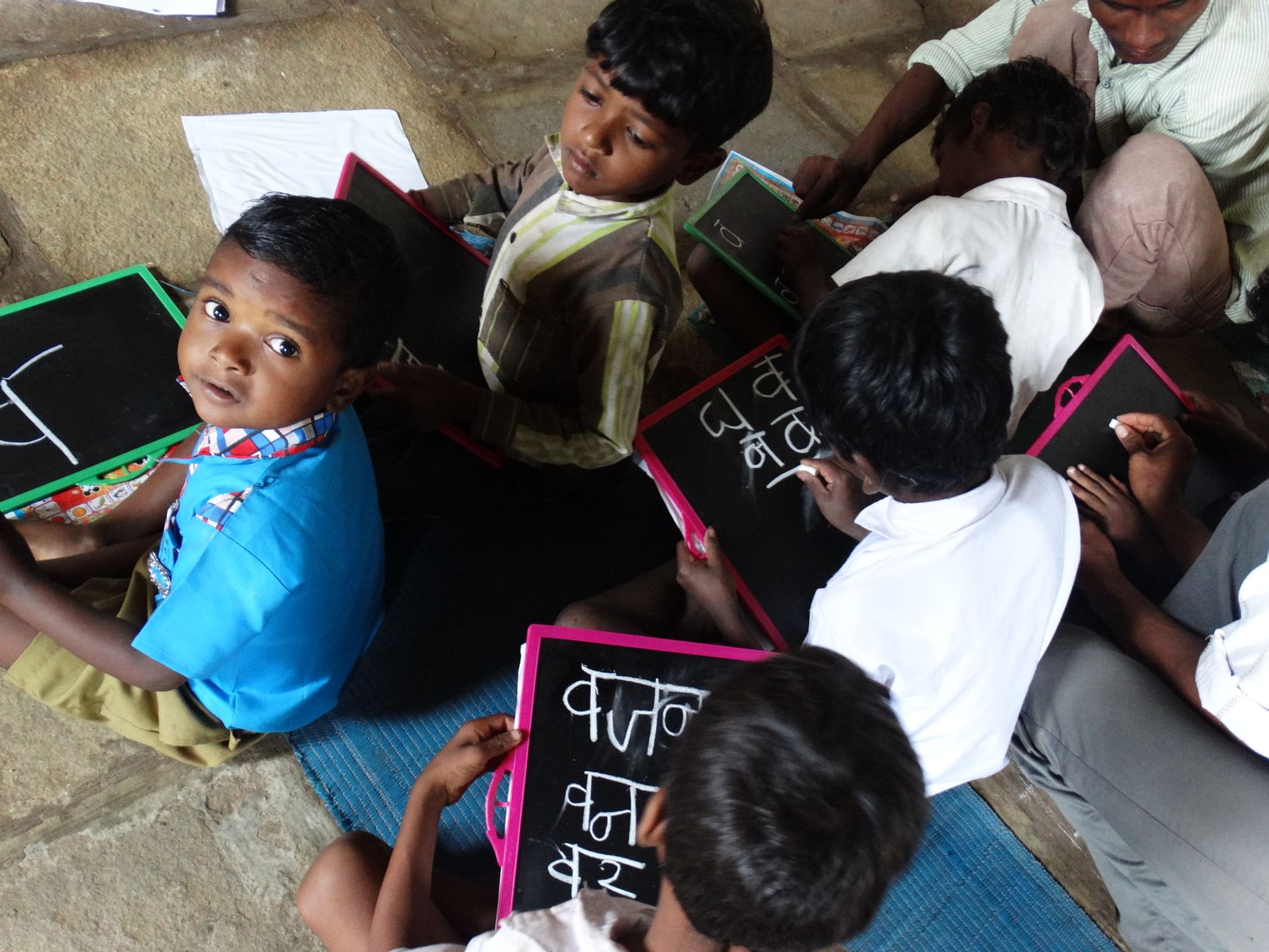
India has witnessed encouraging progress in its battle against school dropouts, with recent statistics indicating a notable decline in the number of students leaving formal education before completing their schooling. This development represents years of policy interventions, community efforts, and increased awareness about the importance of education in transforming lives and breaking cycles of poverty.
Understanding the Dropout Problem
School dropout rates have long plagued India's education system, with students abandoning their studies at various levels due to multiple interconnected factors. Economic pressures forcing children into labor, lack of infrastructure in rural areas, social barriers including caste and gender discrimination, and the perceived irrelevance of education to immediate livelihood needs have all contributed to this challenge. The problem has been particularly acute at the secondary level, where the transition from elementary to higher education sees significant attrition.
The dropout rate serves as a critical indicator of educational health, reflecting not just access to schools but also the quality of education, social support systems, and economic conditions of communities. High dropout rates represent wasted potential and perpetuate intergenerational poverty, making their reduction a matter of both social justice and economic development.
Factors Behind the Improvement
Several initiatives have contributed to the declining dropout rates. The Right to Education Act, implemented in 2010, established free and compulsory education as a fundamental right for children aged 6-14 years. This legislative framework created obligations for both government and parents, while establishing norms for infrastructure and teacher qualifications.
Mid-day meal schemes have played a dual role in improving attendance and addressing nutritional deficiencies that affect learning. For many economically disadvantaged families, the assurance of at least one nutritious meal provides a tangible incentive for sending children to school regularly.
Scholarship programs targeting girls, students from scheduled castes and tribes, and economically weaker sections have helped offset the opportunity cost of education. When families see direct financial support, the decision to keep children in school becomes economically viable.
Infrastructure improvements, particularly in rural areas, have reduced the physical barriers to education. Construction of schools within reachable distances, provision of separate toilets for girls, and better transportation facilities have all contributed to improved retention.
The Gender Dimension
The narrowing gender gap in dropout rates deserves special attention. Historically, girls faced multiple disadvantages including early marriage, domestic responsibilities, safety concerns, and cultural attitudes that undervalued female education. Targeted interventions including girls' hostels, bicycle schemes, and awareness campaigns have helped shift these dynamics.
However, challenges persist. In certain regions and communities, girls continue dropping out at higher rates than boys, particularly after puberty. Addressing these remaining disparities requires sustained effort and culturally sensitive approaches that engage entire communities.
Remaining Challenges
Despite the positive trend, significant work remains. The absolute numbers of out-of-school children, while declining, still represent millions of young Indians denied their right to education. Regional disparities mean some states lag considerably behind national averages, often correlating with broader development indicators.
Quality concerns present another dimension of the challenge. Reduced dropout rates matter less if students are simply being retained without meaningful learning. Many children complete primary education without achieving basic literacy and numeracy, a phenomenon sometimes called "in-school dropouts."
The COVID-19 pandemic disrupted education delivery and threatened to reverse gains made over the previous decade. Extended school closures, loss of household income, and the digital divide in accessing online education pushed many children out of the education system. The full impact is still being assessed, making vigilance essential.
The Path Forward
Sustaining and building upon the progress requires multifaceted strategies. Investment in teacher training and adequate staffing ensures quality education that engages students. Curriculum reforms that make education relevant to students' lives and local contexts can increase motivation to continue learning.
Community participation through school management committees and parent-teacher associations creates local ownership and accountability. When communities view schools as their own institutions, they become stakeholders in children's educational success.
Bridge programs and alternative education pathways can help reintegrate children who have dropped out, giving them second chances at educational achievement. Vocational training integrated with formal education can address concerns about employability.
The declining dropout rate represents genuine progress in India's educational landscape, reflecting policy commitment and societal change. However, this achievement should mark not an endpoint but a milestone in the ongoing journey toward universal quality education for all children.