India's travel and tourism sector has emerged as one of the fastest-growing industries in the country, contributing significantly to GDP and employment. As domestic travel surges and international arrivals recover, the industry is witnessing transformational changes that are reshaping how Indians travel and how the country positions itself as a global destination.
The Scale of India's Tourism Industry
India's travel and tourism sector contributes approximately 7-8% to the national GDP, making it a vital economic pillar. The industry directly and indirectly employs tens of millions of people across hotels, airlines, tour operators, restaurants, and ancillary services. The sector's multiplier effect touches numerous related industries, from handicrafts to transportation.
The industry generates substantial foreign exchange earnings through international tourist arrivals, though domestic tourism accounts for the lion's share of travel activity within the country. Indian travelers now take over 2 billion domestic trips annually, reflecting the growing prosperity and travel appetite of the middle class.
Domestic Tourism Drives Growth
Domestic tourism remains the backbone of India's travel industry. Rising disposable incomes, improved connectivity through highways and railways, and changing lifestyle preferences have made travel more accessible to millions of Indian families. The expanding middle class, projected to reach 600 million people by 2030, represents a massive market for domestic travel services.
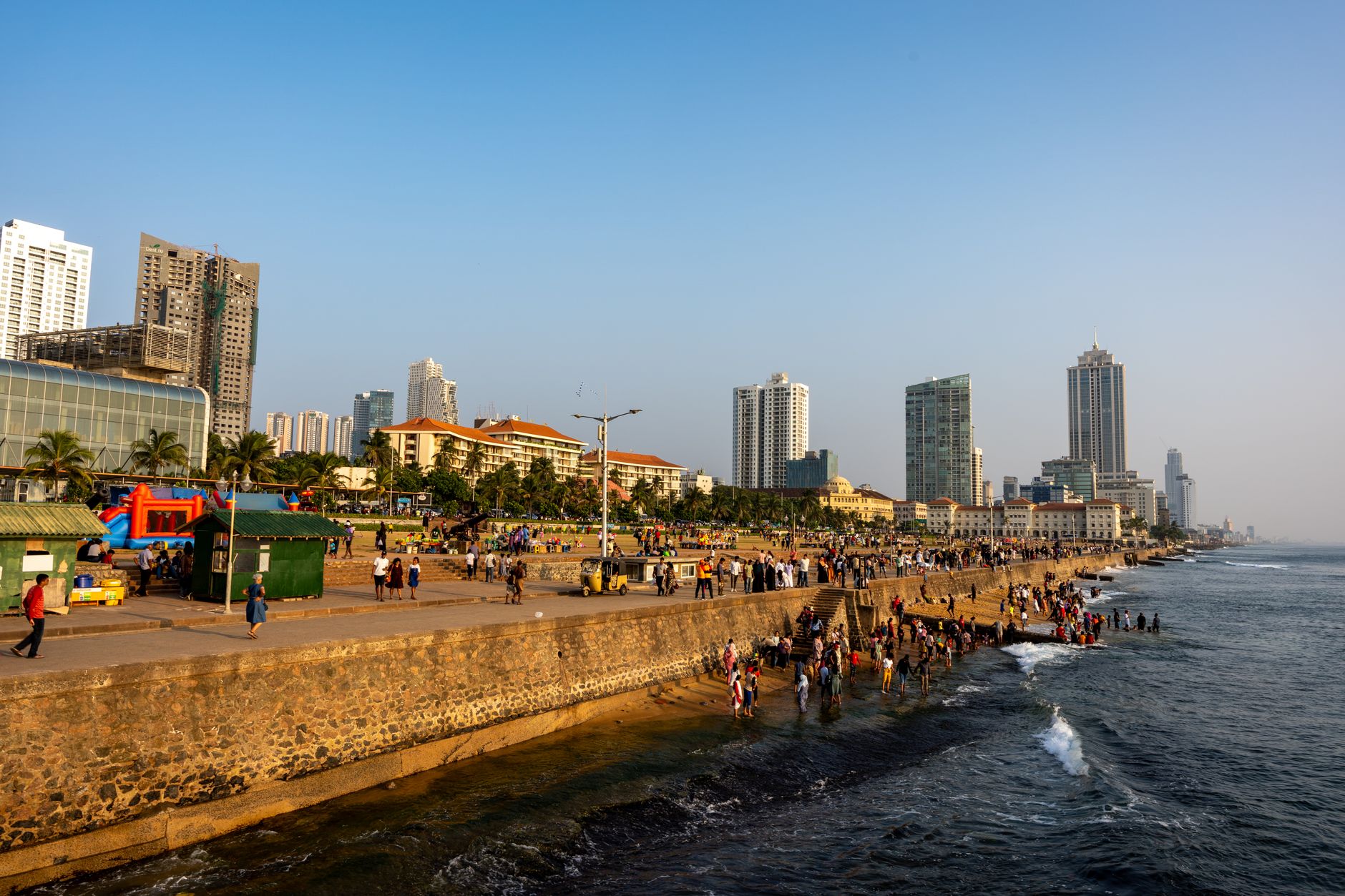
Weekend getaways, pilgrimage tourism, and leisure travel to hill stations and beaches have become increasingly popular. States like Goa, Kerala, Rajasthan, Himachal Pradesh, and Uttarakhand continue to attract large numbers of domestic tourists year-round. The government's Dekho Apna Desh initiative has further encouraged Indians to explore their own country.
International Tourist Arrivals
India welcomes approximately 10-12 million international tourists annually, though this represents a small fraction of global tourism flows compared to countries like France or Thailand. The United States, United Kingdom, Bangladesh, and Australia are among the top source markets for foreign tourists visiting India.
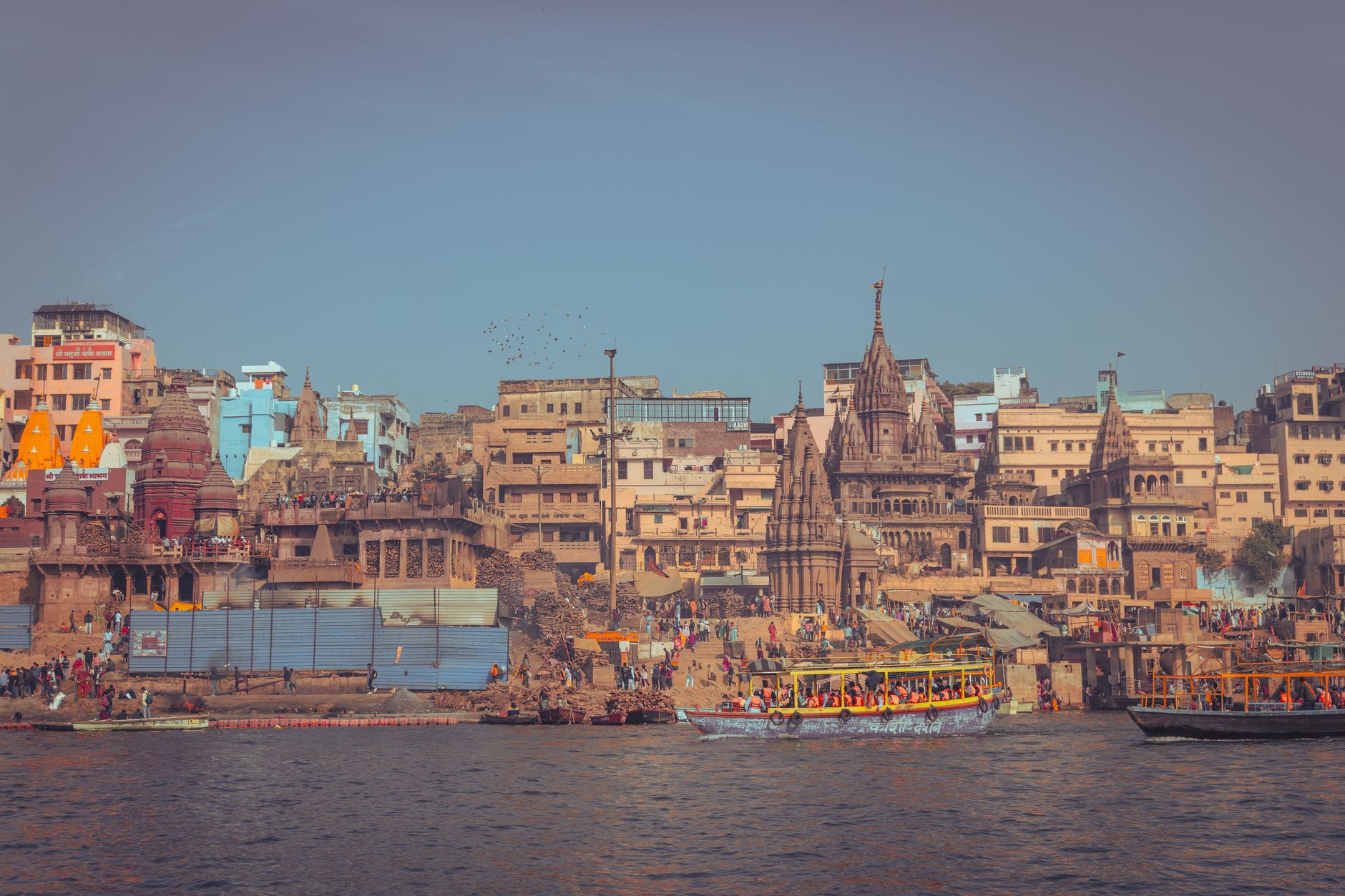
Medical tourism, spiritual tourism, and heritage tourism are key segments attracting international visitors. Cities like Delhi, Mumbai, Agra, and Jaipur form the popular Golden Triangle circuit, while destinations like Kerala and Goa appeal to leisure travelers seeking beaches and wellness experiences.
Digital Transformation and Online Booking
The Indian travel market has witnessed rapid digitization, with online travel agencies and booking platforms capturing an increasing share of transactions. Major players in the online travel space have made booking flights, hotels, and holiday packages more convenient and transparent for consumers.
Mobile apps and digital payment systems have simplified the booking process, especially for younger travelers comfortable with technology. Price comparison tools and user reviews have empowered consumers to make informed decisions, while also pushing service providers to maintain quality standards.
Infrastructure Development and Connectivity
Significant investments in infrastructure have boosted tourism potential across India. New airports, upgraded railway stations, improved highways, and better urban transportation have made destinations more accessible. The expansion of budget airlines has democratized air travel, enabling middle-class families to fly affordably to distant destinations.
The government's focus on developing tourism infrastructure through initiatives like Swadesh Darshan and PRASAD schemes has improved facilities at tourist sites, particularly pilgrimage destinations. Heritage sites are receiving facelifts, and new tourism circuits are being developed to disperse tourist traffic beyond traditional hotspots.
Challenges and Opportunities
Despite impressive growth, the sector faces challenges including seasonal fluctuations, infrastructure gaps in emerging destinations, and service quality inconsistencies. Sustainability concerns and overtourism at popular sites require careful management to preserve cultural and natural heritage.
However, opportunities abound in niche segments like adventure tourism, eco-tourism, rural tourism, and MICE (meetings, incentives, conferences, exhibitions) tourism. India's diverse geography, rich cultural heritage, and improving service standards position it well to capture a larger share of global tourism in the coming years.
The post-pandemic recovery has been strong, with pent-up demand driving a travel boom. As consumer confidence returns and international connectivity normalizes, the sector is poised for sustained growth, potentially contributing even more substantially to India's economic development and employment generation in the decade ahead.