As millions of Indian taxpayers prepare to file their income tax returns each year, many wonder how the country's tax administration compares with other developed nations. The income tax return filing process varies significantly across countries, reflecting different tax philosophies, administrative capabilities, and taxpayer populations.
India's Tax Return Landscape
India operates on a self-assessment system where individual taxpayers must file returns if their income exceeds the basic exemption limit. The country has made significant strides in digitization, with the majority of returns now filed online through the Income Tax Department's e-filing portal. The deadline for individual taxpayers is typically July 31st for the previous financial year, though this has been extended in recent years.
India offers multiple ITR forms ranging from ITR-1 (Sahaj) for salaried individuals to ITR-7 for trusts and political parties. The system requires detailed disclosure of various income sources, investments, and tax-saving instruments.
Singapore's Streamlined Approach
Singapore is often cited as having one of the world's most efficient tax systems. The Inland Revenue Authority of Singapore (IRAS) pre-fills tax returns for most residents, drawing data from employers, banks, and other institutions. Many Singaporeans can file their returns with just a few clicks, confirming pre-populated information.
The tax filing deadline in Singapore is April 15th for paper returns and April 18th for e-filing. The country's relatively simpler tax structure, with fewer deductions and exemptions compared to India, makes the process faster. Singapore also has no capital gains tax for most individuals, further simplifying matters.
The United States Model
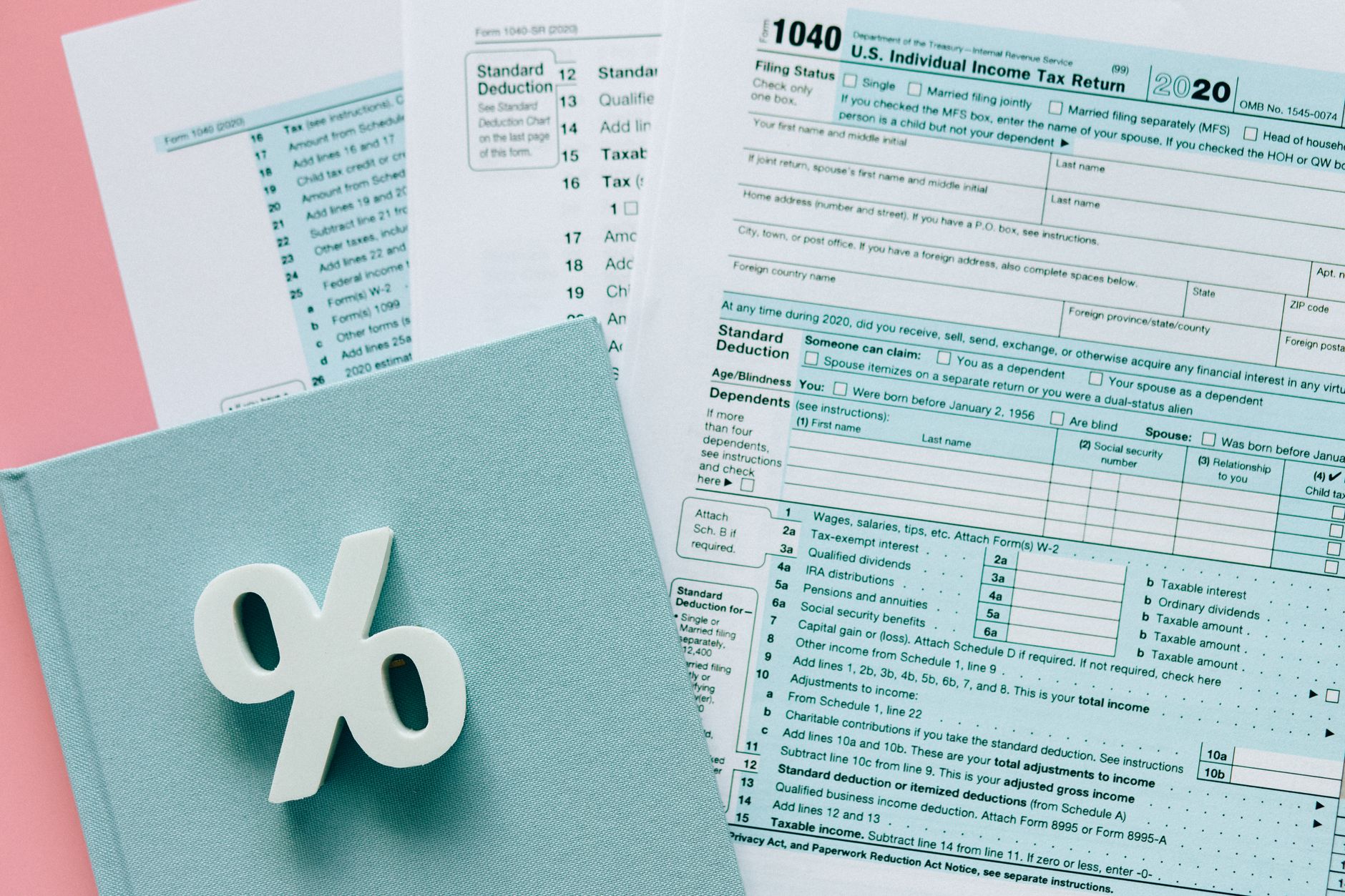
The US tax system is notably complex, with federal and often state tax returns required. Americans file taxes based on the calendar year, with the deadline typically falling on April 15th. The Internal Revenue Service (IRS) offers various forms, with Form 1040 being the standard for individual income tax.
Unlike Singapore's pre-filled system, American taxpayers must gather all documentation themselves, though employers provide W-2 forms and financial institutions issue 1099 forms. Many Americans rely on tax preparation software or professional accountants. The US system includes numerous deductions, credits, and special provisions that can make filing complicated.
United Kingdom's PAYE System
The UK operates a unique Pay As You Earn (PAYE) system for employed individuals. Most salaried workers don't need to file tax returns at all, as tax is automatically deducted by employers and reconciled by Her Majesty's Revenue and Customs (HMRC).
Self-employed individuals and those with additional income sources must file Self Assessment tax returns, with the deadline being January 31st following the end of the tax year (which runs April 6 to April 5). The UK has also moved toward digital tax administration with its Making Tax Digital initiative.
Japan's Employer-Centric System
Japan follows a system similar to the UK for salaried employees. Most Japanese workers receive year-end adjustments from their employers, eliminating the need to file returns. However, those with multiple income sources, high earners, or individuals claiming specific deductions must file a "kakutei shinkoku" (final tax return).
The filing period in Japan runs from February 16 to March 15 for the previous calendar year. Japan has been slower to adopt fully digital filing compared to some other nations, though e-Tax options are available.
Key Differences and Observations
Several factors distinguish these systems. Pre-filled returns in Singapore represent the gold standard for convenience, while India's system requires more manual input. The UK and Japan's employer-centric approaches for salaried workers reduce the filing burden on millions of citizens, something India hasn't fully adopted despite TDS (Tax Deducted at Source) mechanisms.
Digital infrastructure varies widely. India has made impressive progress with its e-filing platform, handling millions of returns annually. The US relies heavily on private sector tax software. Singapore's government-integrated approach reflects its smaller population and advanced digital governance.
Taxpayer education and support also differ. India has increased awareness campaigns and help centers, but the complexity of multiple forms and frequent rule changes creates challenges. The US benefits from a mature ecosystem of tax professionals and software, while Singapore's simpler system requires less external support.
The Road Ahead
India continues to simplify its tax filing process, introducing pre-filled returns for certain categories and improving the user interface of its portals. However, challenges remain, including the need for better data integration across government agencies and financial institutions.
This article provides general information about tax filing systems across different countries for educational purposes only. Tax laws and filing requirements change frequently and vary based on individual circumstances. Readers should consult qualified tax professionals or relevant tax authorities for advice specific to their situation.