A fresh political controversy has emerged in India's education sector, with opposition voices raising sharp questions about the leadership and competence of the current education minister. The barbed comments come at a time when the country's education system faces multiple challenges, from curriculum reforms to infrastructure gaps and concerns about examination standards.
The Political Exchange
Political discourse in India often features pointed remarks between ruling and opposition parties, and the education sector has increasingly become a battleground for such exchanges. Opposition members have been vocal about what they perceive as shortcomings in the ministry's handling of various educational matters, ranging from policy implementation to addressing concerns raised by students, parents, and educators.
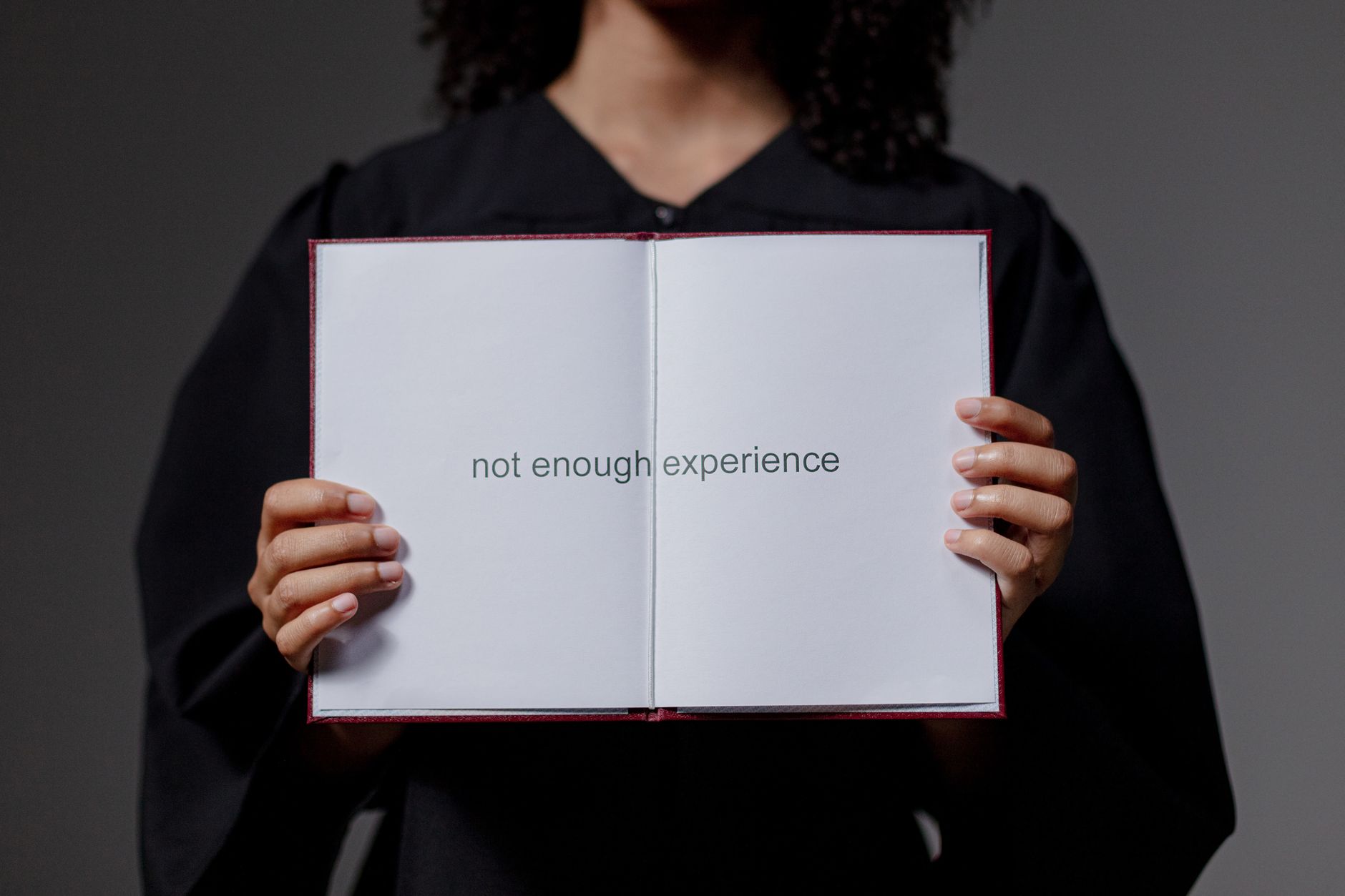
The specific criticism questioning whether the education minister knows how to write a resignation letter represents the kind of sharp political rhetoric that has become commonplace in parliamentary democracies. Such statements are typically designed to draw public attention to alleged failures while simultaneously questioning the person's fitness to hold office.
Current Challenges in Indian Education
India's education system is undergoing significant transformation, facing several pressing issues that require careful navigation by policymakers. The transition from traditional examination patterns to new frameworks, debates over curriculum content, and the integration of technology in classrooms have all created friction points.
Recent years have witnessed controversies over textbook revisions, with various stakeholders expressing concerns about the process and content of educational materials. The National Education Policy 2020 continues to be implemented across states, though the rollout has been uneven and has faced resistance in some quarters.
Key Areas of Concern
Several specific issues have drawn criticism toward the education ministry:
- Examination paper leaks and irregularities that have affected students across multiple states
- Delays in declaring results and filling teaching vacancies in government institutions
- Questions about the autonomy and functioning of educational regulatory bodies
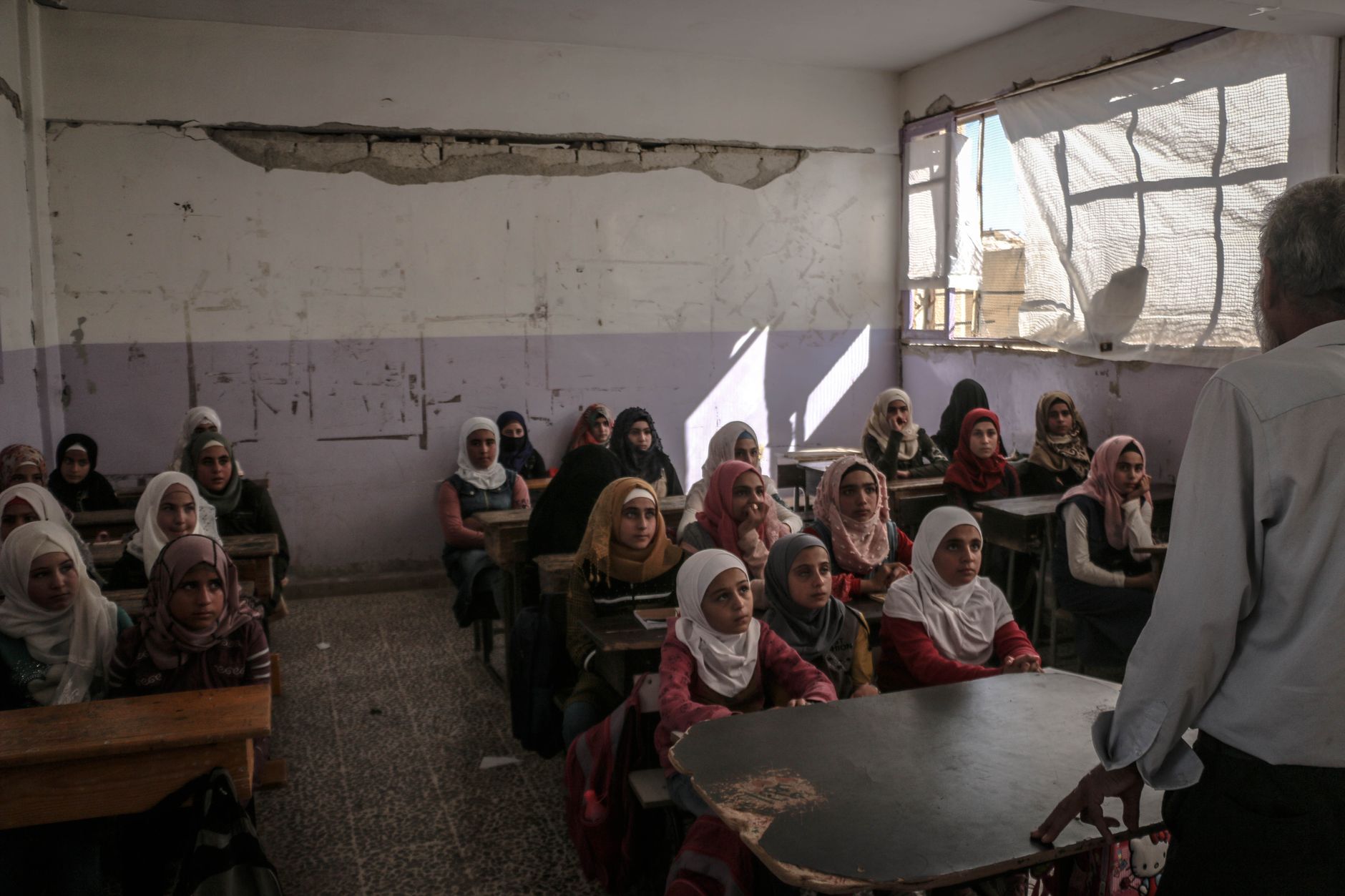
- Concerns about the quality of infrastructure in government schools
- Debates over language policies and medium of instruction
- Implementation challenges in vocational education initiatives
Political Accountability in Education
The education portfolio is considered one of the most significant in any government, as it directly impacts millions of students and shapes the country's future workforce. Ministers holding this position are expected to demonstrate not only administrative competence but also a deep understanding of pedagogical principles and educational philosophy.
When opposition parties call for resignations, they are typically highlighting what they view as systemic failures or specific incidents that demonstrate incompetence. Whether such calls are heeded depends on numerous political factors, including the ruling party's majority, public opinion, and the severity of the alleged failures.
The Role of Opposition Oversight
In a parliamentary democracy, opposition parties serve a crucial watchdog function, holding the government accountable for its actions and policies. Education, being a subject that touches every household, provides fertile ground for political scrutiny. Opposition members often use parliamentary questions, media interactions, and public statements to draw attention to issues they believe the government is mishandling.
However, critics of such political exchanges argue that they sometimes prioritize scoring political points over constructive dialogue that could actually improve the education system. The challenge lies in distinguishing between legitimate policy criticism and mere political posturing.
Impact on Educational Governance
Frequent political controversies surrounding the education ministry can have real-world consequences. They may distract from policy implementation, create uncertainty among educational institutions, and undermine public confidence in the system. Students and parents often find themselves caught in the middle of these political storms, uncertain about what changes might affect their educational journey.
At the same time, such controversies can force necessary conversations about standards, accountability, and the quality of education being provided. They can push reluctant administrations to address long-standing problems and bring transparency to decision-making processes.
Looking Forward
As India aspires to become a global knowledge hub and improve its human development indices, the education sector requires stable, competent leadership backed by adequate resources and clear vision. Whether that means changes in ministerial positions or reforms in how the education bureaucracy functions remains a subject of ongoing political debate.
The current political exchange reflects deeper questions about educational governance, ministerial accountability, and the standards to which public officials should be held in managing critical sectors that affect millions of citizens.