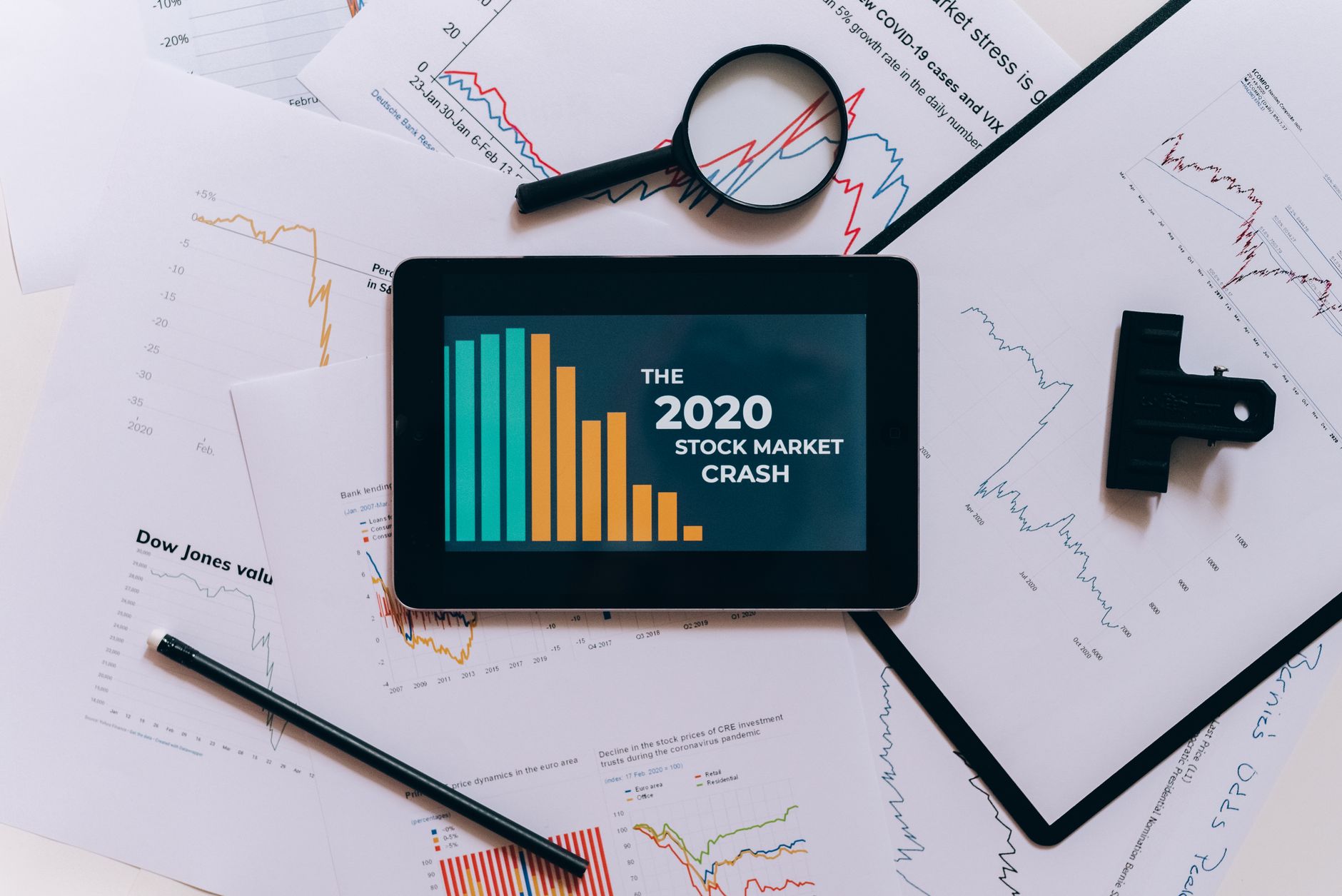
Indian stock markets experienced a severe downturn recently, with the BSE Sensex and NSE Nifty50 indices plummeting sharply, wiping out nearly Rs 8 lakh crore from investor wealth in a single trading session. This dramatic fall has left many investors worried about their portfolios and uncertain about the future direction of the markets.
What Happened on Dalal Street?
The bloodbath on Dalal Street saw broad-based selling across sectors, with both benchmark indices closing deep in the red. Market capitalization of listed companies on the BSE eroded by approximately Rs 8 lakh crore, representing one of the steepest single-day losses in recent times. Banking stocks, technology shares, and mid-cap companies bore the brunt of the selloff, with few sectors offering any refuge to investors.
Key Factors Behind the Market Crash
Several interconnected factors typically contribute to such massive market corrections:
- Global economic concerns and recession fears in major economies
- Foreign institutional investor (FII) selling due to better opportunities elsewhere
- Rising interest rates impacting borrowing costs and corporate profitability
- Geopolitical tensions affecting global trade and supply chains
- Disappointing corporate earnings or downward revisions to profit forecasts
- Overvaluation concerns after extended market rallies
- Weakening rupee adding to investor anxiety
Impact on Different Market Segments
The selloff was not limited to large-cap stocks. Mid-cap and small-cap indices often experience even sharper declines during broad market corrections, as investors rush to the relative safety of larger, more established companies. Sectoral indices across banking, information technology, automobiles, and metals all witnessed significant pressure.
Foreign institutional investors, who have been net sellers in Indian equities recently, accelerated their selling, while domestic institutional investors attempted to cushion the fall through strategic buying, though their efforts were insufficient to stem the tide.
What This Means for Retail Investors
For individual investors, such dramatic market movements can be unsettling. However, it's important to remember that stock market volatility is a normal part of investing. Markets have historically recovered from corrections and crashes, often reaching new highs over time.
The Rs 8 lakh crore loss represents paper losses—actual losses only materialize when investors sell their holdings at lower prices. Long-term investors who maintain a diversified portfolio and stay invested through market cycles typically fare better than those who panic-sell during downturns.
Historical Context and Recovery Patterns
Indian markets have weathered numerous storms in the past, including the 2008 global financial crisis, the 2020 COVID-19 pandemic crash, and various other corrections. In most cases, markets have rebounded, often within months to a couple of years, rewarding patient investors who stayed the course.
Market corrections, while painful in the short term, can also create buying opportunities for investors with cash reserves and a long-term horizon. Quality companies with strong fundamentals often become available at attractive valuations during such periods.
Should You Make Changes to Your Portfolio?
Financial experts generally advise against making hasty decisions based on short-term market movements. Instead, investors should:
- Review their asset allocation to ensure it still aligns with their risk tolerance and financial goals
- Avoid checking portfolio values obsessively during volatile periods
- Continue systematic investment plans (SIPs) to benefit from rupee cost averaging
- Focus on the quality and fundamentals of companies in their portfolio
- Consider rebalancing if certain assets have become significantly overweight or underweight
- Maintain an emergency fund to avoid forced selling during downturns
Looking Ahead
While short-term market direction remains uncertain and dependent on various domestic and global factors, India's long-term growth story remains intact. The country's demographic advantages, ongoing digital transformation, infrastructure development, and growing middle class continue to provide a solid foundation for economic growth.
Investors should maintain perspective, remembering that wealth creation in equity markets is a marathon, not a sprint. Market crashes, while uncomfortable, are temporary events in the longer journey of building wealth through equity investments.
This article is for general informational purposes only and should not be construed as financial advice. Market conditions can change rapidly, and past performance does not guarantee future results. Investors should consult with qualified financial advisors before making investment decisions based on their individual financial situation, risk tolerance, and investment objectives.