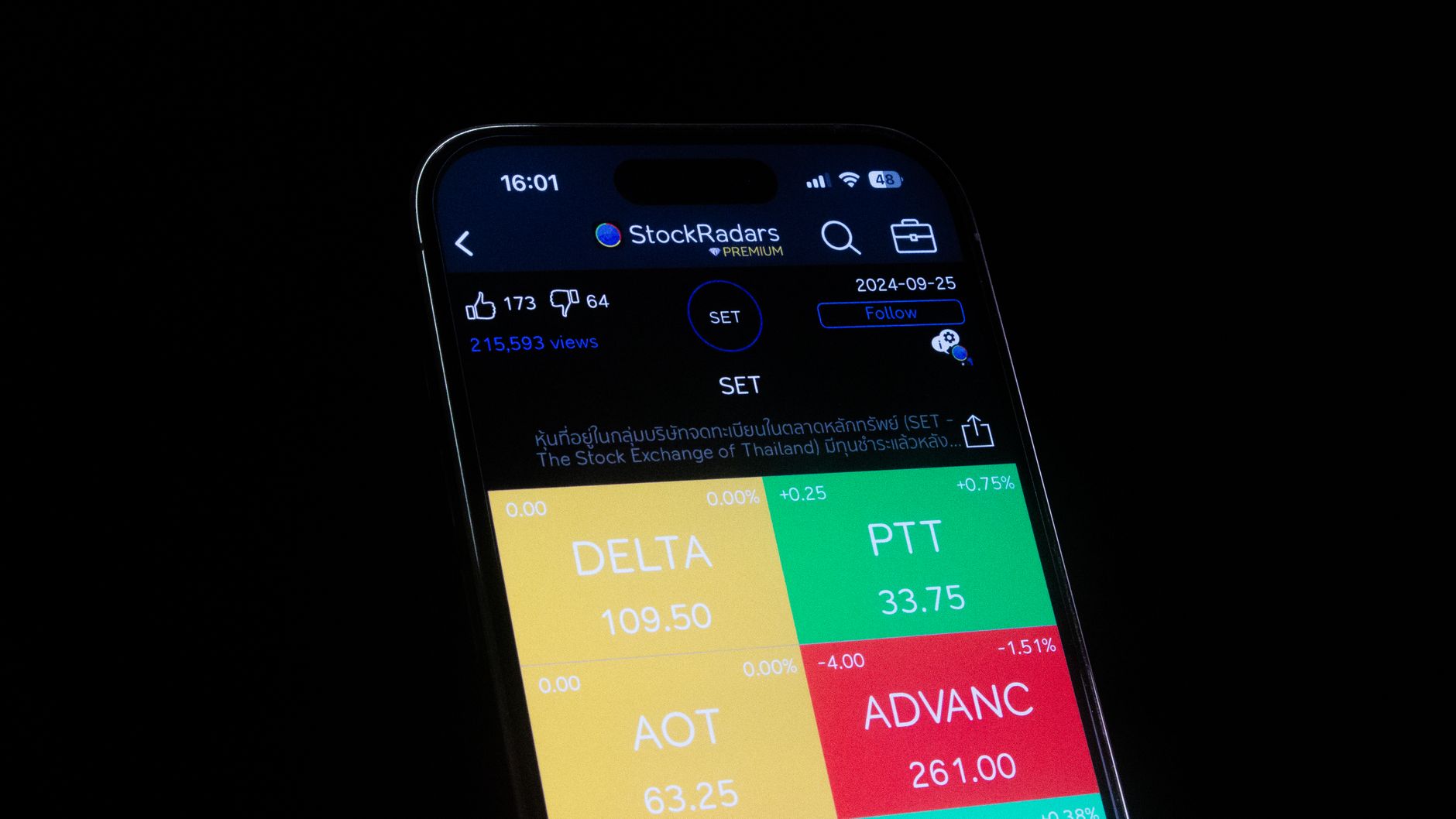
Stock recommendations from research platforms like MarketSmith India have become increasingly popular among retail and institutional investors seeking data-driven investment ideas. These recommendations typically combine technical analysis, fundamental screening, and momentum indicators to identify stocks with potential upside in the near to medium term.
Understanding Stock Recommendation Services
MarketSmith India is a stock research platform that uses proprietary screening tools to identify stocks displaying strong technical patterns and fundamental characteristics. The platform typically evaluates stocks based on parameters such as relative strength, earnings growth, sales growth, and chart patterns to generate daily or weekly recommendations.
For investors, these recommendations serve as a starting point for further research rather than direct buy signals. The Indian stock market's dynamic nature requires investors to assess their own risk tolerance, investment horizon, and portfolio allocation before acting on any third-party advice.
Key Factors in Stock Selection
When evaluating stock recommendations, several factors deserve attention:
- Relative strength compared to benchmark indices
- Volume patterns indicating institutional participation
- Earnings momentum and quarterly results trends
- Sector rotation and macroeconomic tailwinds
- Technical support and resistance levels
- Market capitalization and liquidity considerations
The current market environment in July 2025 reflects a mix of domestic growth optimism and global economic uncertainties. Monsoon progress, corporate earnings season expectations, and policy developments continue to influence sectoral performance across Indian equities.
How to Use Stock Recommendations Effectively
Receiving a stock recommendation is just the first step in the investment process. Prudent investors typically conduct additional due diligence before committing capital. This includes reviewing the company's latest financial statements, understanding its business model, assessing competitive positioning, and determining appropriate entry and exit points.
Position sizing remains crucial when acting on recommendations. Financial advisors typically suggest limiting individual stock exposure to a small percentage of the overall portfolio to manage concentration risk. Diversification across sectors, market capitalizations, and investment styles helps cushion against stock-specific volatility.
Technical vs Fundamental Approaches
MarketSmith's methodology emphasizes technical analysis combined with fundamental filters. Technical analysis focuses on price movements, trading volumes, and chart patterns to identify momentum and trend reversals. This approach can be particularly effective for short to medium-term trading strategies.
However, long-term investors may prefer deeper fundamental analysis, examining factors like return on equity, debt levels, management quality, and competitive moats. The most comprehensive approach often combines both methodologies, using technical analysis for timing decisions while fundamental analysis guides stock selection.
Risk Management Considerations
Every stock recommendation carries inherent risks regardless of the source. Market volatility, unexpected news events, sector-specific headwinds, and broader economic challenges can impact even well-researched picks. Implementing stop-loss orders, regularly reviewing portfolio performance, and staying updated on company developments help manage downside risk.
The Indian equity market has demonstrated resilience over long periods, but short-term fluctuations are inevitable. Investors should align their expectations with their investment timeframe and avoid making impulsive decisions based solely on daily recommendations.
The Importance of Independent Research
While platforms like MarketSmith India provide valuable screening and analysis tools, they cannot account for individual investor circumstances. Tax implications, existing portfolio holdings, cash flow requirements, and personal financial goals all influence investment suitability.
Consulting with a registered investment advisor can help investors interpret recommendations within their broader financial plan. Professional advisors can also assist with portfolio rebalancing, tax optimization, and goal-based investment strategies that extend beyond individual stock picks.
Tracking and Reviewing Performance
Investors who follow stock recommendations should maintain detailed records of their transactions, including entry prices, position sizes, and the rationale behind each investment. Periodic portfolio reviews help identify what strategies work best for individual risk profiles and enable continuous learning from both successful and unsuccessful investments.
This article is for general informational purposes only and should not be construed as financial advice. Stock market investments carry risks, and past performance does not guarantee future results. Readers should conduct their own research and consult with qualified financial advisors before making investment decisions.