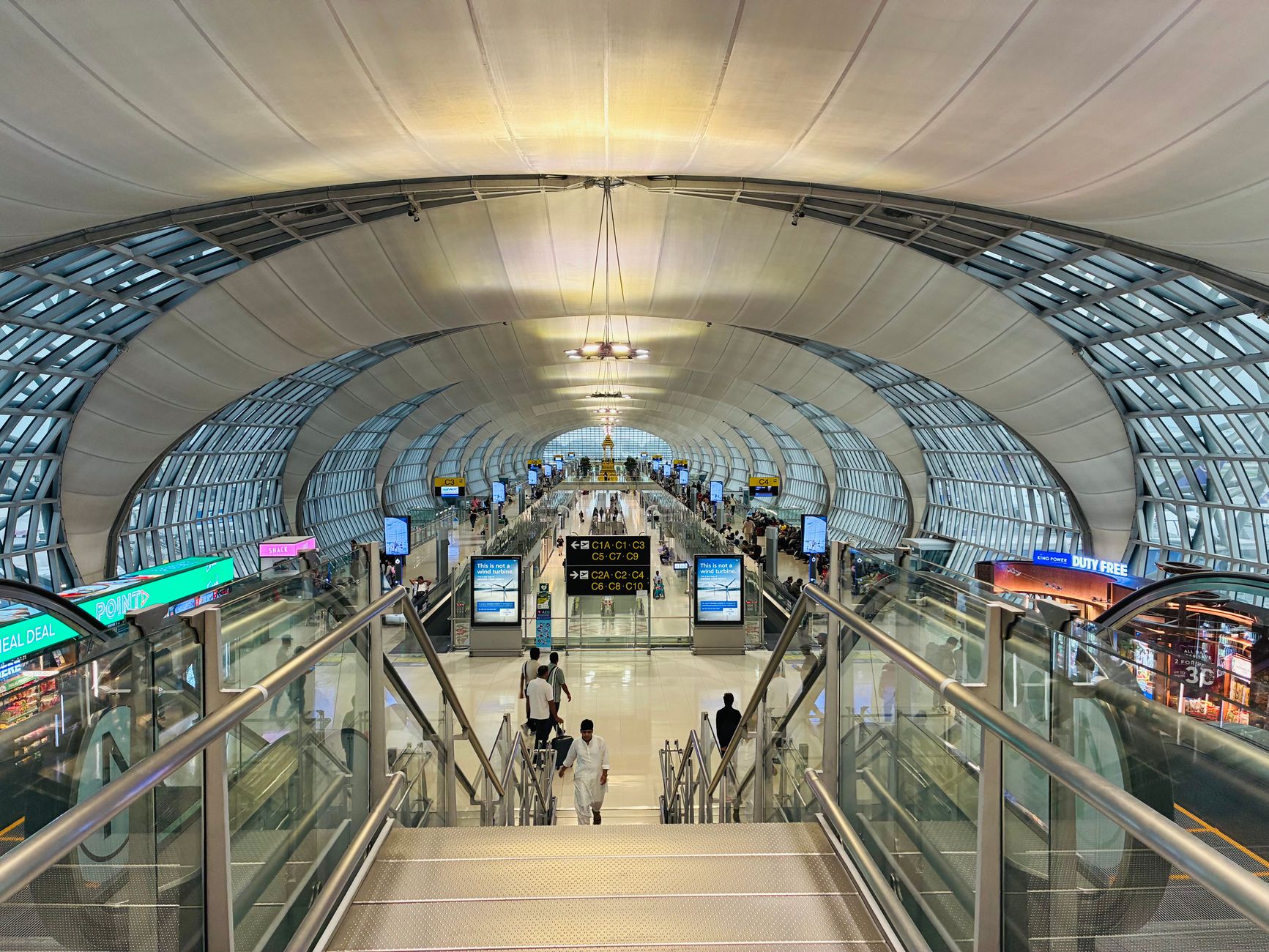
Thailand has reaffirmed its commitment to attracting Indian tourists by continuing its visa-free entry policy, even as the Southeast Asian nation grapples with a significant decline in overall tourist arrivals. The decision underscores the strategic importance of the Indian market to Thailand's tourism industry, which contributes substantially to the country's economy.
The New 30-Day Visa-Free Policy
The Thai government has implemented a revised visa-free entry scheme that allows Indian passport holders to stay in the country for up to 30 days without obtaining a visa in advance. This represents a significant improvement over previous arrangements and positions Thailand competitively against other popular Asian destinations vying for Indian tourist dollars.
The extension from shorter visa-free periods or visa-on-arrival options eliminates bureaucratic hurdles that previously deterred some Indian travelers. This streamlined approach means tourists can now plan month-long holidays without the hassle of visa applications, encouraging longer stays and potentially higher spending within the Thai economy.
Why India Matters to Thailand's Tourism
India has emerged as one of Thailand's fastest-growing source markets for international visitors over the past decade. Before recent global disruptions, hundreds of thousands of Indian tourists visited Thailand annually, drawn by the country's beaches, cultural attractions, shopping opportunities, and relatively affordable luxury experiences.
Indian travelers typically spend considerable amounts on accommodation, dining, entertainment, and shopping, making them economically valuable visitors. Furthermore, Indian tourists often travel in family groups, book longer stays, and visit during off-peak seasons, helping to balance tourism flows throughout the year.
The Indian middle class continues to expand, with growing disposable incomes and an increasing appetite for international travel. Thailand recognizes that maintaining easy access for this demographic is crucial for long-term tourism sustainability.
Impact on Different Types of Travelers
The 30-day visa-free window accommodates various travel purposes beyond traditional tourism. Business travelers can now conduct extended negotiations, attend multiple meetings, or explore partnership opportunities without visa complications. Digital nomads and remote workers gain flexibility to experience Thailand while maintaining their professional commitments.
Leisure travelers benefit most significantly, as 30 days allows for comprehensive exploration of Thailand's diverse regions. Visitors can now comfortably tour Bangkok's urban attractions, relax on southern beaches, experience northern mountain cultures, and explore northeastern heritage sites within a single trip.
Medical tourists, another important segment, can schedule treatments, complete recovery periods, and enjoy post-procedure relaxation without rushing to meet visa deadlines.
Addressing the Tourist Decline
Despite maintaining visa-free access, Thailand has experienced declining tourist numbers from various markets due to multiple factors including global economic uncertainty, increased competition from emerging destinations, and changing travel preferences post-pandemic.
The visa policy liberalization represents Thailand's proactive strategy to reverse these trends. By removing entry barriers, Thai authorities aim to capture market share from competitors and encourage repeat visits from satisfied Indian travelers who might have previously chosen destinations with simpler entry requirements.
Planning Considerations for Indian Travelers
Indian tourists planning to take advantage of the 30-day visa-free entry should remember several important points. The visa-free privilege is typically for tourism purposes, with specific restrictions on employment or long-term business activities. Travelers must hold passports valid for at least six months beyond their intended stay.
Proof of onward travel, such as return flight tickets, may be requested at immigration. While not always checked, having confirmed accommodation bookings and demonstrable financial means for the trip duration is advisable.
The 30-day period is usually non-extendable under the visa-free scheme, meaning travelers wanting longer stays must explore alternative visa categories before arrival.
Future Outlook for Indo-Thai Tourism
Thailand's commitment to maintaining accessible entry for Indian travelers signals optimism about the market's recovery potential. As air connectivity improves and more airlines introduce competitive routes between Indian cities and Thai destinations, travel costs may decrease further, stimulating demand.
The tourism infrastructure in Thailand continues adapting to Indian preferences, with more vegetarian food options, Hindi-speaking staff, and Bollywood-themed entertainment becoming common in tourist areas. These cultural accommodations enhance the appeal for Indian families and first-time international travelers.
This article provides general information about Thailand's visa policies for Indian travelers. Visa requirements and immigration policies can change without notice. Travelers should verify current entry requirements with official Thai embassy or consulate sources before making travel arrangements. Individual circumstances may affect eligibility for visa-free entry.