The period between 2016 and 2026 will be remembered as a watershed moment in Indian tourism, marking a fundamental shift in how the country positions itself on the global travel map and how its own citizens engage with domestic destinations.
The Digital Revolution in Travel Planning
The transformation began with the democratization of travel information. A decade ago, planning a trip often meant relying on travel agents or outdated guidebooks. Today, integrated digital platforms allow travelers to research destinations, book accommodations, compare prices, and read authentic reviews—all from their smartphones.
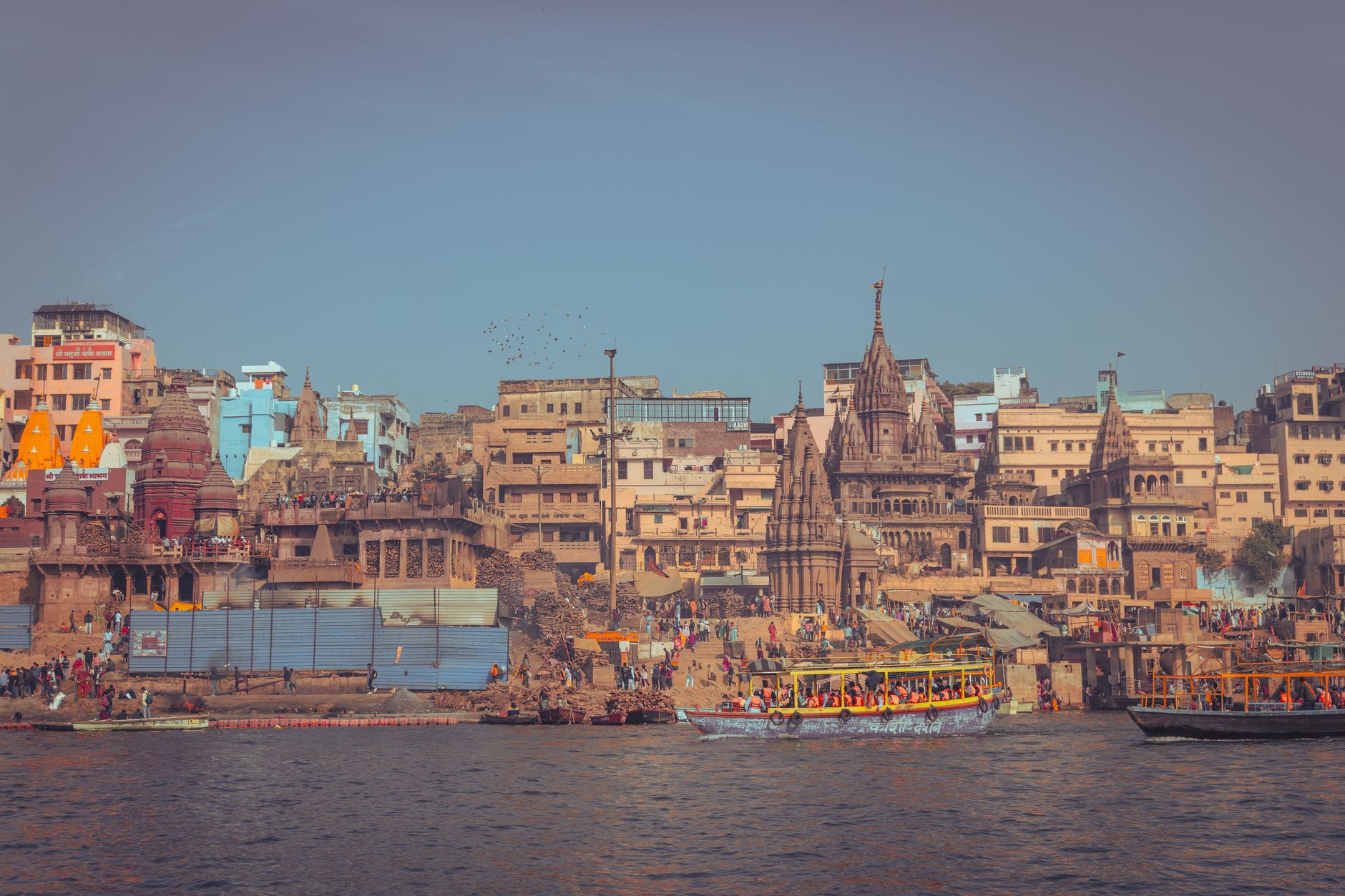
The widespread adoption of UPI and digital payment systems eliminated one of the biggest pain points for both domestic and international tourists. From street food vendors in Varanasi to homestays in remote Himalayan villages, cashless transactions became the norm, making travel smoother and more accessible.
Infrastructure Development and Connectivity
Perhaps no factor contributed more to tourism growth than the massive infrastructure push. The expansion of airport networks transformed tier-2 and tier-3 cities into accessible destinations. Cities like Guwahati, Bhubaneswar, and Vijayawada now enjoy regular international connectivity, opening up entire regions to tourism.
The highway network expansion connected previously isolated destinations. The journey that once took twelve hours on winding roads now takes six on modern expressways, fundamentally changing the economics of weekend getaways and short trips.
Railway modernization, including the introduction of Vande Bharat trains on numerous routes, made train travel a preferred choice rather than a necessity. The improved experience brought back middle-class travelers who had shifted to air travel, while also attracting international tourists seeking authentic Indian experiences.
The Rise of Experiential and Sustainable Tourism
Indian travelers evolved significantly over this decade. The checklist-style vacation—visiting monuments, taking selfies, moving on—gave way to experiential travel. Homestays in rural areas, cooking classes with local families, wildlife conservation volunteering, and cultural immersion programs gained popularity.
The sustainability movement took root in Indian tourism. Destinations like Ladakh, Sikkim, and Kerala implemented carrying capacity limits and promoted responsible tourism. Plastic-free zones became common in sensitive ecological areas. Tour operators began offering carbon-neutral packages and promoting off-season travel to reduce overtourism.
Regional Tourism Coming of Age
While golden triangle circuits and popular beach destinations continued to thrive, lesser-known regions emerged as serious contenders. The Northeast witnessed unprecedented growth, with states like Meghalaya, Arunachal Pradesh, and Mizoram becoming trendy destinations among young travelers.
Central India's heritage circuit gained recognition, with destinations beyond the usual suspects attracting cultural tourists. The promotion of tribal tourism, heritage walks in small towns, and revitalization of ancient trade routes created entirely new tourism economies.
Technology-Enabled Personalization
Artificial intelligence and machine learning transformed how tourism services are delivered. Personalized itinerary suggestions based on individual preferences, real-time translation services breaking language barriers, and augmented reality enhancing heritage site visits became standard offerings.
Virtual reality previews allowed potential travelers to experience destinations before booking, while post-trip, these same technologies helped preserve memories in innovative ways.
The Medical and Wellness Tourism Boom
India consolidated its position as a global leader in medical tourism, combining world-class healthcare facilities with significantly lower costs. Simultaneously, wellness tourism exploded, with yoga retreats, Ayurvedic centers, and meditation facilities attracting international visitors seeking holistic health experiences.
Challenges and the Path Forward
The transformation wasn't without growing pains. Popular destinations struggled with overtourism, infrastructure sometimes couldn't keep pace with demand, and concerns about cultural commodification emerged. Environmental degradation at some sites raised questions about balancing economic benefits with conservation.
The coming years will determine whether India can maintain growth while addressing these challenges—preserving authenticity, ensuring local communities benefit equitably, and protecting the natural and cultural heritage that makes tourism possible.
A New Tourism Identity
As this decade closes, India has successfully repositioned itself from a bucket-list destination visited once to a country offering diverse, repeatable experiences. The domestic tourism market matured into a powerful economic force, while international arrivals reached unprecedented levels.
The transformation of Indian tourism over these ten years reflects broader changes in Indian society—rising incomes, changing aspirations, digital adoption, and a growing appreciation for the country's incredible diversity. The next decade will build on this foundation, potentially establishing India among the world's top five tourism destinations.