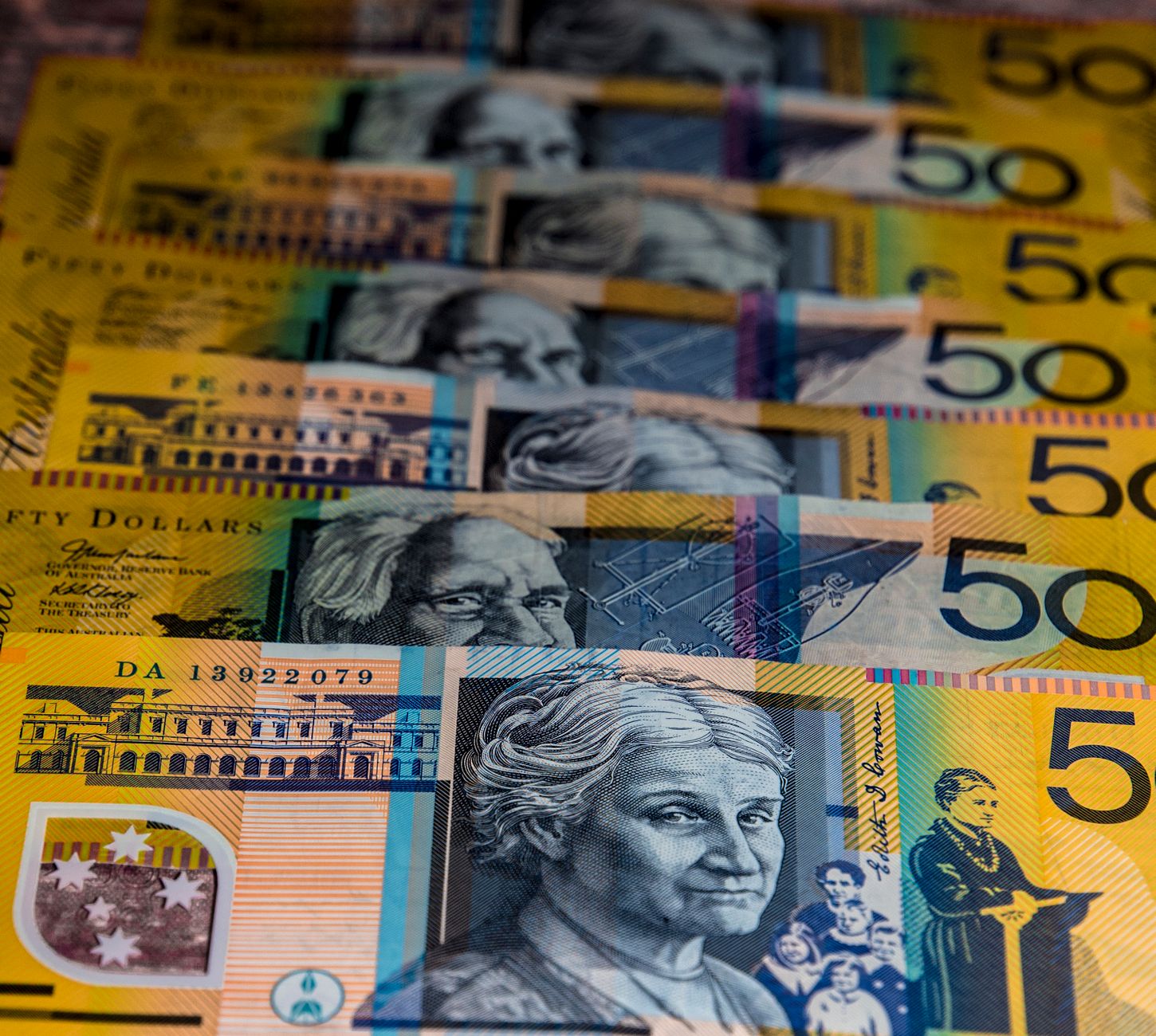
The global shift from paper to polymer banknotes has accelerated over the past decade, with countries from Canada to Australia leading the charge. While these plastic notes offer tangible benefits, they also present a complex investment landscape that deserves closer examination.
Understanding Polymer Currency
Polymer banknotes are made from a thin, flexible plastic film, typically biaxially-oriented polypropylene (BOPP). Unlike traditional cotton-paper notes, these plastic alternatives can last two to four times longer, resist water damage, and incorporate sophisticated security features that make counterfeiting significantly more difficult.
Currently, over 50 countries have adopted polymer notes either partially or completely. The Reserve Bank of India has explored this option periodically, conducting trials and feasibility studies, though widespread adoption remains under consideration.
The Investment Case: Winners and Losers
The transition to polymer currency creates distinct investment opportunities and challenges across several sectors.
Manufacturing companies specializing in polymer substrate production stand to benefit substantially. The market is relatively concentrated, with a handful of specialized firms dominating global supply. These companies possess proprietary technologies that create high barriers to entry, potentially translating to sustained profit margins.
Traditional currency paper manufacturers face the opposite scenario. Companies that have supplied cotton-based security paper to central banks for decades must pivot or risk obsolescence. This creates potential value traps for investors who fail to recognize the shifting landscape.
Banking infrastructure providers also enter the equation. Polymer notes require different handling, sorting, and authentication equipment. Financial institutions must invest in upgrading ATMs, counting machines, and verification systems, creating demand for specialized technology suppliers.
The Hidden Costs Nobody Discusses
Despite their durability advantages, polymer notes present environmental and economic complications that affect long-term investment calculations.
The production process for polymer notes is more energy-intensive than paper alternatives, raising questions about carbon footprints and environmental sustainability. While paper notes biodegrade naturally, plastic notes require specialized recycling processes. Many countries lack adequate facilities for polymer note recycling, leading to disposal challenges.
Cost considerations also prove tricky. While polymer notes last longer, they cost approximately 50-60% more to produce initially. The economic benefit materializes only over the notes' extended lifespan. For developing economies with budget constraints, this upfront premium presents a significant hurdle, potentially slowing adoption rates and affecting market growth projections.
The Technology Arms Race
Security features represent both an advantage and an ongoing cost center. Polymer notes accommodate advanced security elements including transparent windows, holographic images, and color-shifting elements. However, counterfeiters continuously evolve their techniques, necessitating regular redesigns and upgrades.
This creates a perpetual revenue stream for security printing companies and technology providers, but also means central banks face recurring capital expenditures. Investors must evaluate whether companies in this space can maintain their technological edge and pricing power.
Regional Adoption Patterns
Geographic factors significantly influence investment timing and opportunity. Developed nations with advanced banking infrastructure can absorb transition costs more easily, but many have already completed their shifts to polymer currency, limiting future growth potential in these markets.
Emerging markets represent the next frontier, but adoption depends on complex factors including manufacturing capability, environmental concerns, counterfeiting rates, and fiscal priorities. India's potential adoption alone could reshape global market dynamics given the economy's size and currency volume.
Currency Lifespan and Economic Modeling
Investors must understand that longer-lasting currency affects replacement cycles and demand forecasting. If polymer notes truly last three times longer than paper alternatives, this fundamentally alters the recurring revenue model for suppliers. A transition period creates a demand surge, but steady-state production volumes could ultimately decline.
Risk Factors to Monitor
Several variables could disrupt current investment theses around polymer currency. Digital payment adoption continues accelerating globally, potentially reducing physical currency demand across the board. Policy changes regarding cash usage, environmental regulations affecting plastic products, and breakthrough technologies in either counterfeiting or security features could all reshape the competitive landscape.
Additionally, geopolitical considerations matter. Currency production carries national security implications, and countries often prefer domestic or regional suppliers. International investors must navigate these preferential treatment dynamics.
The Verdict for Investors
Polymer banknotes present neither a clear-cut opportunity nor a straightforward avoid scenario. Success requires identifying companies with sustainable competitive advantages, understanding regional adoption timelines, and maintaining realistic expectations about long-term demand dynamics in an increasingly digital economy.
This article is for general informational purposes only and should not be construed as investment advice. Readers should conduct their own research and consult with qualified financial advisors before making investment decisions.