Tourism Malaysia has announced an expanded strategy to tap into India's burgeoning travel market by focusing on tier-II cities in Maharashtra, moving beyond the traditional metropolitan hubs of Mumbai and Pune. This strategic shift reflects a broader trend in international tourism marketing that recognizes the rising affluence and wanderlust of India's smaller cities.
Why Tier-II Cities Matter
India's tier-II cities have emerged as significant contributors to outbound tourism in recent years. Cities like Nagpur, Nashik, Aurangabad, and Kolhapur have witnessed rapid economic growth, with expanding middle-class populations and increasing disposable incomes. These urban centers now boast improved connectivity through airports and highways, making international travel more accessible than ever before.
The spending patterns of tier-II city travelers are particularly attractive to destination marketers. Unlike their metropolitan counterparts who may be more price-sensitive due to higher cost of living, tier-II city residents often have greater purchasing power relative to their expenses, making them willing to spend on premium travel experiences.
Malaysia's Appeal to Indian Travelers
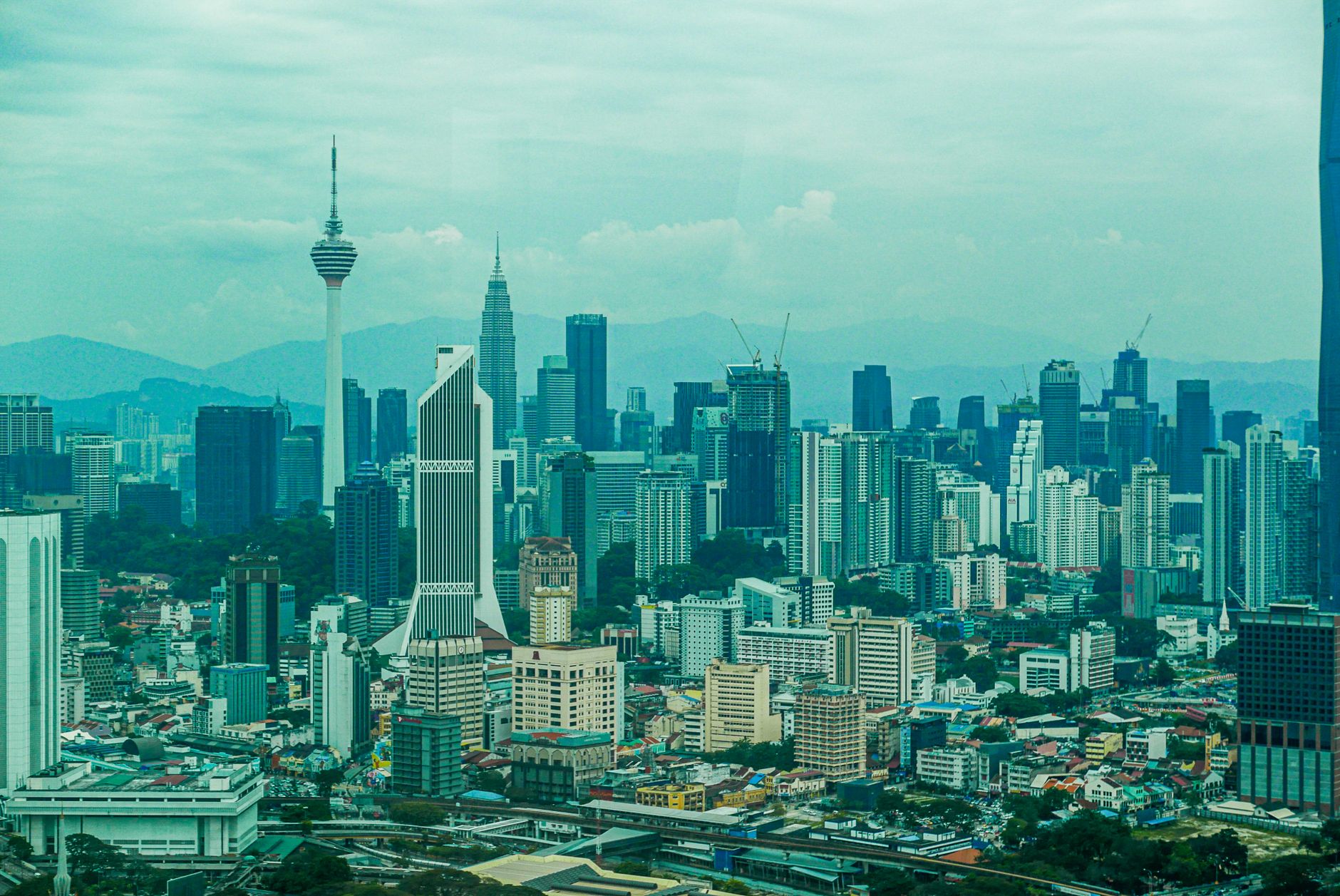
Malaysia has long been a favorite destination for Indian tourists, offering a compelling mix of cultural familiarity, value for money, and diverse experiences. Several factors contribute to its popularity:
- Significant Indian diaspora presence, particularly in Kuala Lumpur, making it culturally comfortable
- Halal food availability alongside Indian cuisine options
- Visa-free entry for Indian passport holders for stays up to 30 days
- Relatively short flight times from Indian cities
- English widely spoken, easing communication barriers
- Tropical weather appealing to Indian travelers year-round
What the Outreach Strategy Entails
Tourism Malaysia's tier-II outreach likely involves multiple engagement channels designed to build awareness and inspire travel bookings. These typically include partnerships with local travel agents who understand regional preferences, roadshows and travel exhibitions in target cities, and collaborations with regional airlines to improve connectivity.
The tourism board may also focus on tailored marketing messages that resonate with tier-II audiences. While metropolitan travelers might be attracted to cosmopolitan Kuala Lumpur or luxury resorts, tier-II city travelers often seek family-friendly experiences, nature tourism, shopping opportunities, and religious or cultural sites.
Broader Implications for Tourism
Malaysia's strategic focus on Maharashtra's tier-II cities signals a maturation of the Indian outbound travel market. Other destinations are likely watching closely and may adopt similar strategies. The move also benefits travelers in these cities by bringing more destination options and competitive pricing to their doorstep, rather than requiring them to travel to major cities for travel planning services.
For the travel trade in these regions, this represents significant business opportunities. Local travel agents can expect increased support from destination marketing organizations, better commission structures, and enhanced training opportunities to help them sell Malaysia more effectively.
Economic Impact
The economic implications extend both ways. For India, outbound tourism from tier-II cities represents growing economic confidence and improved quality of life. For Malaysia, diversifying its Indian source market reduces dependency on metropolitan travelers and taps into a less saturated segment with room for growth.
Maharashtra's tier-II cities collectively represent millions of potential travelers. Even capturing a small percentage of this market could translate to substantial visitor numbers for Malaysia, contributing to its tourism recovery goals following recent global challenges.
The Future of India-Malaysia Tourism
This expansion into tier-II cities positions Malaysia to strengthen its already significant share of Indian outbound tourism. As infrastructure continues to improve in these cities and as international travel becomes increasingly normalized among their residents, the potential for growth remains substantial.
The success of this initiative could serve as a blueprint for how destination marketing organizations should approach India's complex and geographically diverse travel market, recognizing that opportunity exists well beyond the major metros.