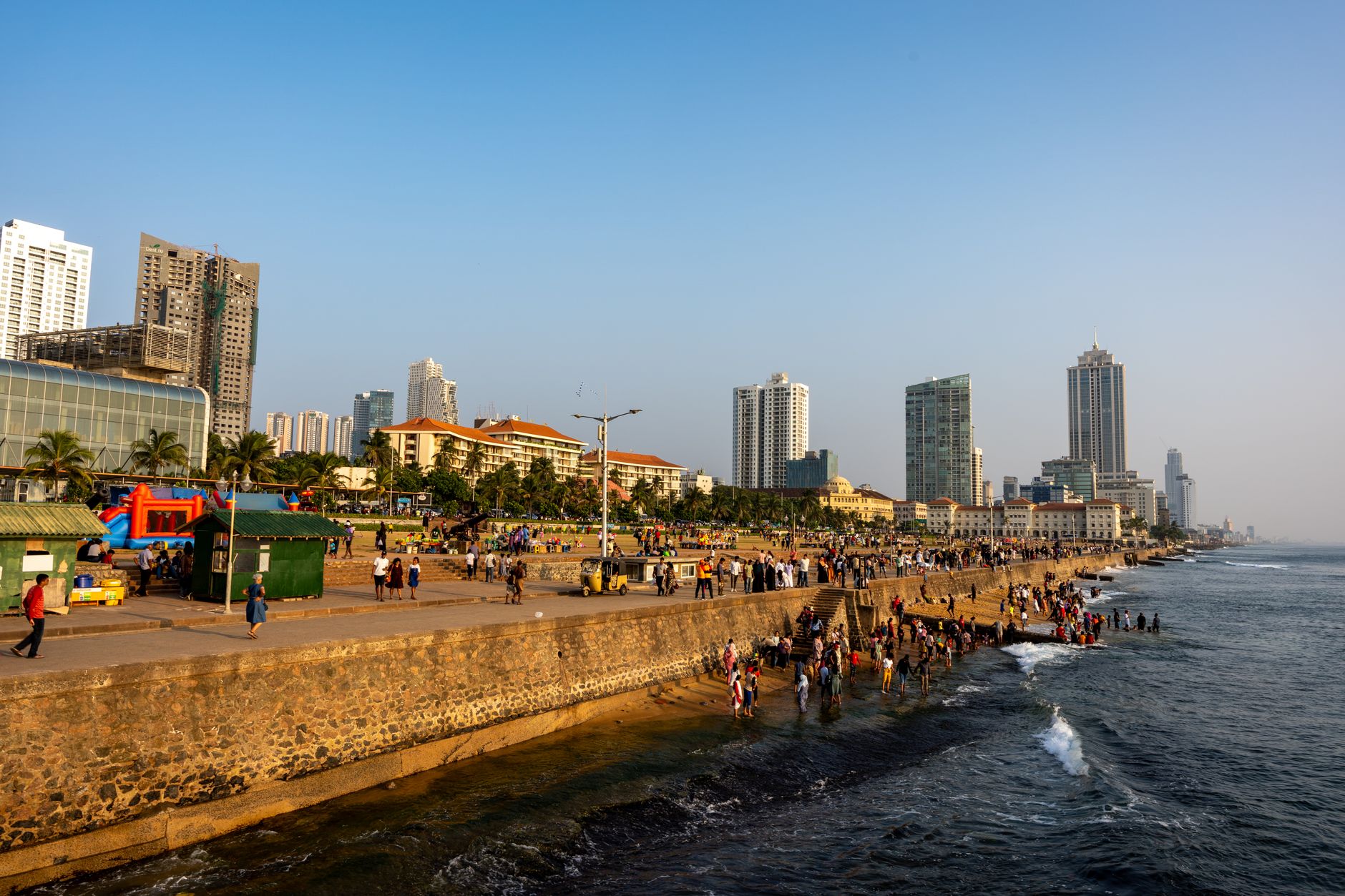
The global travel and tourism industry is poised for remarkable growth over the next decade, with projections indicating it will expand at a rate 1.5 times faster than the broader global economy. This optimistic forecast marks a significant turnaround from the pandemic-era devastation and suggests that wanderlust remains a powerful economic force worldwide.
Understanding the Growth Trajectory
The anticipated acceleration in travel and tourism growth reflects multiple converging factors. As economies worldwide continue their post-pandemic recovery, disposable incomes are rising in key markets, particularly across Asia, the Middle East, and parts of Africa. This expanding middle class represents hundreds of millions of potential travelers seeking both domestic and international experiences.
The sector's projected growth rate substantially outpacing global GDP indicates that travel is not merely recovering but fundamentally transforming into an even more significant component of the world economy. Industry analysts suggest this rapid expansion will contribute trillions of dollars to global GDP and create millions of new jobs across hospitality, transportation, entertainment, and related services.
Key Drivers Behind the Boom
Several powerful trends are propelling this accelerated growth. Digital transformation has made travel more accessible and affordable than ever before. Online booking platforms, price comparison tools, and digital payment systems have democratized travel planning, enabling more people to explore destinations that were previously difficult or expensive to access.
The rise of experience-driven consumption, particularly among younger generations, has shifted spending priorities. Millennials and Gen Z travelers increasingly prioritize experiences over material possessions, dedicating larger portions of their budgets to travel and tourism activities. This demographic shift is fundamentally reshaping the industry's growth patterns.
Remote work arrangements, which became widespread during the pandemic, have also contributed to this trend. The concept of "workations" and digital nomadism has blurred the lines between business and leisure travel, creating new categories of travelers who spend extended periods in destinations while maintaining their professional commitments.
Regional Variations and Opportunities
The growth will not be uniform across all regions. Asia-Pacific markets, led by China and India, are expected to contribute substantially to the sector's expansion. India's domestic tourism market alone is experiencing explosive growth, with improved infrastructure, simplified visa processes, and aggressive destination marketing campaigns attracting both domestic and international visitors.
The Middle East has positioned itself as a major tourism hub, with countries like the UAE and Saudi Arabia investing heavily in infrastructure, entertainment complexes, and cultural attractions. These investments are designed to diversify economies away from oil dependence and establish these nations as premier tourism destinations.
Traditional tourism powerhouses in Europe and North America will also benefit, though their growth rates may be more moderate due to market maturity. However, these regions are innovating through sustainable tourism initiatives, heritage preservation, and experiential offerings that command premium pricing.
Challenges and Considerations
Despite the rosy projections, the industry faces significant challenges. Climate change concerns are prompting calls for more sustainable tourism practices, with travelers increasingly conscious of their carbon footprints. Airlines and hospitality operators are investing in sustainability initiatives, from carbon offset programs to eco-friendly accommodations.
Infrastructure constraints in many popular destinations present another hurdle. Overtourism in certain locations has led to environmental degradation and strained local communities, prompting some destinations to implement visitor caps or higher fees to manage demand.
Geopolitical tensions, economic uncertainties, and the ever-present risk of health crises could also disrupt growth trajectories. The industry has learned valuable lessons about resilience and flexibility from recent challenges, but vulnerability to external shocks remains inherent to the sector.
Investment and Employment Implications
For investors, this growth forecast presents compelling opportunities across various segments, from hotel chains and airlines to technology platforms and experience providers. Governments worldwide are recognizing tourism's economic potential and implementing policies to capture a larger share of this expanding market.
The employment implications are equally significant. Tourism is labor-intensive and creates jobs across skill levels, from entry-level hospitality positions to specialized roles in marketing, technology, and management. The sector's expansion could provide crucial employment opportunities in developing economies seeking to reduce poverty and boost economic development.
As the travel and tourism industry prepares for this period of accelerated growth, stakeholders across the ecosystem must balance expansion with sustainability, ensuring that the sector's success benefits both businesses and the destinations and communities that host millions of visitors annually.