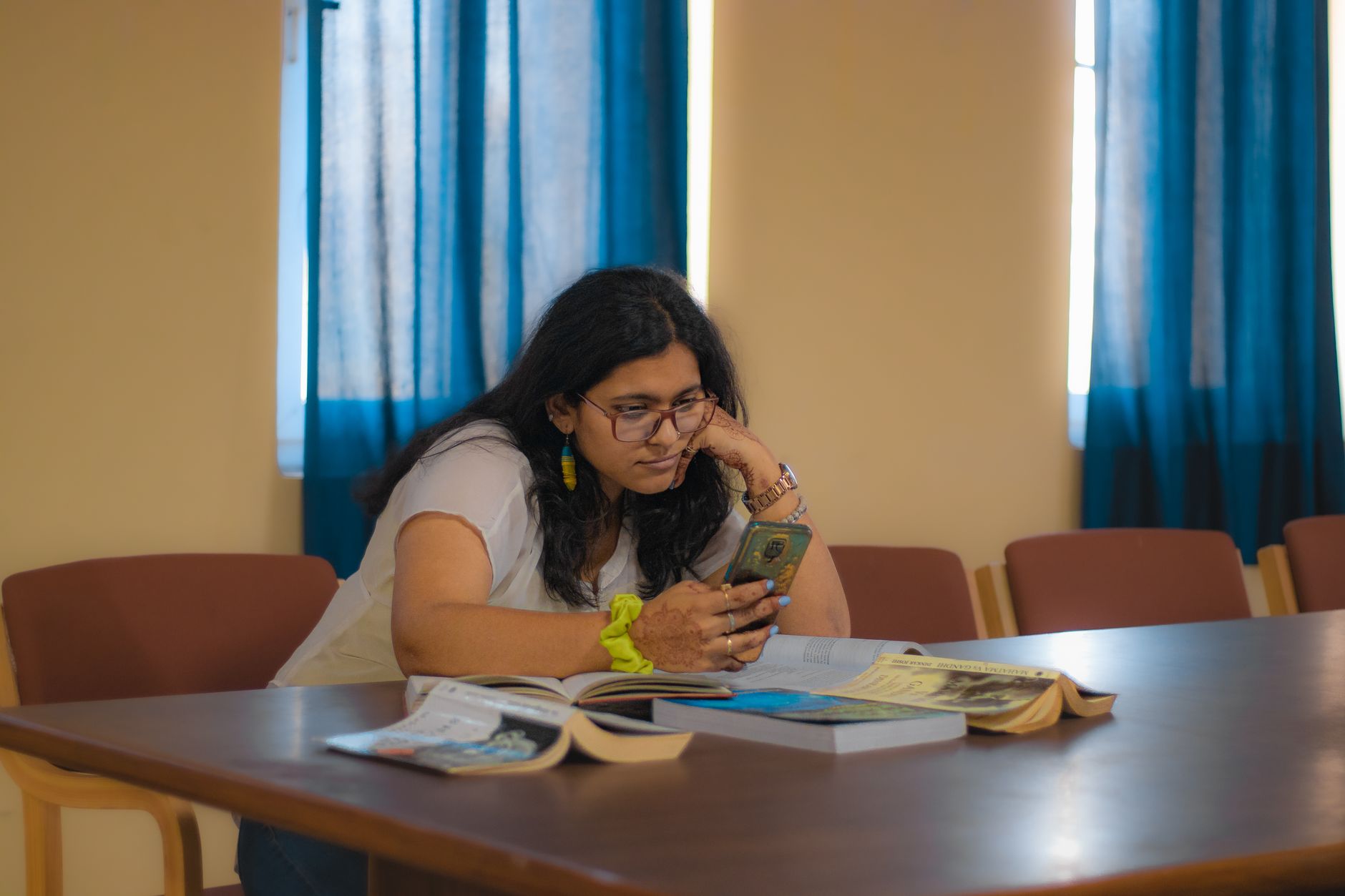
The All India Survey on Higher Education (AISHE) has revealed a concerning trend in Indian higher education: a decline in undergraduate programme enrolment. This development has sparked discussions among educators, policymakers, and parents about the underlying causes and potential long-term implications for India's workforce and economic development.
Understanding the AISHE Findings
The All India Survey on Higher Education is an annual comprehensive survey conducted by the Ministry of Education to collect data on various aspects of higher education in India. The survey covers metrics including student enrolment, infrastructure, faculty details, and financial resources across universities and colleges nationwide.
The recent data indicates that fewer students are enrolling in traditional three-year and four-year undergraduate degree programmes. This marks a shift from the previous trend of steady growth in higher education participation, which had been a hallmark of India's educational expansion over the past two decades.
Factors Contributing to the Decline
Several interconnected factors appear to be driving this downturn in undergraduate enrolment.
Economic pressures have intensified for many Indian families, particularly in the wake of global economic uncertainties and inflation. The cost of higher education, including tuition fees, accommodation, books, and related expenses, has become increasingly burdensome for middle-class and lower-income households. Many young people are opting to enter the workforce immediately after secondary education rather than pursuing degree programmes.
The rise of alternative education pathways has also played a significant role. Vocational training programmes, skill development courses, and online certification platforms have gained popularity as they often promise quicker entry into employment. Students and parents increasingly view these options as more practical and cost-effective compared to traditional undergraduate degrees.
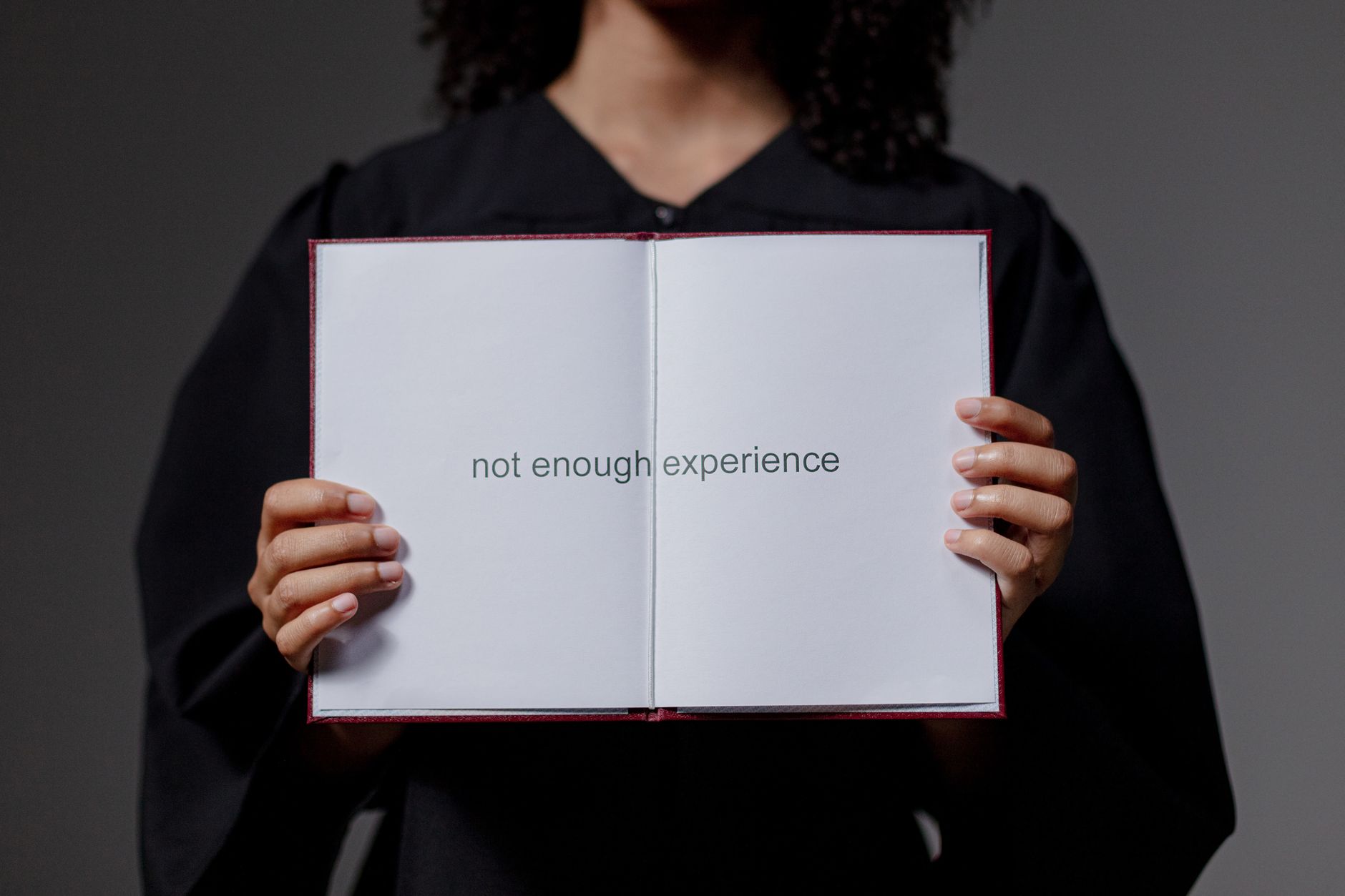
Additionally, unemployment and underemployment among graduates have created scepticism about the value of conventional degree programmes. When graduates struggle to find suitable employment despite holding degrees, prospective students question whether the investment of time and money is worthwhile.
Regional and Demographic Variations
The decline in enrolment is not uniform across India. Certain states and regions have experienced sharper drops than others, often correlating with local economic conditions, availability of educational institutions, and cultural attitudes toward higher education.
Rural areas face particular challenges, including limited access to quality institutions, inadequate infrastructure, and the opportunity cost of education when families rely on young people for agricultural or other income-generating activities. Gender disparities also persist, with female enrolment rates in some regions remaining lower due to socio-cultural factors and safety concerns.
Implications for India's Future
The decline in undergraduate enrolment carries significant implications for India's economic and social development. A well-educated workforce is crucial for innovation, technological advancement, and competing in the global economy. Reduced participation in higher education could limit the availability of skilled professionals in critical sectors.
Universities and colleges themselves face financial challenges when enrolment drops, as tuition fees constitute a major revenue source for many institutions. This can create a negative cycle where reduced income leads to deteriorating quality, which further discourages enrolment.
Potential Solutions and Policy Responses
Addressing this trend requires multi-faceted interventions. Expanding scholarship programmes and financial aid can make higher education more accessible to economically disadvantaged students. The government and private sector could collaborate to create more robust scholarship ecosystems targeting meritorious students from all backgrounds.
Improving the quality and relevance of undergraduate curricula is equally important. Programmes that incorporate practical skills, internships, and industry partnerships can enhance employability and make degrees more attractive to prospective students.
Flexible learning options, including part-time programmes, evening classes, and hybrid online-offline models, can accommodate students who need to work while studying. This approach has proven successful in other countries facing similar challenges.
Strengthening career counselling and guidance services at the secondary education level can help students make informed decisions about their educational pathways, ensuring they understand the long-term benefits of higher education alongside alternative options.
Looking Ahead
The decline in undergraduate enrolment represents both a challenge and an opportunity for India's higher education sector. While the trend is concerning, it also signals the need for systemic reforms that make higher education more affordable, relevant, and aligned with the needs of students and the economy.
Stakeholders across government, academia, and industry must collaborate to revitalize interest in undergraduate programmes while simultaneously ensuring that these programmes deliver genuine value to students in terms of knowledge, skills, and career opportunities.