The Public Distribution System (PDS) in India provides subsidised food grains, including rice, to approximately 800 million beneficiaries through a network of Fair Price Shops. Despite its massive reach and importance as a food security measure, persistent complaints about the quality of ration rice have raised questions about the effectiveness of this welfare programme.
The Procurement and Storage Challenge
The quality issues begin at the procurement stage itself. The Food Corporation of India (FCI) and state agencies purchase rice from farmers at Minimum Support Prices (MSP). However, the specifications for procurement are often less stringent than what commercial markets demand. The focus remains on quantity rather than quality, as the government aims to maintain buffer stocks and meet distribution targets.
Once procured, the grain must be stored in warehouses across the country. India's storage infrastructure, though improved in recent years, still faces challenges. Extended storage periods, inadequate pest control, improper moisture management, and lack of modern silos in many regions lead to degradation of grain quality. Rice that might have been acceptable at procurement can deteriorate significantly during months or even years of storage.
Economic Constraints and Grade Selection
The economics of the PDS system play a crucial role in quality determination. The government operates this scheme at heavily subsidised rates, with beneficiaries under the National Food Security Act paying just Rs 3 per kilogram for rice. This substantial subsidy creates pressure to minimise costs throughout the supply chain.
- Lower grade rice is often procured to reduce costs
- Processing standards may be minimal to save on milling expenses
- Transportation and handling protocols may prioritise cost over grain preservation
- Quality testing mechanisms are insufficient or poorly enforced
The Broken Rice and Mixing Problem
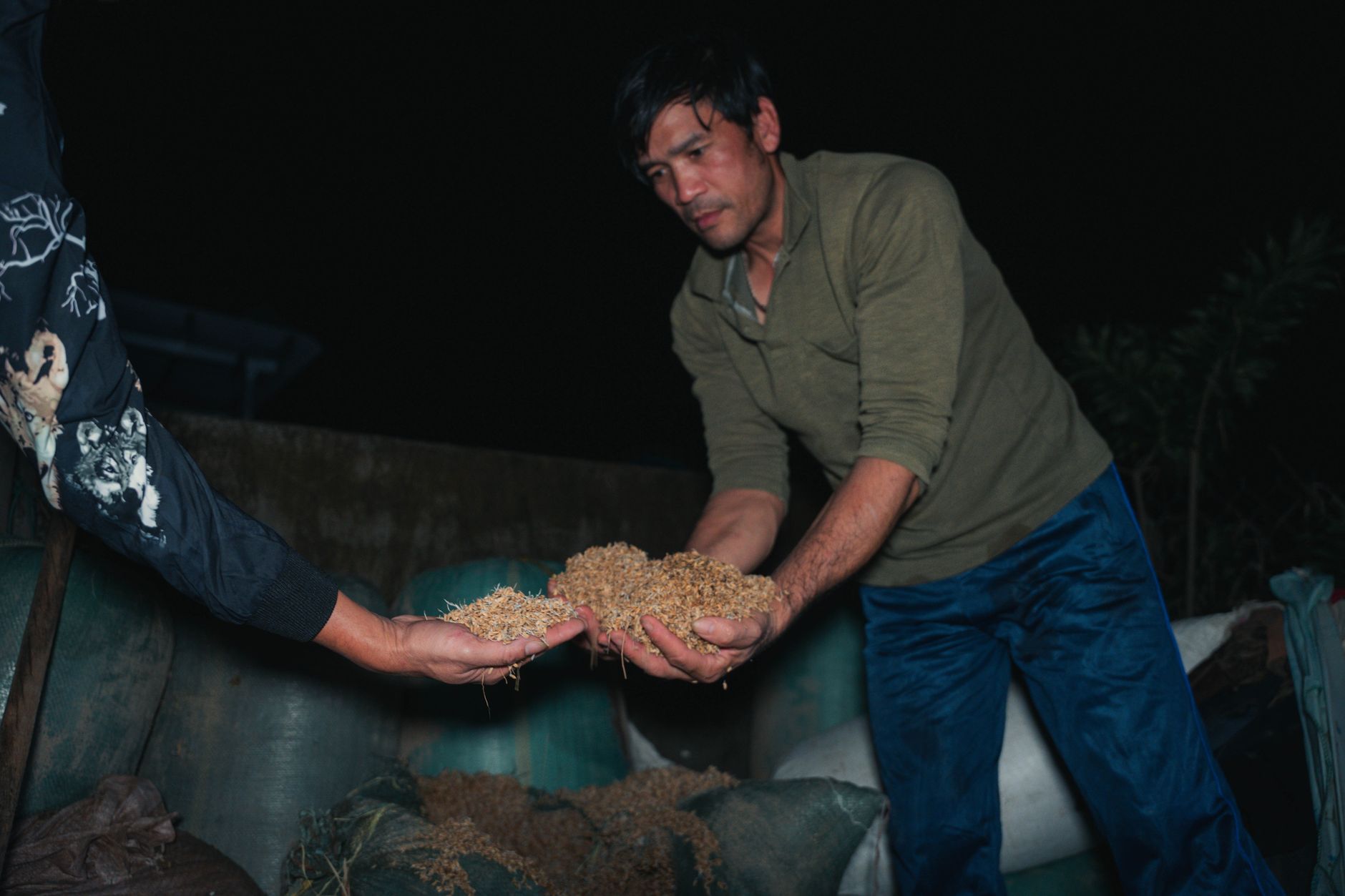
One frequent complaint involves the presence of broken rice grains in PDS supplies. While some breakage is inevitable during milling and transport, excessive broken grains indicate poor handling or deliberate mixing. Broken rice has lower nutritional value, reduced shelf life, and inferior cooking properties compared to whole grains.
Additionally, there have been documented cases of mixing different grain varieties, old stock with new, or even adulterated rice entering the PDS supply chain. The lack of robust quality monitoring at the Fair Price Shop level allows such practices to continue in some areas.
Regional Variations and State Capacity
The quality of ration rice varies significantly across Indian states. States with better administrative capacity, modern storage facilities, and stronger monitoring mechanisms tend to provide better quality grains. Kerala, Tamil Nadu, and Andhra Pradesh, for instance, have invested more in PDS infrastructure and quality control compared to some northern and eastern states.
States that procure and distribute rice independently of the central pool sometimes manage better quality control, as they can implement localised standards and oversight mechanisms.
The Investment Angle: Why This Matters Beyond Welfare
From an investment perspective, the quality of PDS rice reflects broader governance and infrastructure challenges that affect India's agricultural sector and food processing industries. Poor PDS quality indicates:
Investors looking at India's agricultural value chain, food processing sector, or rural consumption patterns must factor in these systemic inefficiencies. Companies that can provide solutions—improved storage technology, quality testing services, or logistics optimisation—represent potential opportunities.
Furthermore, the nutritional inadequacy of poor-quality ration rice affects human capital development. A population receiving substandard nutrition may have reduced productivity, affecting long-term economic growth and consumer market development.
Recent Reform Attempts
The government has undertaken several initiatives to address quality concerns, including the One Nation One Ration Card scheme for portability, fortification of PDS rice with micronutrients, and digitisation of the supply chain. However, implementation remains uneven, and the fundamental economic constraints of running a massive subsidy programme persist.
Accountability Gaps
The quality issue ultimately stems from accountability gaps. Fair Price Shop owners have little incentive to demand better quality from suppliers. Beneficiaries, while they may complain, have limited alternatives and therefore limited bargaining power. The bureaucratic chain from procurement to distribution is long, with multiple points where quality can deteriorate without clear responsibility.
Without stronger quality benchmarks, rigorous testing protocols, and consequences for supplying substandard grains, the problem is likely to persist despite reform efforts.
This article is intended for general informational purposes only and does not constitute professional investment, financial, or policy advice. Readers should conduct their own research and consult appropriate professionals before making investment decisions related to sectors discussed.
===END===