The World Travel & Tourism Council, the global authority representing the private travel and tourism sector, has issued a call for comprehensive reforms in India's tourism policies. The organization emphasizes that India possesses enormous untapped potential in the global tourism market, but regulatory hurdles and infrastructure gaps continue to hold back growth.
The Visa Challenge Facing Indian Tourism
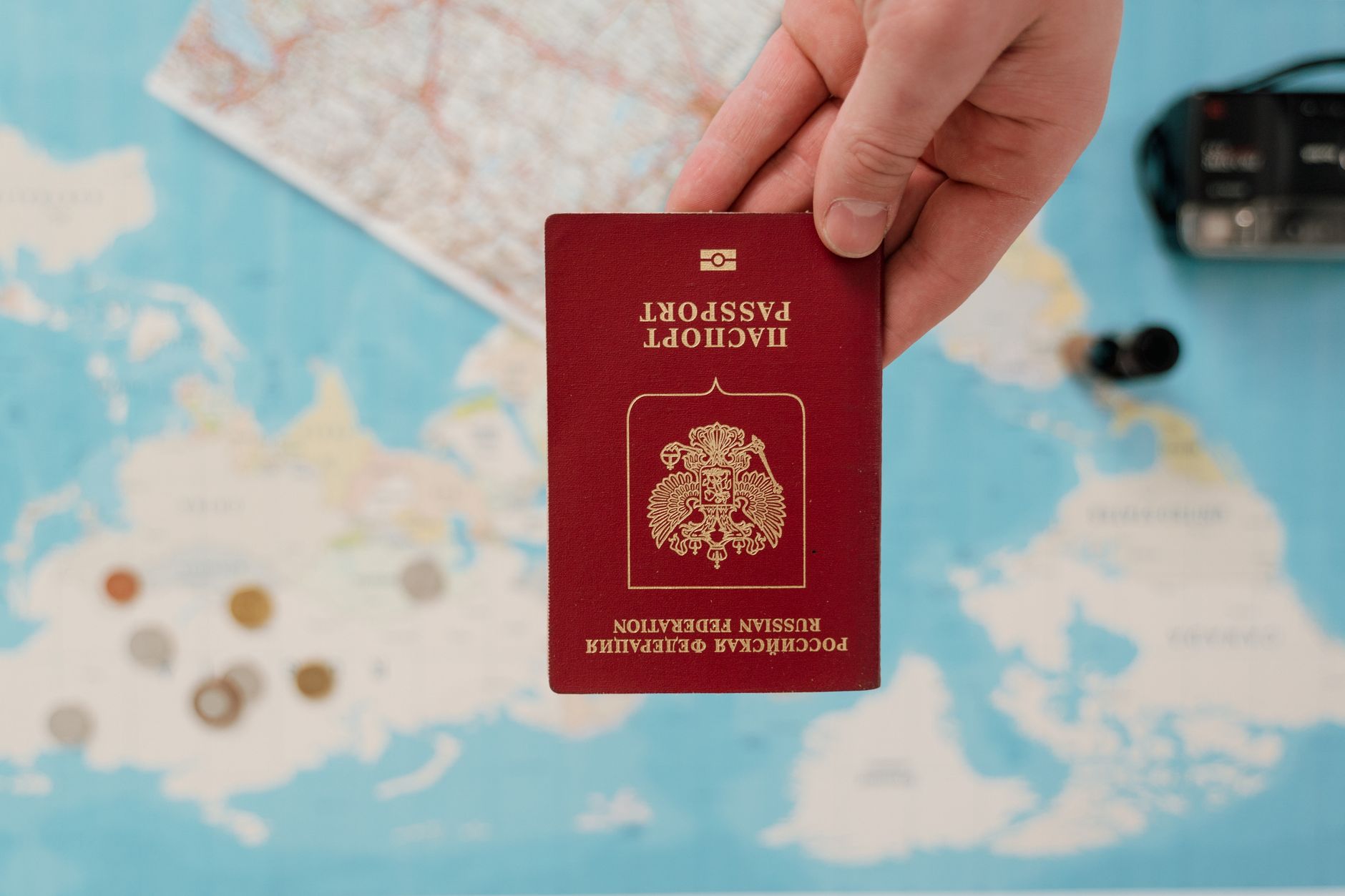
India's visa system has long been criticized as cumbersome and time-consuming compared to competitor destinations in Asia. While the e-visa program introduced in recent years has made strides in improving accessibility, several challenges remain. Processing times can be unpredictable, categories of visas often confuse travelers, and the cost remains higher than many Southeast Asian neighbors.
Countries like Thailand, Vietnam, and Indonesia have adopted increasingly liberal visa policies, including visa-free entry for numerous nationalities and visa-on-arrival facilities. These simplified processes have contributed significantly to their tourism booms. In contrast, India requires advance approval for most visitors, creating a barrier to spontaneous travel and business tourism.
The WTTC argues that streamlining visa processes could dramatically increase tourist arrivals. Studies from other markets show that visa liberalization typically leads to immediate upticks in visitor numbers, with benefits extending beyond direct tourism revenue to trade, education, and cultural exchange.
Investment Gaps In Tourism Infrastructure
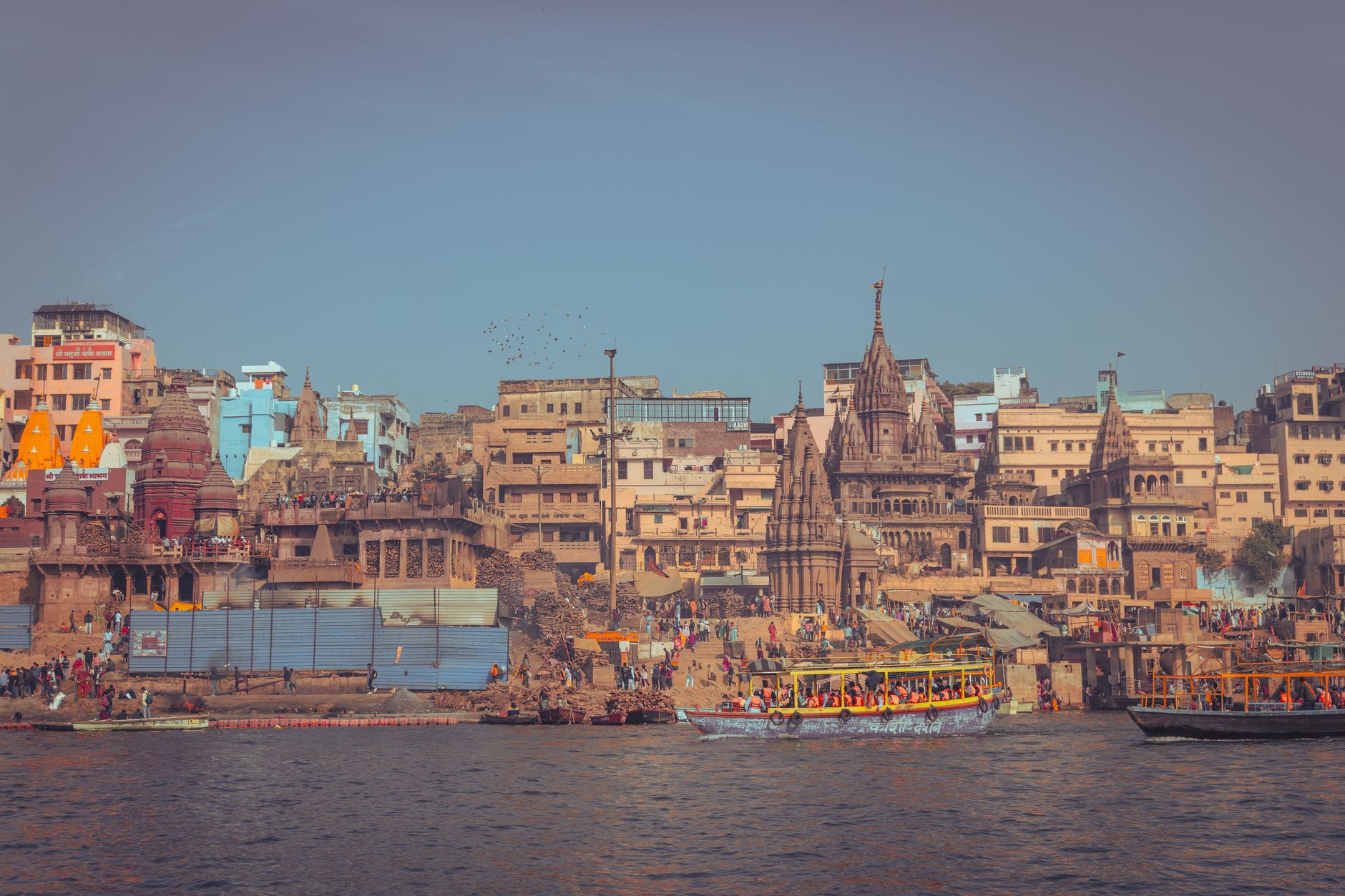
Beyond visa reforms, the WTTC has highlighted the critical need for greater investment in tourism infrastructure across India. Despite being home to numerous UNESCO World Heritage Sites, diverse landscapes ranging from Himalayan peaks to tropical beaches, and rich cultural heritage, India's tourism infrastructure often fails to meet international standards.
Key areas requiring investment include:
- Airport capacity and connectivity, particularly in tier-2 and tier-3 cities near tourist destinations
- Hotel and accommodation infrastructure that meets varied budget requirements
- Transportation networks linking tourist sites, including roads, railways, and local transit
- Tourist facilities at heritage sites, including visitor centers, signage, and amenities
- Digital infrastructure supporting online bookings, payments, and information access
- Safety and security measures that reassure international visitors
- Skilled workforce training in hospitality and tourism services
The Economic Opportunity
Tourism represents a significant economic opportunity for India. The sector has the potential to generate millions of jobs, particularly in regions with limited industrial development. Tourism is also notable for creating employment opportunities for women, youth, and small entrepreneurs who can participate through homestays, local guides, craft sales, and food services.
Pre-pandemic data showed India receiving approximately 10-11 million international tourists annually, a fraction of what countries with comparable attractions achieve. For perspective, Thailand welcomes nearly 40 million international visitors annually, despite having a smaller geographic area and population.
The multiplier effect of tourism spending extends throughout the economy. Every rupee spent by tourists generates additional economic activity in agriculture, manufacturing, transportation, and services. Increased tourism can also incentivize preservation of cultural heritage, natural environments, and traditional crafts.
Regional Competition And Global Trends
India faces stiff competition from neighboring countries that have prioritized tourism development. The rise of experiential travel, where visitors seek authentic cultural immersion rather than just sightseeing, plays to India's strengths. However, capturing this market requires addressing practical concerns about ease of travel, cleanliness, tourist safety, and value for money.
Post-pandemic travel trends show tourists increasingly favoring destinations that offer seamless digital experiences, from visa applications to accommodation bookings and contactless payments. Countries that adapt quickly to these expectations will capture larger market shares.
Path Forward
The WTTC's recommendations align with India's own recognition of tourism's potential. Recent government initiatives, including the "Incredible India" campaigns and heritage site development projects, show commitment to the sector. However, implementation challenges and bureaucratic inertia often slow progress.
Public-private partnerships could accelerate infrastructure development while ensuring commercial viability. Several states have successfully attracted private investment in resorts, adventure tourism facilities, and heritage hotels, providing models for replication.
Simplifying visa procedures need not compromise security. Advanced digital systems can screen applicants efficiently while providing faster, more transparent processing. Expanding visa-free access or visa-on-arrival for low-risk countries could be implemented in phases.
As global tourism rebounds from pandemic disruptions, India has a window of opportunity to position itself as a must-visit destination. With appropriate reforms and investments, the country could realistically double or triple its international visitor numbers over the next decade, generating substantial economic benefits and employment across the nation.