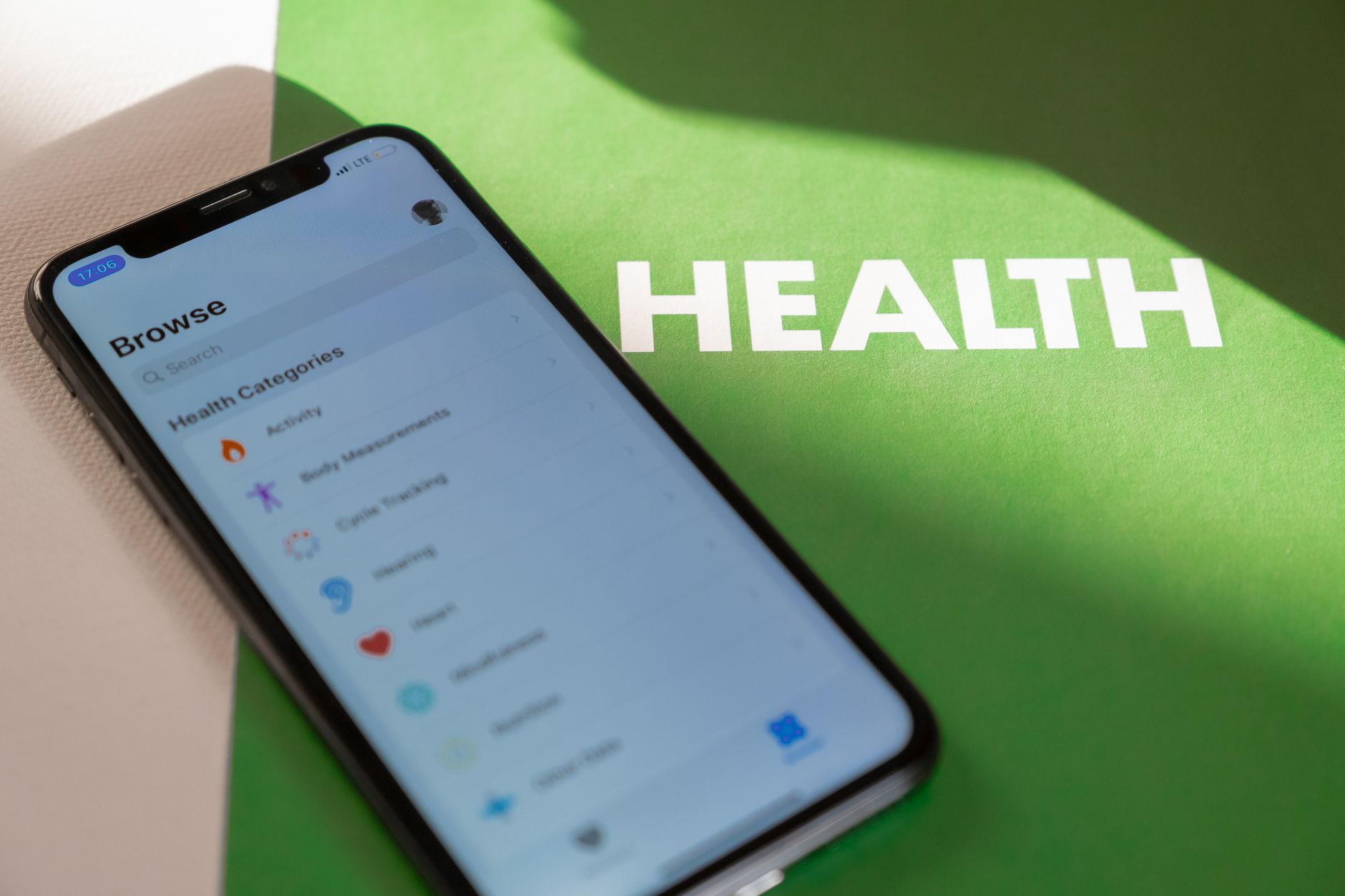
India's healthcare system faces a persistent challenge: a vast population spread across diverse geographies with limited access to specialists and quality medical care. Artificial intelligence is emerging as a powerful equalizer, placing sophisticated medical protocols quite literally in the pockets of millions through mobile devices and digital health platforms.
The Healthcare Access Gap in India
India's doctor-to-patient ratio stands significantly below the World Health Organization's recommendations, with rural and semi-urban areas experiencing acute shortages of specialists. Nearly 70 percent of the population lives in areas where access to tertiary care facilities requires travel of several hours. This disparity has led to delayed diagnoses, inadequate treatment, and preventable complications for countless patients.
Traditional healthcare delivery models struggle to bridge this gap. Training sufficient numbers of doctors takes years, and retaining medical professionals in underserved areas remains difficult. AI-powered solutions offer an innovative alternative by augmenting the capabilities of existing healthcare workers and making expert knowledge accessible remotely.
AI Applications Transforming Frontline Healthcare
Digital diagnostic tools powered by artificial intelligence are being deployed across primary health centers and community clinics. These systems assist healthcare workers in identifying conditions ranging from diabetic retinopathy to tuberculosis through image analysis. A community health worker equipped with a smartphone and portable diagnostic device can now capture medical images that AI algorithms analyze within minutes, flagging potential concerns that might otherwise go undetected.
Clinical decision support systems represent another breakthrough application. These AI platforms guide primary care physicians and nurses through evidence-based treatment protocols for common conditions. By asking structured questions and analyzing patient data, the systems recommend appropriate investigations and treatment pathways aligned with standard medical guidelines.
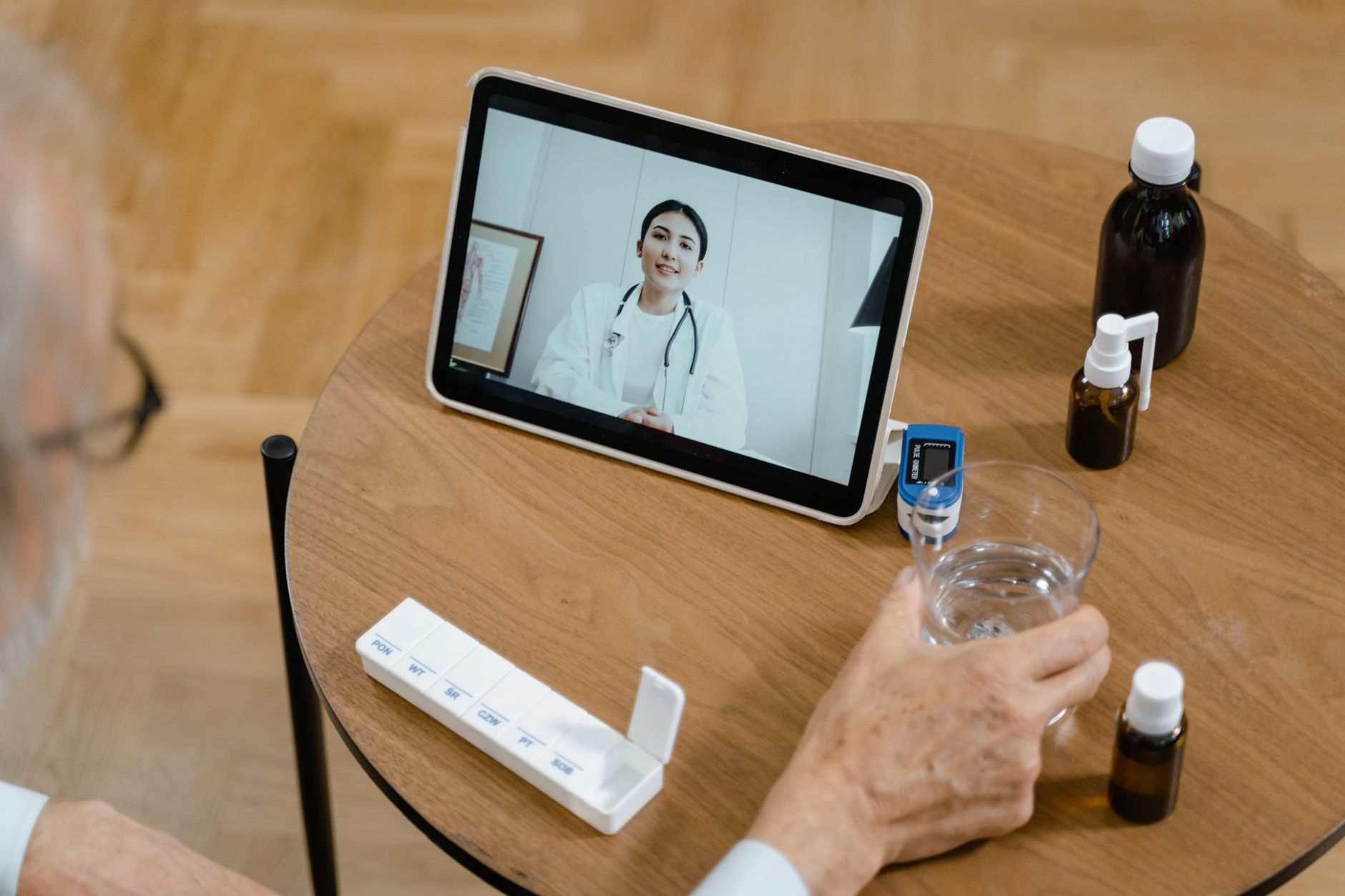
Telemedicine platforms enhanced with AI capabilities are extending specialist consultations to remote locations. The technology helps triage patients, prioritize urgent cases, and provide preliminary assessments before connecting patients with doctors. This optimization ensures that limited specialist time is used most effectively.
Language and Literacy Barriers Being Overcome
India's linguistic diversity presents unique challenges for healthcare delivery. AI-powered voice interfaces are addressing this by enabling patients to describe symptoms in their native languages. Natural language processing algorithms translate and structure this information for healthcare providers, while also delivering health education and medication instructions in locally understood languages.
For populations with limited literacy, visual and voice-based interfaces eliminate the barrier of written forms and complex medical terminology. Patients can receive appointment reminders, medication schedules, and health tips through audio messages or simple visual cues on their mobile phones.
Challenges and Considerations
Despite promising applications, AI deployment in healthcare faces several hurdles. Data privacy concerns require robust frameworks to protect sensitive medical information. The quality and representativeness of training data significantly impact AI accuracy, and algorithms trained predominantly on Western populations may not perform optimally for Indian demographics.
Infrastructure limitations including inconsistent internet connectivity in rural areas can hinder real-time AI applications. Power supply issues and the cost of hardware remain practical barriers for widespread adoption.
Healthcare workers require training not just in using AI tools but in understanding their limitations. Over-reliance on automated systems without appropriate human oversight could lead to errors. Maintaining the essential human element in healthcare while leveraging technology's efficiency is crucial.
The Road Ahead
Government initiatives and private sector innovations are converging to expand AI's role in Indian healthcare. National digital health missions aim to create interconnected systems where AI can analyze population health trends, predict disease outbreaks, and optimize resource allocation.
Integration with existing health programs focusing on maternal health, immunization, and chronic disease management is creating comprehensive care pathways. AI systems that track patient journeys across different touchpoints help ensure continuity of care and identify individuals at risk of falling through the cracks.
Research institutions are developing AI models specifically trained on Indian patient populations, accounting for genetic variations, dietary patterns, and disease prevalence unique to the subcontinent. This localization is essential for creating truly effective healthcare solutions.
The vision of protocol in every pocket represents more than technological advancement—it embodies democratization of medical knowledge. By making expert guidance accessible to healthcare workers in the remotest villages, AI is helping fulfill the promise of universal healthcare access, transforming smartphones from communication devices into powerful medical tools that can save lives.
This article is for general informational purposes only and does not constitute medical advice. Always consult qualified healthcare professionals for diagnosis and treatment of medical conditions.