India is standing at the cusp of a demographic transformation that will fundamentally reshape how the nation delivers healthcare. With life expectancy rising and fertility rates declining, the country's elderly population is growing at an unprecedented pace. By 2050, nearly 20 percent of Indians will be over 60 years old, compared to just 10 percent today. This shift demands a radical rethinking of healthcare delivery, moving away from hospital-centric models toward home-based and community care.
The Changing Face of India's Population
The greying of India is happening faster than most policymakers anticipated. Better nutrition, improved sanitation, and advances in medical care have extended lifespans, but this demographic dividend comes with significant challenges. Elderly citizens typically require more frequent medical attention, manage multiple chronic conditions simultaneously, and often struggle with mobility issues that make hospital visits difficult and stressful.
The traditional model of healthcare, which requires patients to travel to hospitals and clinics for routine check-ups, medication management, and monitoring of chronic conditions, is increasingly impractical for an aging population. Traffic congestion in cities, lack of accessible public transportation, and the physical toll of travel make each hospital visit a significant undertaking for elderly patients and their caregivers.
Why Home-Based Healthcare Makes Sense
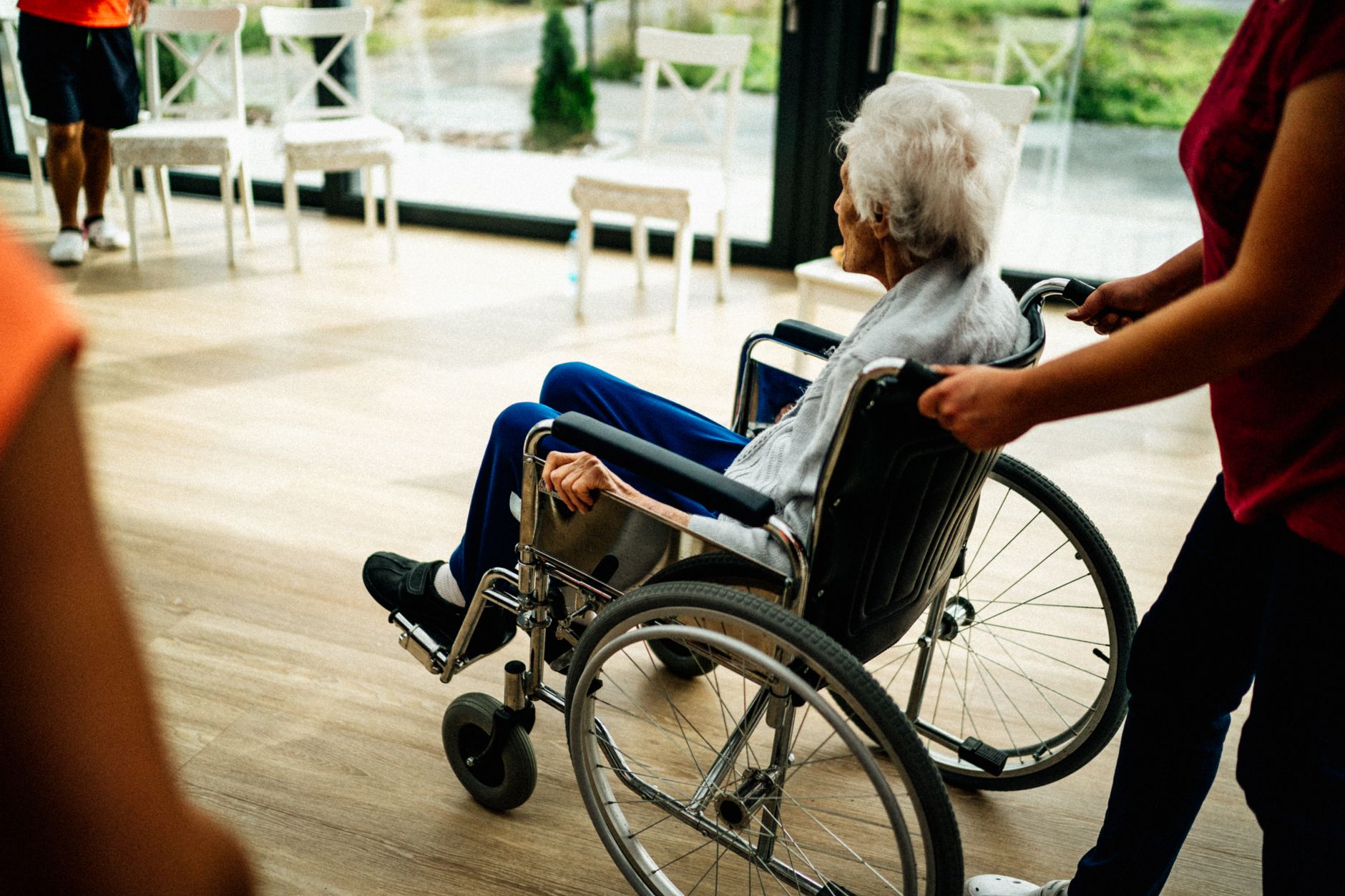
Home healthcare offers numerous advantages for elderly patients. It eliminates the stress and physical strain of travel, reduces exposure to hospital-acquired infections, and allows patients to receive care in familiar, comfortable surroundings. Studies have shown that elderly patients often recover faster and experience better health outcomes when treated at home rather than in institutional settings.
For the healthcare system, home-based care can significantly reduce costs. Hospital beds, expensive to maintain and always in short supply, can be reserved for acute cases requiring intensive intervention. Routine monitoring, medication management, physiotherapy, and many diagnostic procedures can be effectively delivered at home at a fraction of the cost.
Technology as an Enabler
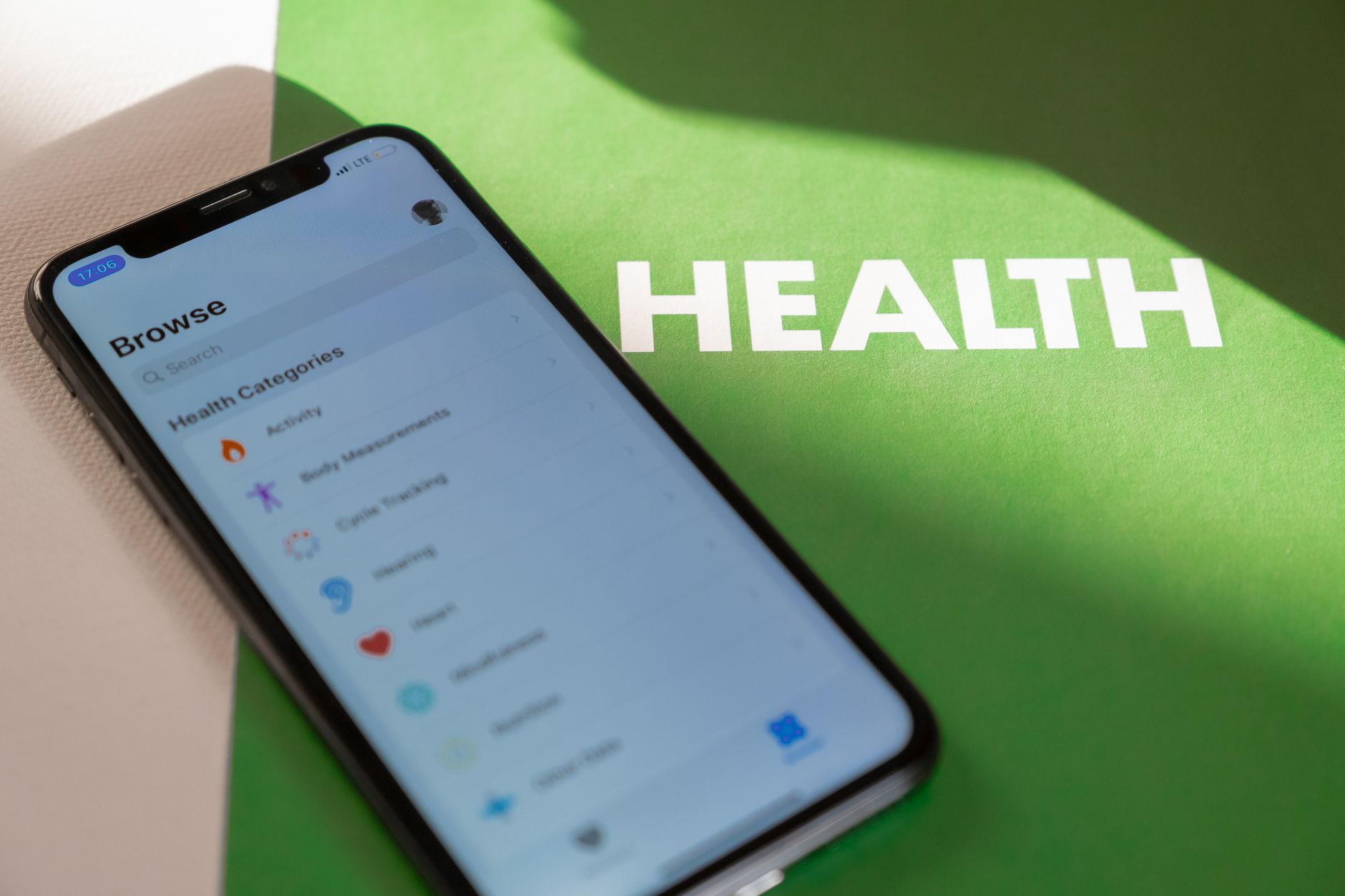
The rise of telemedicine, wearable health monitors, and mobile diagnostic equipment has made home healthcare more viable than ever before. Video consultations allow doctors to assess patients remotely, while devices can monitor vital signs like blood pressure, blood sugar, and heart rhythm continuously, alerting healthcare providers to potential problems before they become emergencies.
Mobile health vans equipped with diagnostic equipment can bring services like ECGs, ultrasounds, and blood tests directly to neighborhoods, serving multiple patients in a single visit. This approach is particularly valuable in smaller towns and rural areas where access to specialized medical facilities is limited.
The Community Healthcare Model
Beyond individual home visits, community-based healthcare centers can serve as intermediate care facilities. These neighborhood clinics, staffed by nurses, general physicians, and visiting specialists, can handle routine medical needs, provide health education, and serve as hubs for home healthcare workers.
Community centers also address the social isolation that many elderly people experience. Regular visits to local health centers provide opportunities for social interaction, group activities, and peer support, all of which contribute significantly to mental and emotional wellbeing.
Challenges to Overcome
Implementing widespread home and community healthcare requires significant investment in training healthcare workers, developing technology infrastructure, and changing public perceptions. Many families still view hospitals as the only legitimate source of quality healthcare.
Regulatory frameworks need updating to accommodate home-based care, including licensing for home healthcare providers, insurance coverage for home visits and telemedicine consultations, and quality standards for home-based procedures. The workforce must expand substantially, with training programs for home healthcare nurses, physiotherapists, and caregivers.
Building the Infrastructure
Government initiatives, private sector innovation, and public-private partnerships will all play crucial roles in developing India's home healthcare infrastructure. Insurance schemes must evolve to cover home-based care adequately, making it financially accessible to middle and lower-income families.
Cities and towns need to plan neighborhoods with healthcare accessibility in mind, ensuring that every residential area has nearby community health centers. Digital infrastructure, including reliable internet connectivity, is essential for telemedicine to function effectively across urban and rural India.
The demographic shift toward an older population is inevitable, but India has the opportunity to prepare proactively rather than react to crisis. By bringing healthcare closer to home, the nation can ensure that its elderly citizens receive quality care with dignity, while building a more sustainable and efficient healthcare system for all.