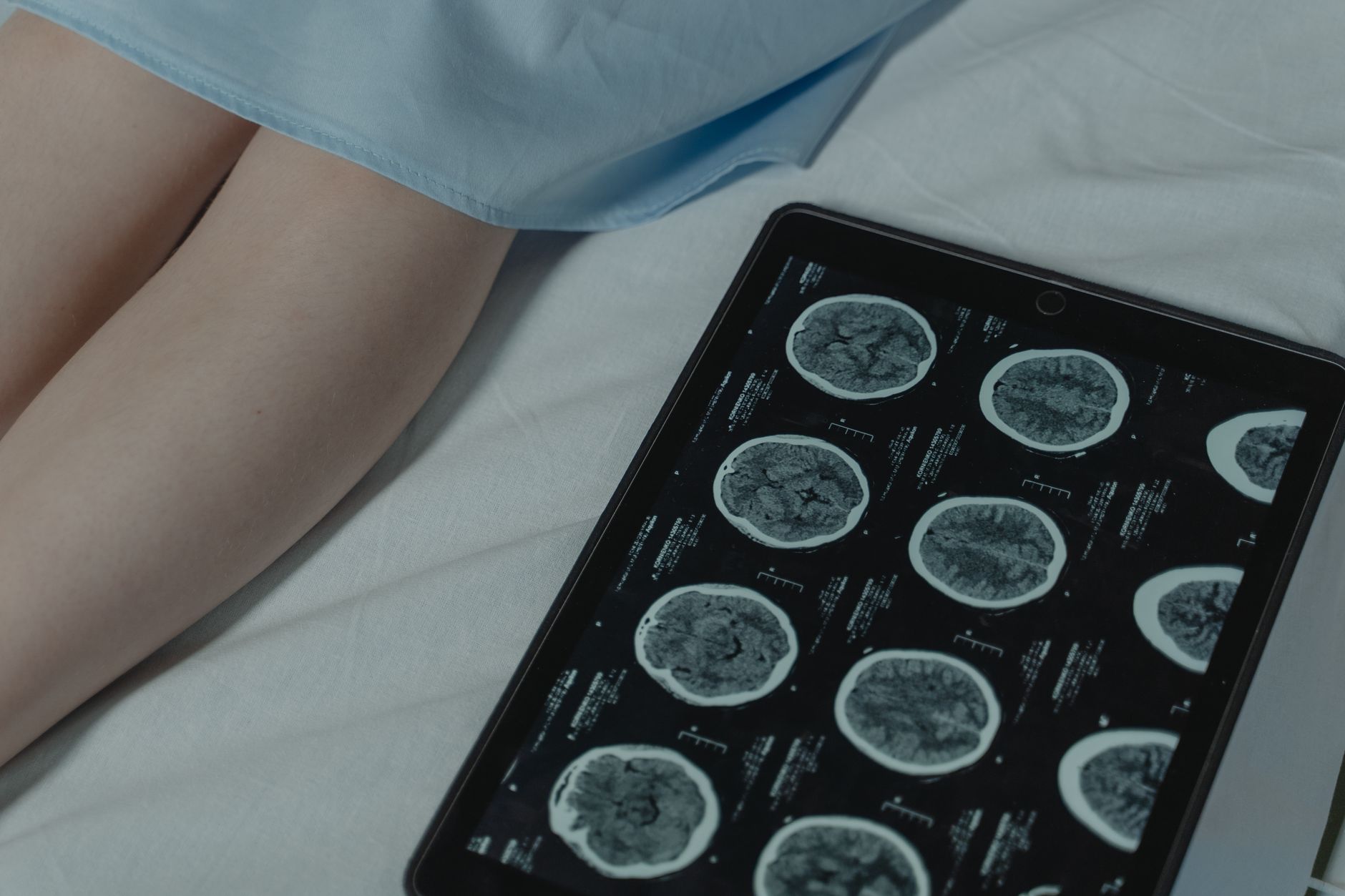
India is confronting a dual healthcare challenge that threatens millions of lives: a sharp increase in brain and nervous system disorders coupled with an alarming shortage of neurologists to diagnose and treat these conditions. This growing gap between disease burden and medical expertise has become a critical public health concern that demands immediate attention.
The Scale of the Neurologist Shortage
India currently has approximately one neurologist for every 1.2 million people, a ratio that falls drastically short of global standards. The World Health Organization recommends at least one neurologist per 100,000 population for adequate neurological care. With only around 1,500 to 2,000 practicing neurologists serving a population exceeding 1.4 billion, the healthcare system is stretched beyond capacity.
This shortage is not uniformly distributed across the country. Metropolitan cities like Delhi, Mumbai, and Bangalore have relatively better access to neurological services, while rural and semi-urban areas face severe deficits. Many districts across India do not have even a single qualified neurologist, forcing patients to travel hundreds of kilometers for specialized care.
Rising Burden of Neurological Disorders
The incidence of brain disorders in India has witnessed a concerning upward trend over the past decade. Stroke remains one of the leading causes of death and disability, with India reporting one of the highest stroke burdens globally. The country sees approximately 1.8 million new stroke cases annually, with many patients unable to access timely treatment due to lack of specialists.
Beyond stroke, other neurological conditions are also on the rise:
- Epilepsy affects over 10 million Indians, making it one of the most common neurological disorders
- Dementia and Alzheimer's disease cases are increasing with the aging population
- Parkinson's disease prevalence is growing, particularly among older adults
- Migraine and headache disorders affect millions, often going undiagnosed or inadequately treated
- Traumatic brain injuries from road accidents contribute significantly to the disease burden
- Multiple sclerosis and other autoimmune neurological conditions are being diagnosed more frequently
Factors Contributing to the Crisis
Several interconnected factors have created this perfect storm in neurological healthcare. The training infrastructure for neurology specialists remains limited, with only a handful of medical colleges offering specialized programs in neurology. Each year, India produces fewer than 300 new neurologists, a number woefully inadequate to meet the growing demand.
Medical graduates often prefer other specializations due to better remuneration or work-life balance concerns. Neurology requires extensive training and continuous education, which can be demanding. Additionally, many trained neurologists migrate to developed countries seeking better opportunities and research facilities.
The awareness gap also plays a significant role. Many neurological symptoms are dismissed as normal aging or stress-related issues, leading to delayed diagnosis and treatment. The stigma associated with brain disorders, particularly mental health conditions and epilepsy, prevents people from seeking timely medical help.
Impact on Patient Care
The shortage translates into real-world consequences for patients. Wait times for consultations with neurologists can extend to several months in public hospitals. Many patients with acute conditions like stroke miss the critical treatment window because specialized care is unavailable in their vicinity.
Overburdened neurologists face increased workloads, potentially affecting the quality of patient consultations and follow-up care. General physicians and internal medicine doctors often manage neurological cases beyond their expertise due to the absence of specialists, which may lead to suboptimal outcomes.
Addressing the Challenge
Solutions require a multi-pronged approach. Increasing the number of neurology training seats in medical colleges and establishing new centers of excellence for neurological sciences would help produce more specialists. Incentivizing neurologists to practice in underserved areas through better compensation and infrastructure could improve geographical distribution.
Telemedicine has emerged as a promising tool to bridge the gap, allowing neurologists in urban centers to consult with patients in remote areas. Training general physicians in basic neurological assessment and management can also ensure that more patients receive timely initial care.
Greater public awareness about neurological disorders, their symptoms, and the importance of early intervention is essential. Government healthcare policies need to prioritize neurology services and allocate adequate resources for both prevention and treatment of brain disorders.
This article is for general informational purposes only and should not be considered medical advice. Readers experiencing neurological symptoms should consult qualified healthcare professionals for proper diagnosis and treatment.