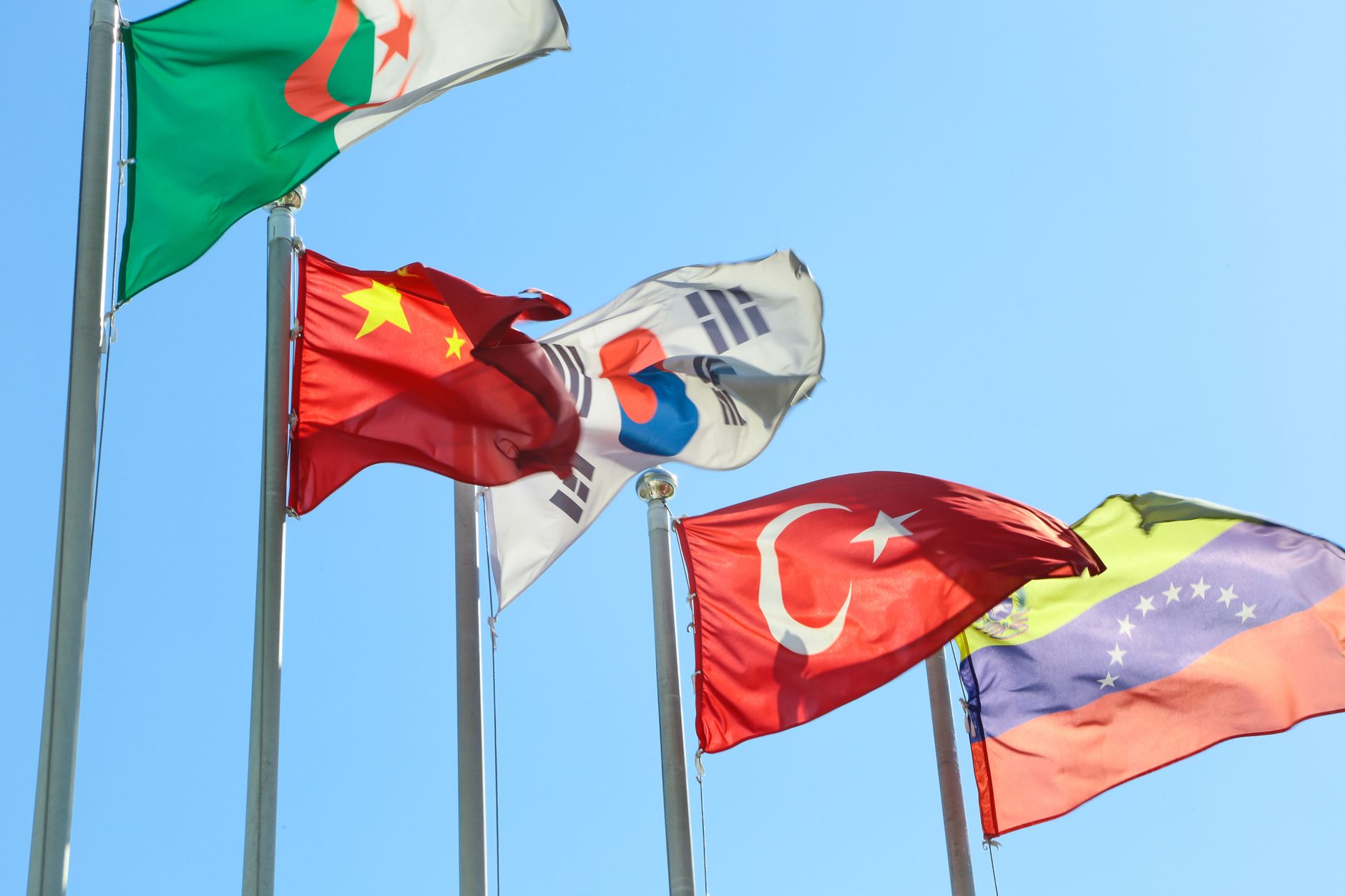
The BRICS nations—Brazil, Russia, India, China, and South Africa—have announced a collaborative initiative to strengthen Traditional, Complementary and Integrative Medicine (TCIM) through the formation of a dedicated expert working group. This development marks a significant step toward recognizing and systematizing traditional healing practices that have served billions of people for centuries.
Understanding TCIM and Its Global Significance
Traditional, Complementary and Integrative Medicine encompasses a broad range of healthcare practices that originate from indigenous and cultural knowledge systems. These include Ayurveda from India, Traditional Chinese Medicine, African traditional healing, and various other indigenous medical systems practiced across continents.
Unlike conventional Western medicine that often focuses on treating specific symptoms or diseases, TCIM typically adopts a holistic approach to health, considering physical, mental, emotional, and spiritual well-being. The World Health Organization estimates that approximately 80 percent of the population in some developing countries relies primarily on traditional medicine for their healthcare needs.
Why BRICS Nations Are Leading This Initiative
The BRICS countries collectively represent over 40 percent of the world's population and possess some of the richest traditions in complementary medicine. India's Ayurveda and Yoga, China's acupuncture and herbal medicine, Brazil's traditional healing practices, Russia's integration of natural therapies, and South Africa's indigenous healing systems all contribute to a vast repository of medical knowledge.
By joining hands, these nations aim to create a unified framework for research, standardization, and quality control in traditional medicine practices. This collaboration allows them to pool resources, share research findings, and establish common standards for education and practice.
The Role of the Expert Working Group
The newly forming expert working group will consist of specialists in traditional medicine, researchers, policymakers, and healthcare practitioners from each member nation. Their mandate includes several key responsibilities:
- Developing common protocols for quality assurance and safety standards in traditional medicine products
- Facilitating research collaboration and data sharing among member nations
- Creating educational frameworks for training practitioners in TCIM disciplines
- Establishing mechanisms for intellectual property protection of traditional knowledge
- Promoting evidence-based integration of traditional practices into mainstream healthcare systems
Potential Benefits for Global Healthcare
This BRICS initiative could have far-reaching implications for global healthcare delivery. Traditional medicine often provides more affordable treatment options compared to expensive pharmaceutical interventions, making healthcare more accessible to economically disadvantaged populations.
Furthermore, many traditional remedies utilize locally available plants and materials, reducing dependence on imported medicines and supporting sustainable healthcare models. The integration of TCIM with conventional medicine could also address the growing burden of chronic diseases, as many traditional practices emphasize prevention and lifestyle modifications.
Challenges and Considerations
Despite the promising potential, the strengthening of TCIM faces several challenges. Standardization remains difficult because traditional practices vary significantly even within the same medical system. Ensuring product quality and safety requires robust regulatory frameworks that many countries still lack.
Scientific validation of traditional treatments also presents obstacles, as many traditional remedies involve complex formulations whose mechanisms of action are not fully understood through modern scientific methods. Additionally, protecting traditional knowledge from biopiracy while promoting innovation requires careful legal frameworks.
The expert working group will need to address concerns about integration without diluting the fundamental principles of traditional medical systems. There's also the challenge of ensuring that practitioners receive adequate training and certification to maintain safety standards.
Moving Forward
The formation of this expert working group represents recognition at the highest levels that traditional and complementary medicine has an important role to play in modern healthcare systems. As chronic diseases continue to rise globally and healthcare costs escalate, the wisdom embedded in traditional healing practices offers valuable insights for sustainable, patient-centered care.
The success of this BRICS initiative will depend on sustained commitment from member nations, adequate funding for research and development, and the ability to create frameworks that respect traditional knowledge while meeting modern standards of safety and efficacy.
This article is for general informational purposes only and does not constitute medical advice. Readers should consult qualified healthcare professionals before using any traditional or complementary medicine treatments. The efficacy and safety of traditional remedies should be evaluated on a case-by-case basis with appropriate medical supervision.