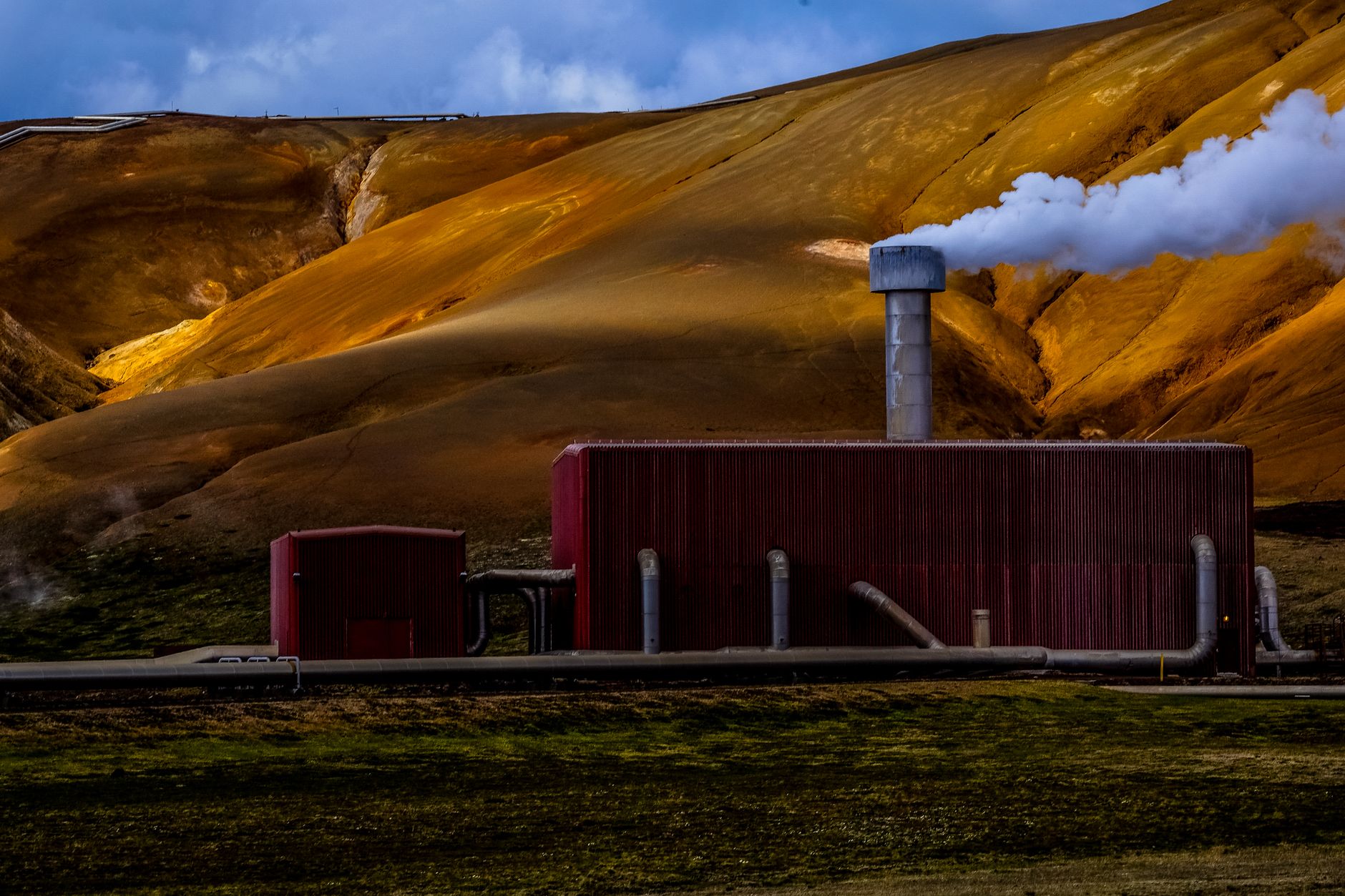
India's renewable energy landscape has been dominated by solar and wind power for years, but beneath the country's surface lies another promising clean energy source that remains largely untapped: geothermal energy. As the nation races to meet its ambitious climate targets and energy demands, indigenous technology development could be the key to unlocking India's substantial geothermal potential.
Understanding India's Geothermal Resources
Geothermal energy harnesses heat from within the Earth to generate electricity or provide direct heating applications. India possesses approximately 10,000 megawatts of geothermal energy potential spread across several regions. The most promising zones include the Himalayan geothermal belt, which stretches across states like Jammu and Kashmir, Himachal Pradesh, and Uttarakhand, as well as significant resources in the Cambay basin in Gujarat, the Godavari basin, and geothermal springs in states like Chhattisgarh, Jharkhand, and Odisha.
Despite this potential, India currently has no commercial geothermal power plants in operation. The country has primarily focused on direct-use applications such as greenhouse heating and bathing at hot springs, leaving the electricity generation potential completely unexplored at commercial scale.
Why Homegrown Technology Matters
The development of indigenous geothermal technology offers several advantages for India. First, imported geothermal drilling equipment and expertise remain prohibitively expensive, making projects financially unviable. By developing domestic capabilities, India can significantly reduce project costs and make geothermal energy competitive with other renewable sources.
Second, India's geological conditions differ from traditional geothermal hotspots like Iceland or New Zealand. Indian researchers and engineers can tailor technologies to suit local conditions, including moderate-temperature reservoirs that require different extraction methods than high-temperature fields common elsewhere.
Third, building a homegrown geothermal industry creates jobs, retains expertise within the country, and reduces dependence on foreign technology providers for a critical clean energy source.
Current Research and Development Efforts
Several Indian institutions have been working on geothermal technology development. The Geological Survey of India has conducted extensive mapping of geothermal resources and continues to assess potential sites. Research institutes like the Indian Institute of Technology campuses and the Council of Scientific and Industrial Research laboratories have been developing drilling techniques, reservoir characterization methods, and power generation systems suitable for Indian conditions.
Enhanced Geothermal Systems technology, which can extract heat from areas without natural hydrothermal reservoirs, presents particularly exciting opportunities for India. This approach could expand viable geothermal zones far beyond naturally occurring hot springs and steam fields.
Challenges to Overcome
Several obstacles stand between India and commercial geothermal power generation. Deep drilling technology remains expensive and technically challenging, requiring significant upfront investment before energy production begins. Resource assessment needs improvement, as detailed subsurface mapping requires sophisticated equipment and expertise.
Regulatory frameworks for geothermal energy remain underdeveloped compared to solar and wind power. Clear policies on land use, water rights, and environmental protection specific to geothermal projects need establishment. Additionally, grid integration and power purchase agreements must be structured to make geothermal projects attractive to developers and investors.
The high initial capital cost, despite lower operational expenses over the project lifetime, creates financing challenges. Risk mitigation mechanisms and government support may be necessary during the early phase of industry development.
The Path Forward
For India to successfully develop its geothermal sector, a coordinated approach involving government support, private sector participation, and continued research is essential. Pilot projects demonstrating technical and economic viability could attract larger investments. Government incentives similar to those provided for solar and wind energy during their early development phases could accelerate geothermal adoption.
Technology transfer partnerships with countries having advanced geothermal industries, combined with local innovation, could speed development. Gradually building domestic manufacturing capabilities for geothermal equipment and components would reduce costs over time.
Strategic Importance
Geothermal energy offers unique advantages that complement solar and wind power. Unlike these intermittent sources, geothermal provides baseload power available 24/7, making it valuable for grid stability. This reliability becomes increasingly important as India adds more variable renewable capacity.
With growing energy demand and climate commitments, India cannot afford to ignore any viable clean energy source. Homegrown technology development in geothermal energy could position India as a leader in this field while contributing significantly to energy security and climate goals. The question is no longer whether India should develop its geothermal resources, but how quickly it can mobilize the necessary technological and financial resources to make it happen.