India has achieved a major breakthrough in sustainable transportation with the confirmation that it holds complete intellectual property rights over its indigenous hydrogen train technology. This development represents a crucial step in the country's journey toward energy independence and positions India as a potential leader in clean rail transport innovation.
What Are Hydrogen Trains
Hydrogen trains are railway vehicles powered by hydrogen fuel cells that combine hydrogen and oxygen to generate electricity, with water vapor as the only emission. Unlike traditional diesel locomotives or even electric trains that depend on overhead power lines, hydrogen trains carry their own fuel supply in the form of compressed hydrogen tanks and produce power onboard through fuel cell systems.
These trains offer several advantages including zero carbon emissions at the point of use, quieter operation than diesel engines, and the ability to run on non-electrified rail networks without requiring expensive overhead electrification infrastructure. Countries like Germany, France, and China have already deployed hydrogen trains on commercial routes, demonstrating the technology's viability.
India's Indigenous Development
The development of hydrogen train technology within India aligns with the government's broader Make in India and Atmanirbhar Bharat initiatives. By retaining intellectual property rights, India ensures that it controls the technology's commercialization, licensing, and future development without dependency on foreign entities.
This achievement means Indian railways can potentially manufacture, deploy, and export hydrogen train technology independently. The retention of IP rights also protects against technology transfer obligations and provides revenue opportunities through licensing agreements with other countries interested in adopting similar systems.
Indian Railways has been actively working on hydrogen fuel cell technology adaptation for its rolling stock, conducting trials and feasibility studies to determine how best to integrate these systems into the country's vast rail network.
Strategic Importance for Indian Railways
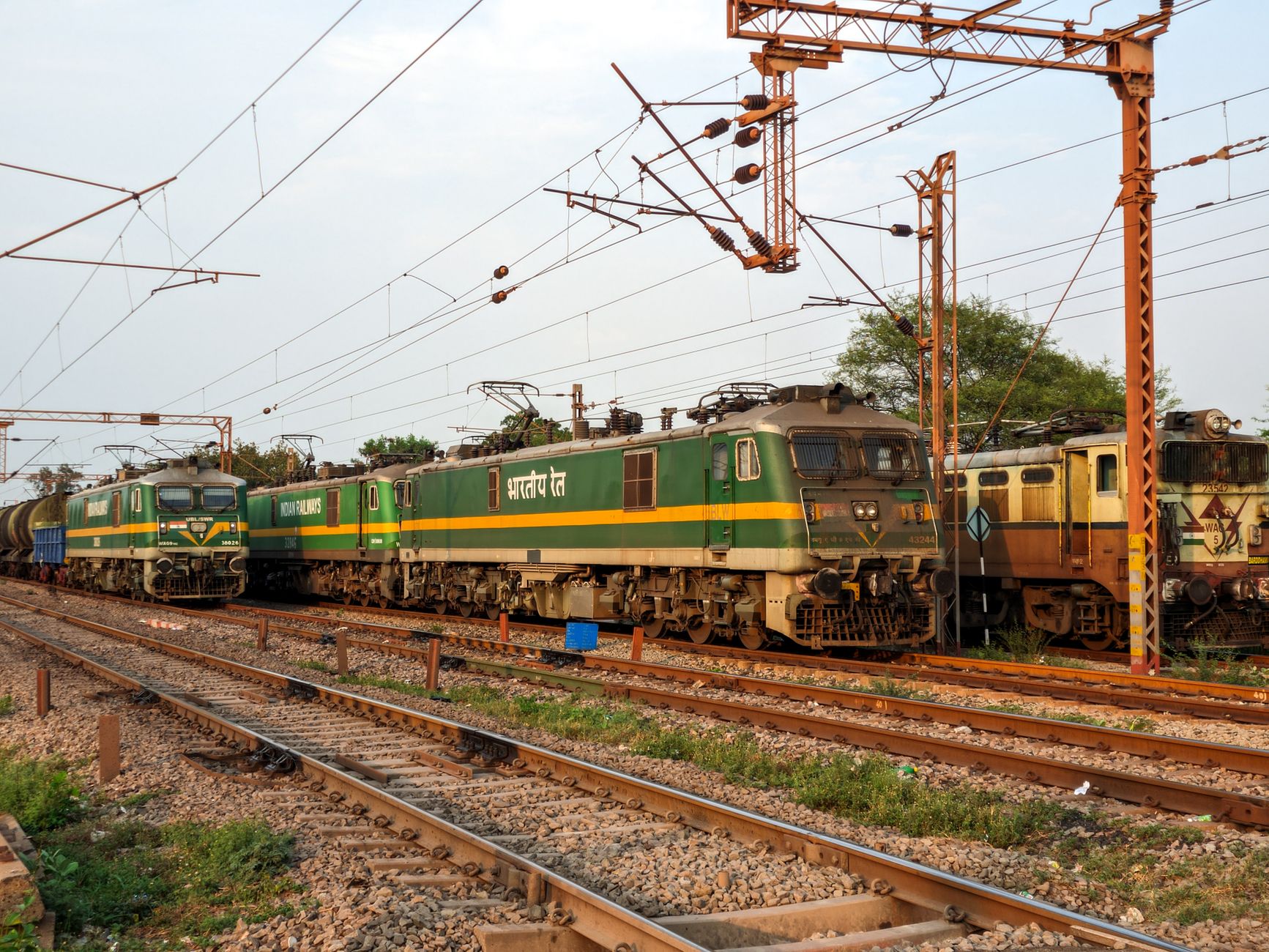
India operates one of the world's largest railway networks, carrying over eight billion passengers annually. However, a significant portion of this network still relies on diesel locomotives, contributing to air pollution and carbon emissions. Electrification has been progressing but requires substantial infrastructure investment and may not be economically viable for all routes.
Hydrogen trains present an attractive alternative for routes where electrification is impractical or prohibitively expensive. They can operate on existing tracks without overhead wires, making them suitable for remote, hilly, or less-trafficked routes where infrastructure costs would be high.
Environmental and Economic Benefits
The environmental benefits of hydrogen trains are substantial. When hydrogen is produced using renewable energy sources like solar or wind power through electrolysis, the entire transportation cycle becomes truly carbon-neutral. India's ambitious renewable energy targets make this combination particularly attractive.
Economically, possessing indigenous technology reduces import costs and creates domestic manufacturing opportunities. The railway sector employs millions of people, and developing hydrogen train capabilities could generate new jobs in manufacturing, maintenance, and hydrogen production infrastructure.
Furthermore, as global demand for clean transportation grows, India could position itself as an exporter of hydrogen rail technology to developing nations seeking affordable, sustainable transport solutions.
Challenges Ahead
Despite this achievement, several challenges remain before hydrogen trains become commonplace on Indian rails. The primary challenge is establishing hydrogen production and distribution infrastructure. India currently has limited hydrogen refueling facilities, and creating a nationwide network would require significant investment.
The cost of hydrogen fuel cells and storage systems remains relatively high compared to conventional diesel or electric systems. Economies of scale and technological improvements should reduce costs over time, but initial deployment may be expensive.
Safety protocols for handling and storing hydrogen also need to be established and standardized across the railway system. While hydrogen technology has been proven safe in various applications, its adoption in India's diverse operating conditions requires careful planning and training.
Future Outlook
India's retention of IP rights for hydrogen train technology signals confidence in the country's technological capabilities and research institutions. As the technology matures and costs decline, hydrogen trains could play a significant role in India's transition to sustainable transportation.
The coming years will likely see pilot projects and commercial trials on select routes, providing valuable operational data and experience. Success in these initial deployments could pave the way for broader adoption and establish India as a significant player in the global hydrogen mobility sector.