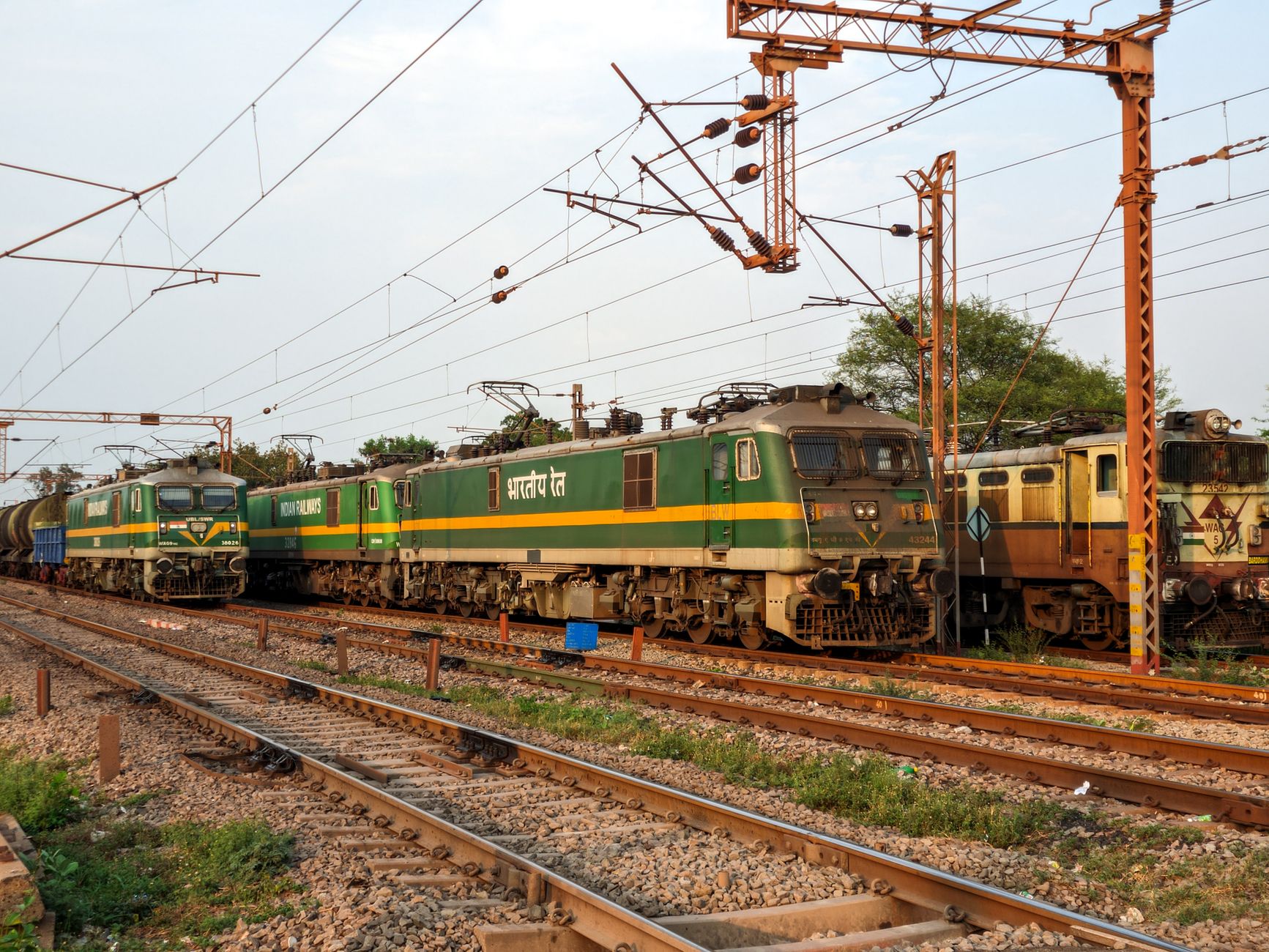
India has taken a major leap in sustainable transportation with the launch of its first hydrogen-powered train, a development that positions the country among a select group of nations exploring hydrogen fuel cell technology for railways. The indigenous train has garnered enthusiastic reviews from pilots and engineering students who participated in trial runs, particularly noting its environmental benefits and impressive performance capabilities.
How Hydrogen-Powered Trains Work
Hydrogen fuel cell trains operate on a fundamentally different principle than traditional diesel locomotives or even electric trains that draw power from overhead lines. These trains use fuel cells that combine hydrogen gas with oxygen from the air to produce electricity, which then powers the electric motors that drive the wheels. The only byproduct of this chemical reaction is water vapor, making it a truly zero-emission technology at the point of use.
The train carries hydrogen in specialized high-pressure tanks, typically stored on the roof or undercarriage. Fuel cells convert this stored hydrogen into electricity on demand, providing power for both propulsion and onboard systems. Any excess electricity generated during operation can be stored in batteries, which helps improve efficiency during acceleration and regenerative braking.
The Performance Advantage
One of the most striking aspects highlighted by early users is the train's acceleration and pickup. Hydrogen fuel cell trains deliver power smoothly and immediately, unlike diesel engines that require time to build up torque. The electric motors powered by hydrogen fuel cells provide instant torque, resulting in responsive acceleration that can match or exceed conventional electric trains.
This performance characteristic is particularly valuable for passenger services that require frequent stops and starts, as the train can quickly reach operating speeds and maintain consistent performance throughout its journey. The quiet operation is another benefit frequently noted by observers, as fuel cell technology produces minimal noise compared to diesel engines.
Environmental Impact and Sustainability
The zero-pollution aspect represents the most significant advantage of hydrogen trains. India, like many developing nations, faces severe air quality challenges, particularly in urban areas. The transportation sector contributes substantially to air pollution, and railways, despite being more efficient than road transport, still rely heavily on diesel locomotives.
By eliminating direct emissions, hydrogen trains can help reduce urban air pollution, decrease carbon footprint, and contribute to India's climate commitments. This is especially important for rail routes passing through populated areas and environmentally sensitive zones where diesel emissions pose health and ecological risks.
The use of indigenous technology also carries strategic importance. Developing hydrogen train technology domestically reduces dependence on foreign suppliers, supports local innovation and manufacturing, and creates opportunities for technology export to other developing nations facing similar environmental challenges.
Challenges and Infrastructure Requirements
Despite the promising start, hydrogen-powered trains face several practical challenges before widespread adoption. The primary obstacle is the lack of hydrogen refueling infrastructure. Unlike electric trains that can draw power from existing electrical grids, hydrogen trains require specialized fueling stations capable of storing and dispensing hydrogen safely.
Hydrogen production also presents considerations. While hydrogen itself produces zero emissions when used, the environmental benefit depends on how the hydrogen is produced. Green hydrogen, produced using renewable energy to split water molecules, offers the best environmental outcome. However, most hydrogen today is produced from natural gas, which involves carbon emissions unless paired with carbon capture technology.
The cost factor cannot be ignored. Hydrogen fuel cell technology remains more expensive than conventional diesel or electric systems, both in terms of initial investment and ongoing fuel costs. As production scales up and technology matures, these costs are expected to decrease, but the economic viability for widespread deployment requires careful evaluation.
Looking Ahead
India's launch of its first hydrogen-powered train represents more than a technological achievement—it demonstrates commitment to exploring diverse pathways toward sustainable transportation. The positive early feedback from pilots and students suggests the technology is ready for real-world application, at least on select routes.
The success of this initiative could pave the way for expanding hydrogen rail technology to non-electrified routes, particularly in regions where installing overhead electrical infrastructure is impractical or too expensive. This could accelerate the decarbonization of India's extensive railway network while maintaining the performance and reliability passengers expect.
As hydrogen production technology advances and infrastructure develops, hydrogen trains may become an increasingly viable option for clean rail transport across India and beyond.