The United States is currently grappling with an outbreak of Cyclospora cayetanensis, a microscopic parasite that causes prolonged diarrheal illness. As monsoon season approaches in India, public health experts are examining whether similar conditions could trigger outbreaks in the subcontinent, where waterborne diseases already pose significant challenges during the rainy months.
What is Cyclospora?
Cyclospora cayetanensis is a single-celled parasite invisible to the naked eye that infects the small intestine. When people consume food or water contaminated with infected fecal matter, they can develop cyclosporiasis, an intestinal infection characterized by watery diarrhea lasting several weeks or even months if left untreated.
The parasite was first identified in humans in 1977 and gained wider recognition in the 1990s when outbreaks linked to contaminated fresh produce began occurring in developed countries. Unlike many bacterial infections that resolve quickly, Cyclospora infections are notably persistent and can cause recurring symptoms.
Symptoms and Health Impact
Infected individuals typically begin experiencing symptoms about one week after exposure, though this can range from two days to two weeks. The hallmark symptom is explosive, watery diarrhea that can occur multiple times daily. Additional symptoms include:
- Loss of appetite and significant weight loss
- Stomach cramps and bloating
- Nausea and vomiting
- Fatigue and muscle aches
- Low-grade fever
- General malaise lasting weeks
What makes Cyclospora particularly troublesome is its duration. While some people may have mild symptoms or none at all, others suffer for weeks or months with recurring bouts of illness. This extended period of sickness can lead to dehydration, malnutrition, and significant disruption to daily life.
How Does It Spread?
Cyclospora spreads through the fecal-oral route, primarily via contaminated food and water. Fresh produce irrigated with contaminated water or washed in unsafe water represents the most common transmission route in developed countries. Imported berries, leafy greens, and herbs have been implicated in numerous outbreaks.
The parasite requires days to weeks outside the human body to become infectious, meaning person-to-person transmission is unlikely. However, this environmental maturation period means contamination can occur anywhere along the food supply chain, from farm to table.
India's Vulnerability During Monsoon
India faces several factors that could make Cyclospora outbreaks more likely during monsoon season:
Waterlogging and sanitation challenges in urban areas create ideal conditions for fecal contamination of water sources. Flooding can overwhelm sewage systems, mixing wastewater with drinking water supplies.
Street food vendors and small restaurants may use contaminated water to wash raw vegetables and fruits, unknowingly spreading the parasite to consumers. The practice of eating raw salads and uncooked vegetables increases exposure risk.
Agricultural practices sometimes involve using untreated wastewater for irrigation, potentially contaminating produce at the source. Heavy monsoon rains can wash contaminants from fields into water bodies used for drinking and cooking.
India already experiences high rates of diarrheal diseases during monsoon months, with multiple pathogens circulating simultaneously. Adding Cyclospora to this mix could complicate diagnosis and treatment.
Prevention Strategies
Protecting yourself from Cyclospora and similar parasites requires vigilance, especially during monsoon season:
- Drink only boiled or properly filtered water from reliable sources
- Wash all fruits and vegetables thoroughly with clean water before consumption
- Avoid raw salads and uncooked vegetables when eating out during monsoon
- Maintain strict hand hygiene, especially before eating and after using the toilet
- Ensure food is prepared in hygienic conditions
- Avoid street food during heavy rain periods when water contamination risk is highest
Diagnosis and Treatment
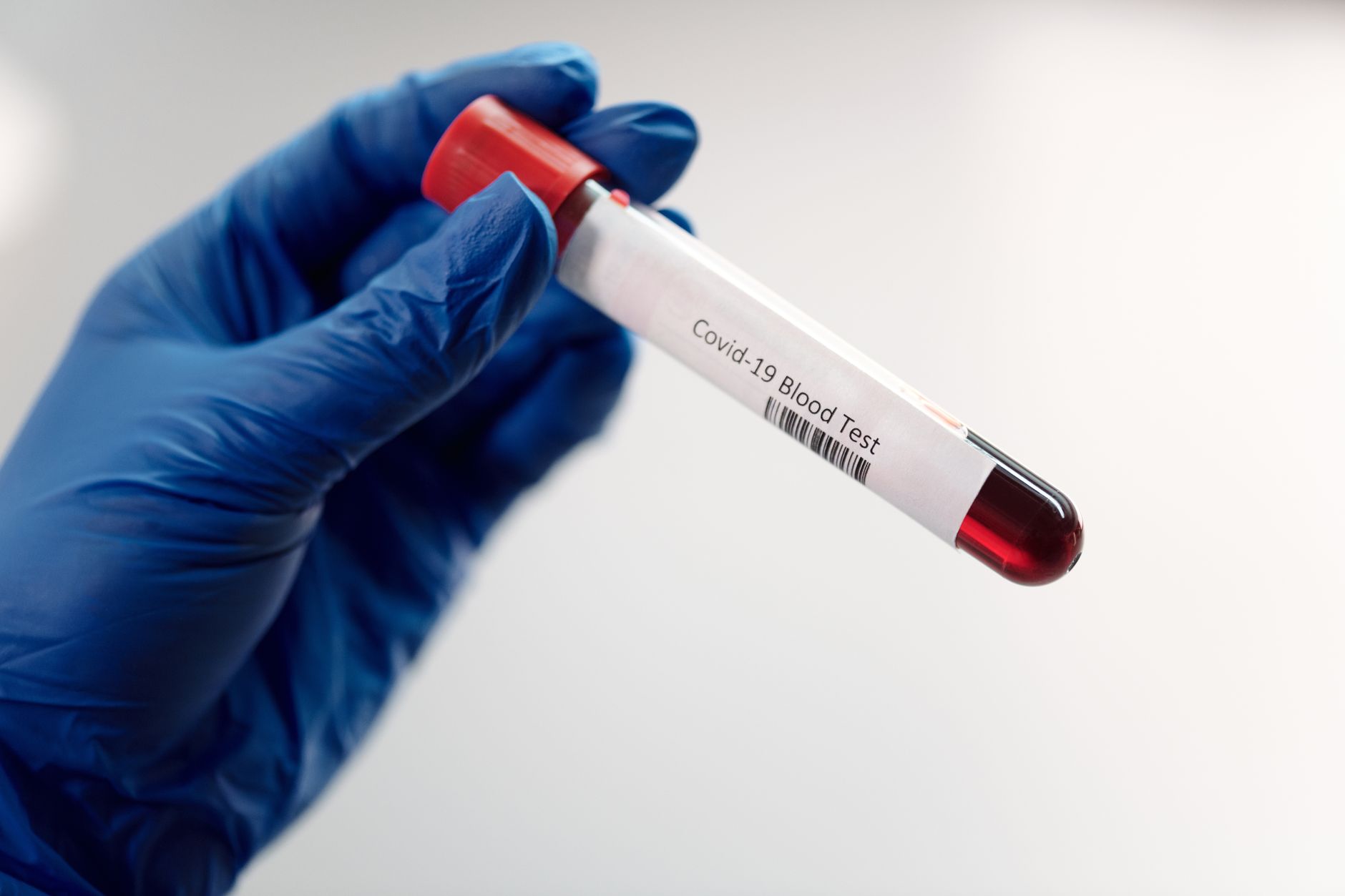
Diagnosing Cyclospora requires specific laboratory tests, as routine stool examinations may miss the parasite. Doctors must specifically request testing for Cyclospora when patients present with prolonged diarrhea.
Fortunately, the infection responds well to treatment with a combination antibiotic called trimethoprim-sulfamethoxazole. Most patients recover completely within a few days of starting treatment, though those with weakened immune systems may need longer courses.
The Broader Picture
While Cyclospora outbreaks grab headlines in developed countries where they're less common, India faces numerous waterborne disease challenges during monsoon. Cholera, typhoid, hepatitis A, and various parasitic infections already strain public health resources annually.
The key lies not in fearing one specific parasite but in strengthening overall water safety, sanitation infrastructure, and food hygiene practices. These measures protect against Cyclospora and countless other waterborne pathogens simultaneously.
This article is for general informational purposes only and does not constitute medical advice. If you experience persistent diarrhea or other concerning symptoms, consult a qualified healthcare professional for proper diagnosis and treatment.