India's monsoon season has brought with it a familiar yet intensifying health challenge: a surge in dengue fever cases across the country. However, this year's outbreak highlights a more complex picture of India's evolving disease burden, where traditional infectious diseases intersect with a growing wave of lifestyle-related conditions.
The Dengue Crisis
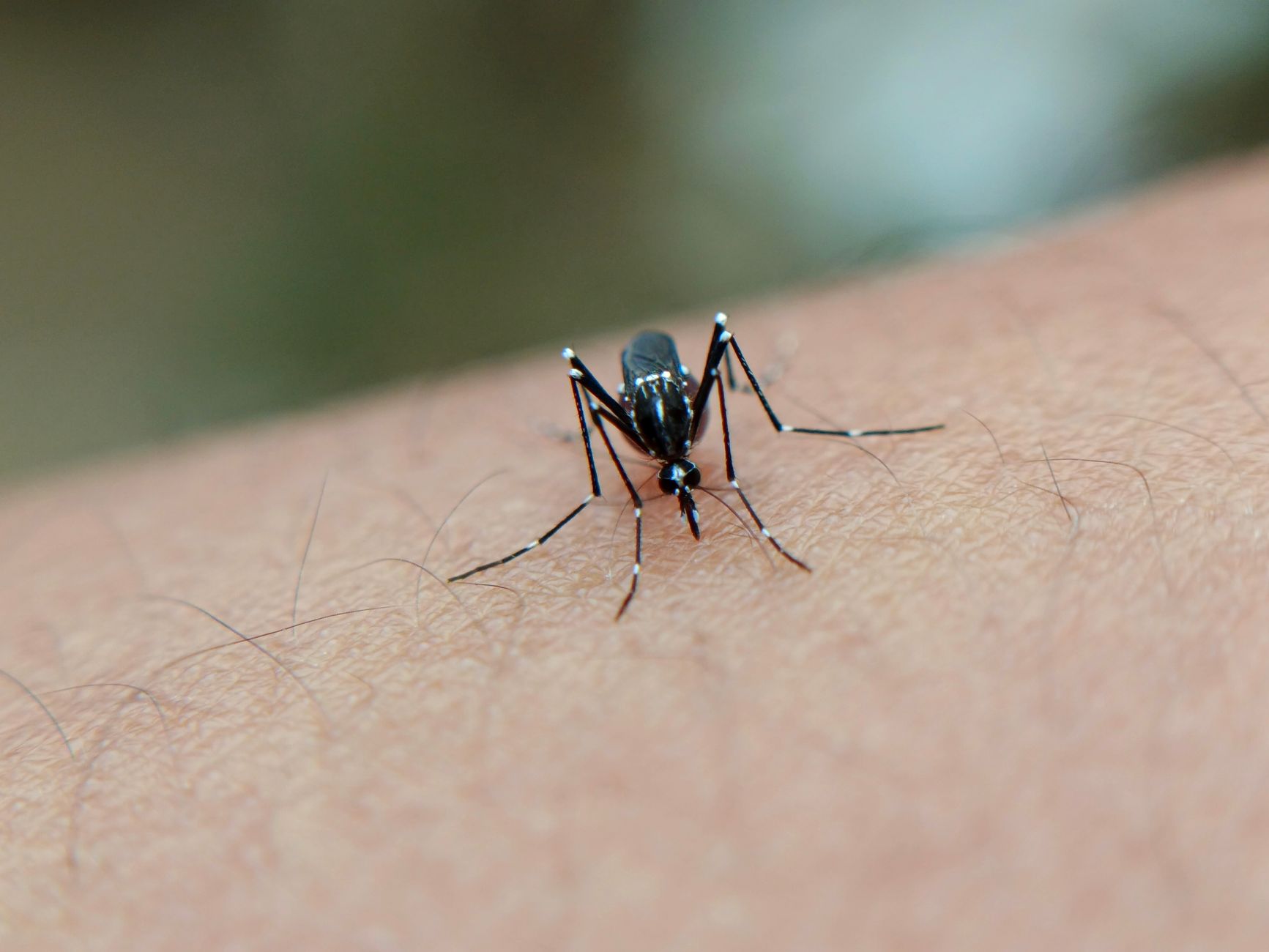
Dengue fever, transmitted by the Aedes aegypti mosquito, thrives during monsoon months when stagnant water creates ideal breeding conditions. The disease causes high fever, severe body aches, and in serious cases can lead to dengue hemorrhagic fever or dengue shock syndrome, both potentially fatal conditions.
Urban areas have been particularly affected, with cities experiencing rapid population growth and inadequate sanitation infrastructure creating perfect environments for mosquito proliferation. Construction sites, discarded containers, and water storage practices in densely populated neighborhoods provide countless breeding spots for these disease-carrying insects.
Healthcare facilities across multiple states have reported significant increases in patients presenting with dengue symptoms, straining already burdened public health systems. The challenge is compounded by the fact that dengue often requires careful monitoring and supportive care, with severe cases needing hospitalization.
Declining Traditional Tropical Diseases
While dengue cases climb, India has made remarkable progress in controlling other historically prevalent diseases. Malaria, once a major killer across the subcontinent, has seen steady decline thanks to extensive government intervention programs, improved vector control measures, and better access to rapid diagnostic tests and treatment.
Kala-azar, also known as visceral leishmaniasis, has similarly retreated. This potentially fatal disease, transmitted by sandflies, has been targeted through ambitious elimination programs focusing on early detection, complete treatment, and integrated vector management. Several states that were once endemic hotspots have now achieved elimination targets.
These successes demonstrate that sustained public health interventions, community awareness, and accessible treatment can effectively control complex parasitic diseases. The elimination efforts have involved coordination between multiple government agencies, healthcare workers, and local communities.
The Rising Tide of Non-Communicable Diseases
Perhaps the most significant shift in India's disease burden is the explosive growth of non-communicable diseases (NCDs). Diabetes, cardiovascular disease, cancer, and chronic respiratory conditions now account for an increasing proportion of deaths and disabilities across the country.
Several factors drive this trend:
- Rapid urbanization and lifestyle changes
- Increased consumption of processed foods and sugary beverages
- Sedentary lifestyles and reduced physical activity
- Rising tobacco and alcohol use
- Environmental pollution, particularly air quality issues
- Aging population demographics
- Stress and mental health challenges
The transition is happening faster than the healthcare system can adapt. Unlike infectious diseases that can sometimes be prevented through single interventions like vaccination or vector control, NCDs require long-term management, behavioral changes, and sustained medical care.
Understanding the Double Disease Burden
The "double disease burden" refers to the simultaneous challenge of managing both infectious diseases and NCDs. For India's healthcare system, this means allocating resources to respond to acute outbreaks like dengue while building capacity for chronic disease management.
This dual challenge is particularly acute in resource-limited settings where health infrastructure must serve multiple competing needs. Rural areas may lack specialists for diabetes or heart disease management, while urban centers struggle with outbreak response capabilities during monsoon season.
The economic implications are substantial. Families face catastrophic health expenditures treating dengue during monsoon months while managing ongoing costs for diabetes medications or cancer treatment. The out-of-pocket spending pushes many into poverty.
Prevention and Public Health Response
Addressing this complex disease landscape requires multi-faceted approaches. For dengue, source reduction remains critical—eliminating standing water, covering water storage containers, and maintaining clean surroundings. Communities must be engaged in regular clean-up drives, particularly before and during monsoon months.
For NCDs, prevention focuses on lifestyle modification, early screening programs, and accessible treatment. Government initiatives promoting physical activity, tobacco cessation, and healthy diets are essential, as are policies addressing environmental health determinants like air quality.
Healthcare systems must integrate infectious disease surveillance with chronic disease management programs. Primary health centers need capacity for both acute outbreak response and ongoing NCD care. Training healthcare workers to manage this dual burden efficiently is crucial.
This article is for general informational purposes only and should not replace professional medical advice. If you experience symptoms of dengue fever or any health condition, please consult qualified healthcare providers for proper diagnosis and treatment.