Female genital mutilation, commonly abbreviated as FGM, refers to procedures that intentionally alter or cause injury to female genital organs for non-medical reasons. The World Health Organization estimates that more than 200 million girls and women alive today have undergone this practice in 30 countries across Africa, the Middle East, and Asia, including parts of India.
What Constitutes FGM
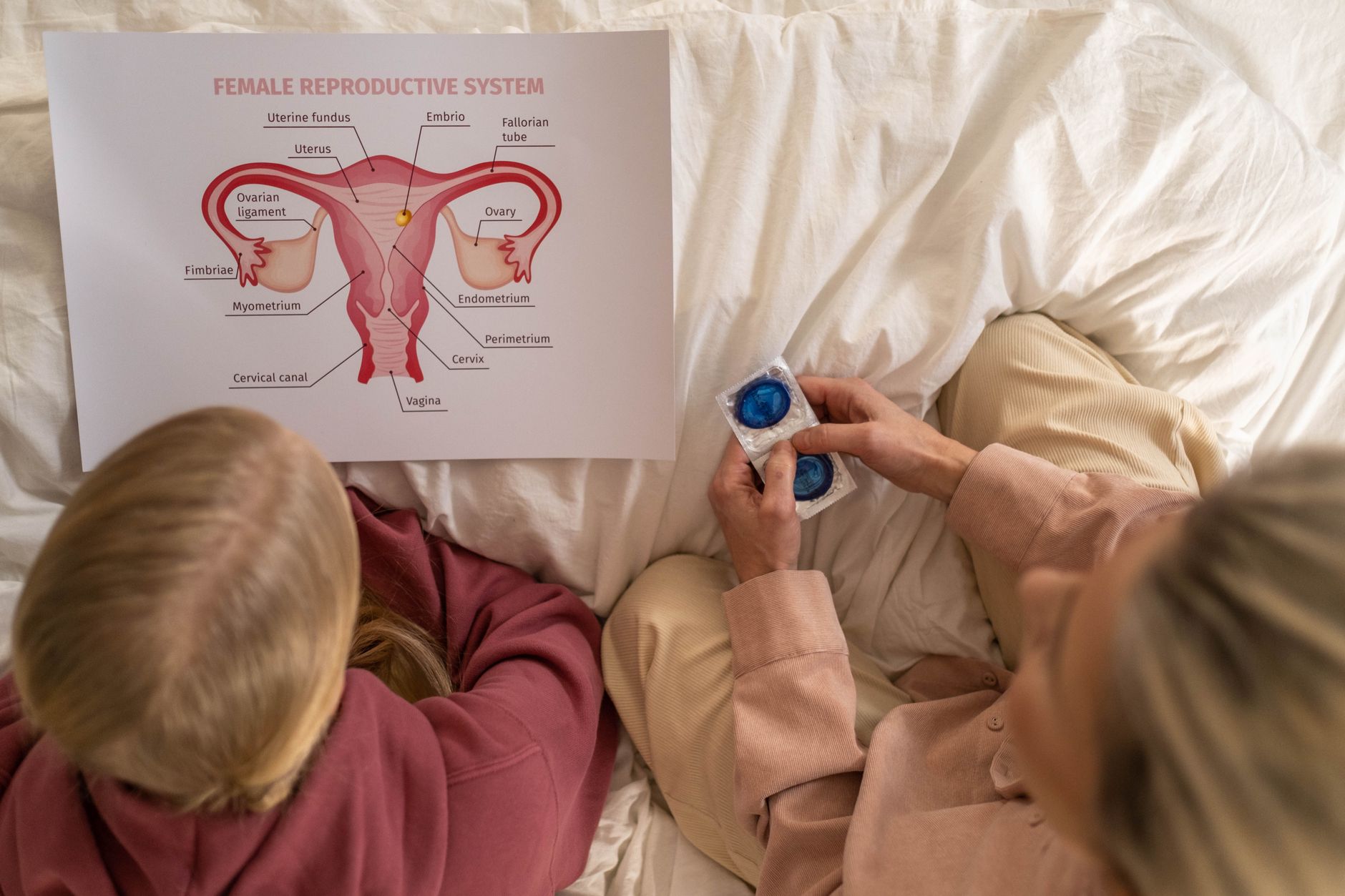
The practice encompasses all procedures involving partial or total removal of external female genitalia or other injury to female genital organs for cultural or other non-medical reasons. The WHO classifies FGM into four major types, ranging from partial removal of the clitoral tissue to the most severe form involving narrowing of the vaginal opening through stitching.
These procedures are typically carried out on young girls between infancy and age 15, though adult women also undergo FGM in some communities. The practice is usually performed by traditional practitioners using instruments ranging from knives and razor blades to broken glass, often without anesthesia or sterile conditions.
Health Consequences
The immediate health risks of FGM include severe pain, excessive bleeding, infections, shock, and even death. Because the procedures are frequently performed in unsanitary conditions by individuals without medical training, complications are common and can be life-threatening.
Long-term health consequences are equally serious and often permanent. Women who have undergone FGM may experience:
- Chronic pain and infections
- Difficulty urinating and menstruating
- Increased risk of childbirth complications and newborn deaths
- Sexual dysfunction and pain during intercourse
- Psychological trauma, including depression, anxiety, and post-traumatic stress disorder
- Formation of cysts and keloid scars
- Increased vulnerability to HIV transmission
Pregnant women with FGM face particular dangers. Studies have shown significantly higher rates of complications during delivery, including the need for cesarean sections, postpartum hemorrhage, and stillbirths.
Why the Practice Persists
Despite its harmful effects, FGM continues in many communities due to deeply entrenched social and cultural factors. The practice is often rooted in gender inequality and tied to beliefs about female sexuality, purity, and marriageability.
In communities where FGM is common, social pressure to conform can be overwhelming. Families may believe that cutting is necessary for their daughters to be accepted in society and to find husbands. Some communities associate the practice with religious teachings, though no religious text prescribes FGM.
Economic factors also play a role in some settings, where practitioners earn income from performing the procedures. Additionally, the practice is sometimes justified through myths claiming health or hygiene benefits, despite medical evidence to the contrary.
The Situation in India
While FGM is often associated with African nations, the practice exists in India as well, particularly within the Dawoodi Bohra community, a Shia Muslim sect. Community activists and survivors have increasingly spoken out about the practice, bringing attention to an issue that was long hidden from public discourse.
In 2017, the Supreme Court of India heard petitions seeking a ban on FGM, and while the practice is not explicitly criminalized under a specific law, it may fall under existing provisions of the Indian Penal Code and the Protection of Children from Sexual Offences Act.
Global Efforts and Progress
International organizations, governments, and grassroots movements have intensified efforts to eliminate FGM. The United Nations has set a goal to end the practice by 2030 as part of the Sustainable Development Goals.
Successful approaches to ending FGM typically combine multiple strategies:
- Education programs that raise awareness about health risks
- Community dialogues that encourage questioning of traditional justifications
- Legal frameworks that prohibit the practice
- Support services for survivors
- Engagement of religious and community leaders as advocates for change
- Economic alternatives for traditional practitioners
Some countries have seen significant progress. In certain regions, the prevalence of FGM among younger generations has decreased substantially compared to older cohorts, suggesting that change is possible when communities are supported in abandoning the practice.
Moving Forward
Ending FGM requires addressing it as both a health issue and a human rights violation. Medical professionals have a critical role in refusing to perform the procedure, providing care for survivors, and educating communities about its harms.
Survivors of FGM need access to comprehensive healthcare, including reconstructive surgery where possible and psychological support. Creating safe spaces for women to share their experiences and receive support is essential for healing and empowerment.
This article is for general informational purposes only and does not constitute medical advice. If you or someone you know has been affected by FGM, please consult qualified healthcare professionals for appropriate medical care and support services.