Guyana, the small South American nation experiencing rapid economic transformation, is looking eastward to India for support in building its healthcare infrastructure, energy systems, and agricultural capabilities. This collaboration reflects growing South-South cooperation and India's expanding role as a development partner for emerging economies.
India's Healthcare Expertise Attracts Global Attention
India has emerged as a significant player in affordable healthcare delivery, medical education, and pharmaceutical manufacturing. The country's expertise in managing large-scale public health programs, telemedicine networks, and medical training institutions makes it an attractive partner for nations like Guyana seeking to strengthen their health systems.
India's generic pharmaceutical industry supplies affordable medicines to over 200 countries, earning it the title of "pharmacy of the world." Additionally, Indian doctors, nurses, and healthcare administrators work across continents, bringing cost-effective healthcare solutions to underserved populations. For Guyana, which faces challenges in healthcare access across its geographically dispersed population, India's experience in rural health delivery and digital health initiatives could prove invaluable.
Energy Sector Collaboration Potential
Guyana has recently discovered significant offshore oil reserves, transforming its economic outlook. However, the nation needs expertise in managing this newfound energy wealth sustainably while also developing renewable energy infrastructure. India's experience in both conventional and renewable energy sectors positions it well to assist.
India has made substantial progress in solar energy deployment, becoming one of the world's largest renewable energy markets. The International Solar Alliance, co-founded by India, promotes solar energy adoption in tropical countries. India's engineers and energy companies have experience in setting up power grids, managing energy distribution, and implementing hybrid energy systems that combine conventional and renewable sources.
For Guyana, Indian technical support could help build institutional capacity for energy sector regulation, petroleum management, and the development of solar and hydroelectric projects suited to tropical climates.
Agricultural Development Through Indian Innovation
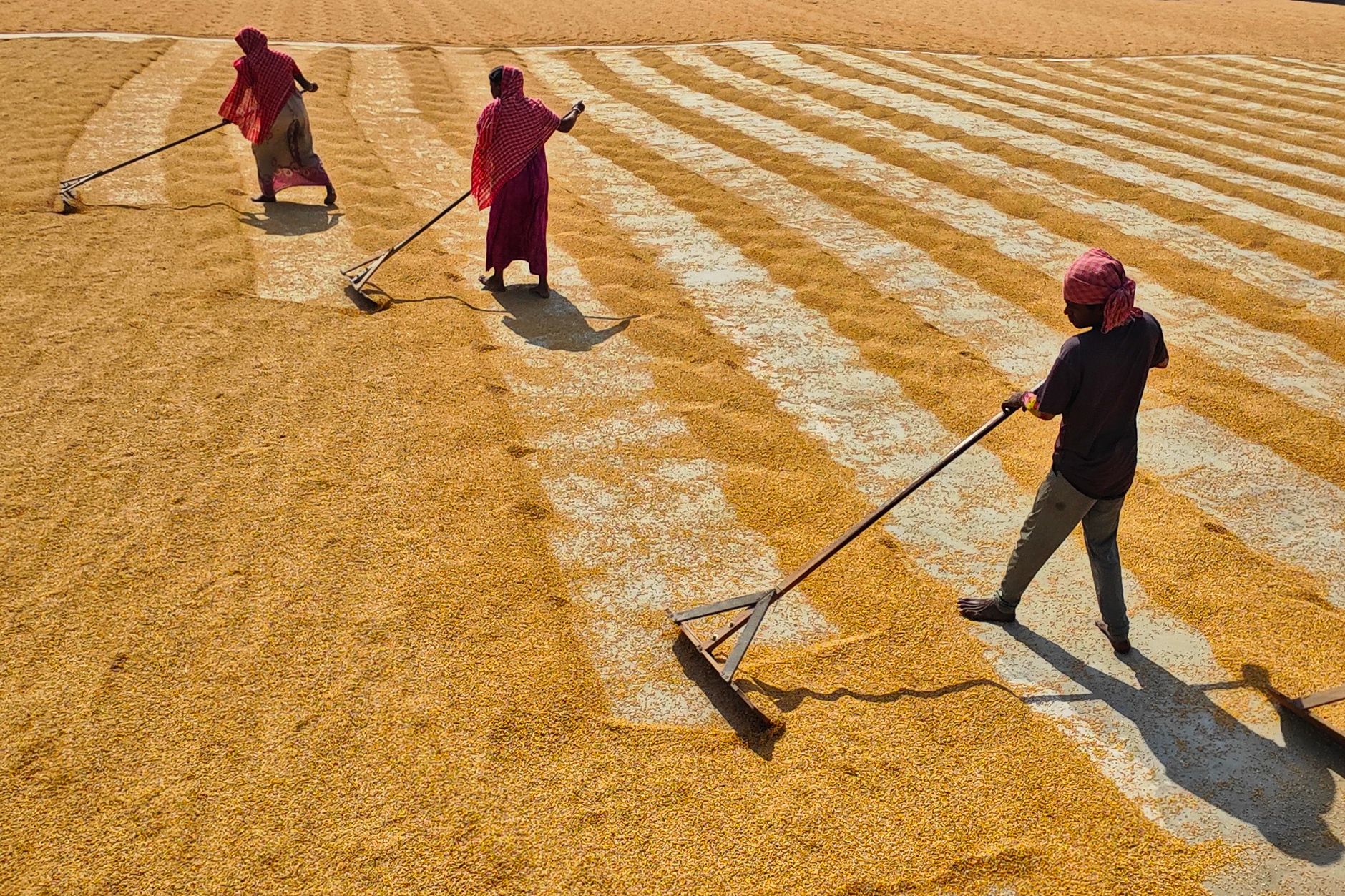
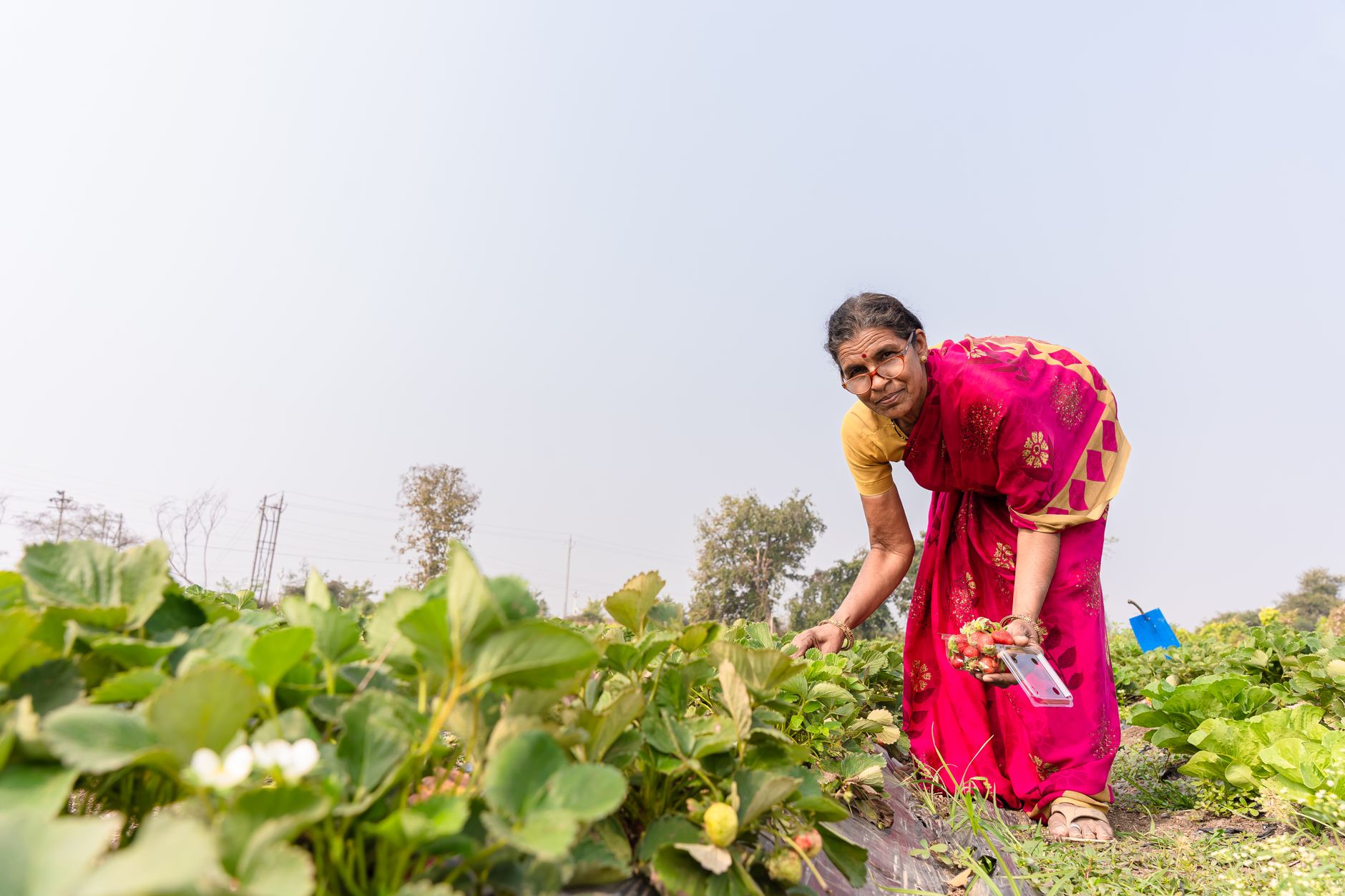
Agriculture remains central to Guyana's economy and food security. India's Green Revolution experience, advancement in agricultural research, and development of farming technologies for tropical conditions make it a natural partner for Guyana's agricultural modernization.
Indian agricultural universities and research institutions have developed crop varieties, farming techniques, and agricultural extension models suited to diverse climatic conditions. Technologies such as drip irrigation, soil health management, and integrated pest management have been successfully deployed across India's varied geography.
Key areas of potential collaboration include:
- Rice cultivation techniques and high-yielding variety development
- Sustainable farming practices suited to tropical conditions
- Agricultural mechanization for small and medium farms
- Post-harvest management and food processing technologies
- Agricultural extension and farmer training programs
- Water management and irrigation systems
Framework for India-Guyana Cooperation
India's development partnership approach emphasizes capacity building, technology transfer, and demand-driven assistance. Through initiatives like the Indian Technical and Economic Cooperation program, India offers training, scholarships, and technical expertise to developing nations.
The India-CARICOM relationship provides an existing framework for enhanced cooperation with Caribbean nations including Guyana. Regular high-level exchanges, technical missions, and cultural ties strengthen these partnerships.
Economic and Strategic Dimensions
This collaboration also reflects broader geopolitical trends. As Guyana's economy grows rapidly due to oil discoveries, it seeks diverse international partnerships. India benefits from strengthening ties with resource-rich nations while expanding its diplomatic footprint in Latin America and the Caribbean.
For India, such partnerships showcase its capabilities as a development partner offering affordable, scalable solutions suited to developing country contexts. Unlike traditional development models, India's approach emphasizes South-South cooperation principles of mutual benefit and capacity building rather than aid dependency.
Implementation Challenges and Opportunities
Successful implementation will require addressing practical challenges including geographical distance, different regulatory frameworks, and the need for sustained institutional engagement. However, modern communication technologies, increased air connectivity, and growing people-to-people ties can bridge these gaps.
The partnership could begin with pilot projects in specific areas, training programs for Guyanese professionals in Indian institutions, and feasibility studies for larger infrastructure projects. Private sector engagement, particularly from Indian companies with experience in similar developing country contexts, could complement government initiatives.
This collaboration represents a promising model of developing nations supporting each other's growth by sharing expertise, experiences, and resources in mutually beneficial arrangements.