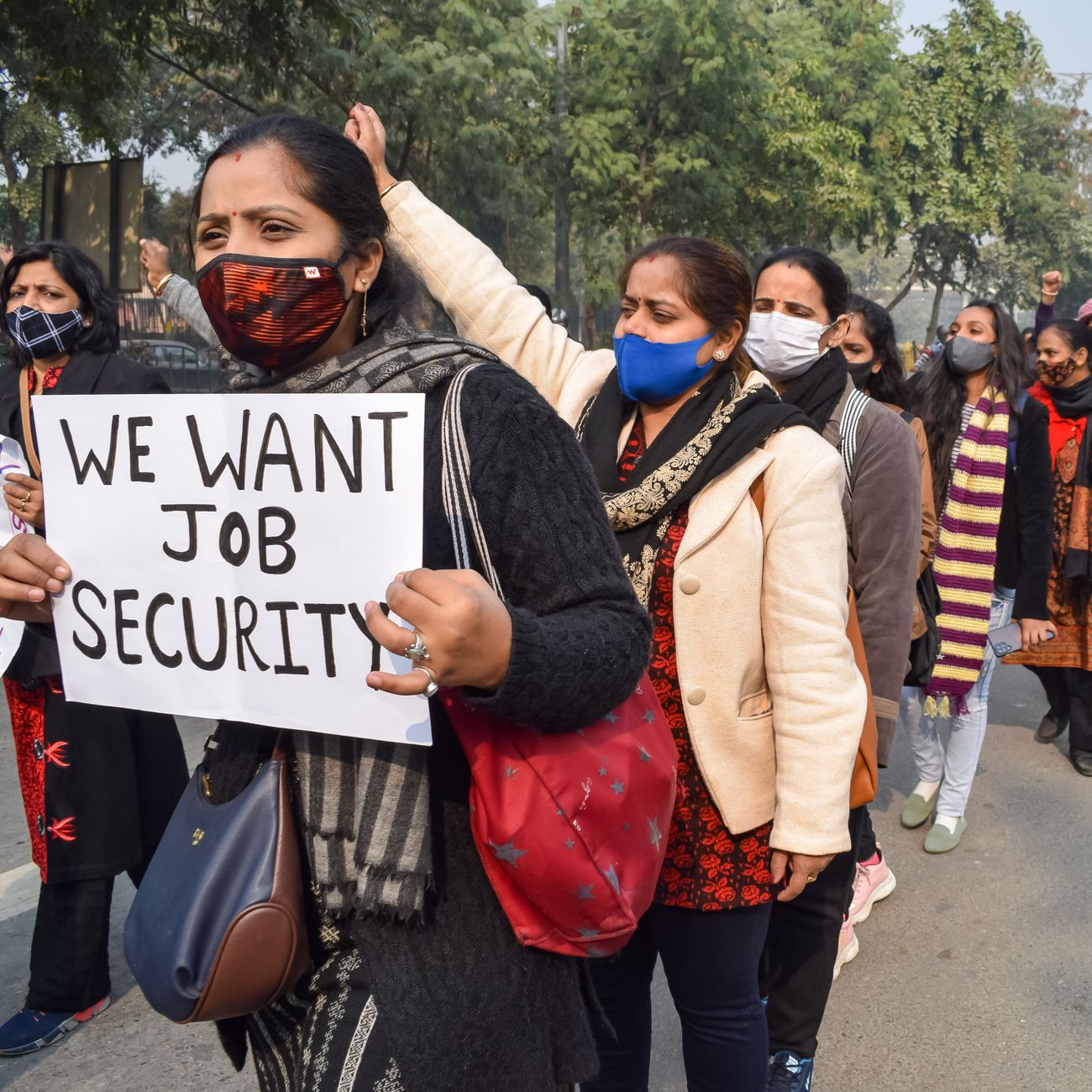
HCLTech, one of India's leading IT services companies, has made headlines with a significant workforce reduction of 3,292 employees during the first quarter, marking the steepest decline in employee headcount the company has seen in the past year. This development comes at a time when the Indian IT sector is navigating through a complex landscape of economic uncertainty, technological transformation, and evolving client demands.
Understanding the Context Behind the Job Cuts
The IT services industry in India has been experiencing a period of recalibration following years of aggressive hiring during the pandemic boom. Between 2020 and 2022, most major Indian IT firms went on hiring sprees to meet the surge in digital transformation demand. However, as global economic conditions have shifted, with concerns about recession in key markets like the United States and Europe, technology spending has moderated considerably.
HCLTech's workforce reduction reflects several interconnected factors. Companies across sectors are tightening their IT budgets, leading to slower project pipelines and reduced demand for additional workforce. Additionally, the rapid advancement of automation and artificial intelligence tools means that certain roles that previously required human intervention can now be handled more efficiently through technology.
Impact on the Indian IT Sector
This workforce adjustment at HCLTech is not happening in isolation. The broader Indian IT services sector has been witnessing similar trends, with several major players reporting either slower hiring rates or marginal workforce reductions. The industry, which employs millions of professionals and serves as a backbone of India's services economy, is in a transitional phase.
The reduction in headcount also signals a shift in the skill requirements within the industry. Companies are increasingly looking for professionals with expertise in emerging technologies such as artificial intelligence, machine learning, cloud computing, and cybersecurity, while traditional roles in application maintenance and support are seeing reduced demand.
What This Means for IT Professionals
For current and aspiring IT professionals, these developments underscore the importance of continuous skill development and adaptability. The days of relying solely on traditional programming languages or legacy systems knowledge are diminishing. Professionals need to invest in upskilling and reskilling to remain relevant in a rapidly evolving job market.
- Focus on emerging technologies and certifications in cloud platforms, AI, and data analytics
- Develop strong problem-solving and consulting skills beyond just technical coding
- Build expertise in industry-specific domains to offer specialized value to clients
- Enhance communication and client-facing capabilities for roles that involve direct business engagement
- Consider entrepreneurship or freelancing as alternative career paths in the gig economy
The Company's Perspective and Future Outlook
From HCLTech's standpoint, workforce optimization is often presented as a strategic necessity to maintain competitiveness and profitability. Companies argue that rightsizing allows them to reallocate resources toward high-growth areas and invest in automation and digital capabilities that position them better for future opportunities.
The IT services business model is evolving from labor-intensive delivery to platform-based, automated solutions that can deliver more value with fewer people. This transformation, while challenging for employment in the short term, is seen by industry leaders as essential for long-term sustainability.
Economic Implications
The reduction in IT sector employment has ripple effects across the Indian economy. IT professionals typically represent a significant consumer segment with high purchasing power. Job cuts can impact sectors ranging from real estate and automobiles to retail and hospitality, particularly in major IT hubs like Bangalore, Hyderabad, Pune, and Chennai.
However, it's important to note that the IT sector remains fundamentally strong, and these adjustments may be cyclical rather than structural. As global economic conditions stabilize and new technology adoption accelerates, hiring is likely to pick up again, albeit with different skill requirements.
Looking Ahead
While workforce reductions naturally create anxiety among employees and job seekers, they also represent an opportunity for the industry to reset and realign with future needs. The focus is shifting from headcount growth to value creation, from quantity to quality, and from traditional services to innovation-led solutions.
For those affected by such cuts, support systems including outplacement services, reskilling programs, and the growing startup ecosystem offer alternative pathways. The resilience and adaptability that Indian IT professionals have demonstrated over decades will continue to be their greatest assets in navigating these changing times.