India's healthcare system is undergoing a significant transformation as the country leverages both grassroots community programs and cutting-edge digital technologies to extend medical services to its vast and diverse population. This dual approach addresses long-standing challenges of geographical barriers, healthcare workforce shortages, and inequitable access between urban and rural areas.
The Community Healthcare Foundation
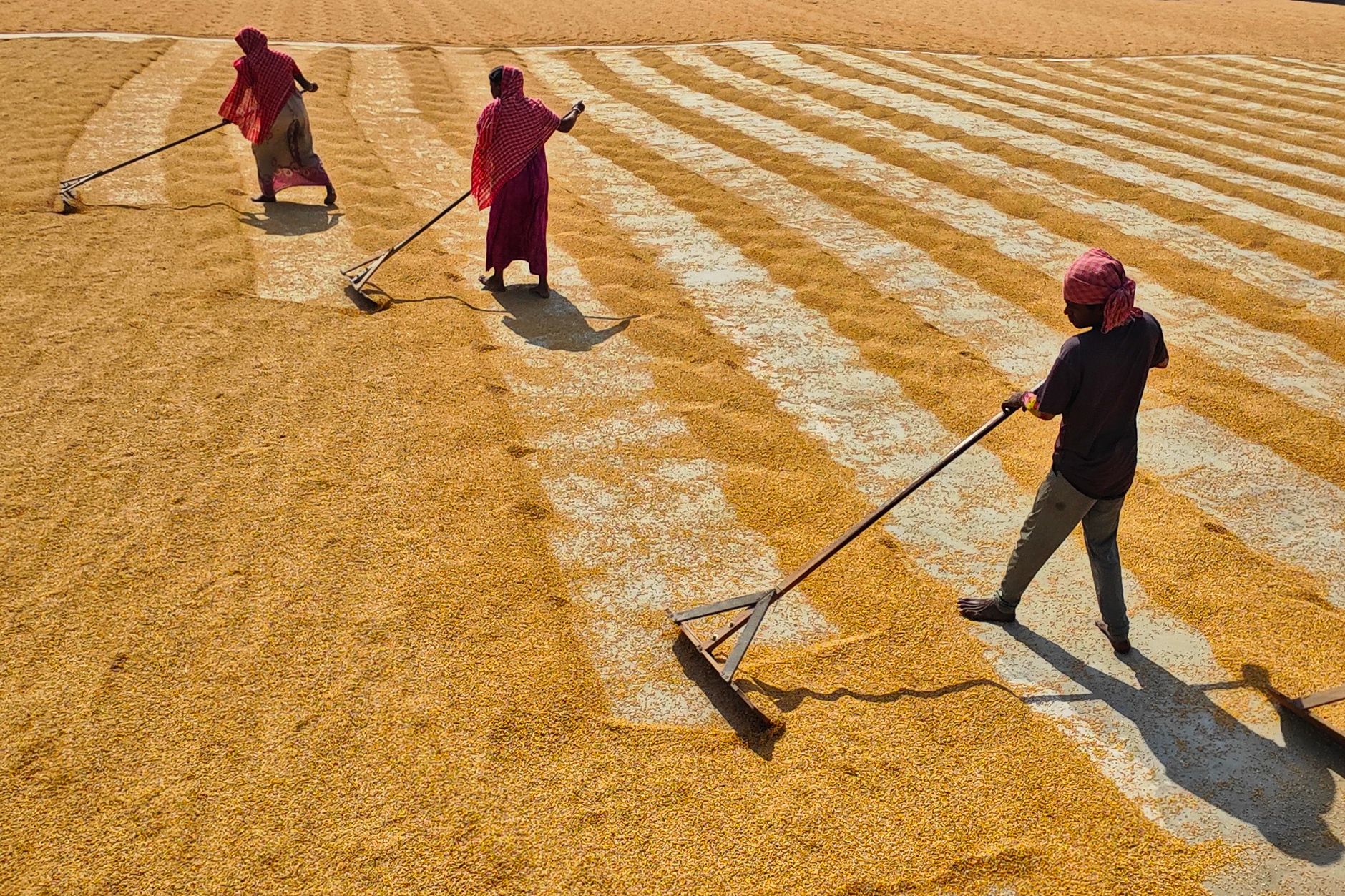
Community health workers have become the backbone of India's primary healthcare delivery system. Programs like the Accredited Social Health Activist (ASHA) initiative deploy trained local workers who serve as the first point of contact for health services in villages and underserved urban areas. These workers provide basic health education, maternal and child care, immunization support, and help connect communities with formal healthcare facilities.
The success of community-based healthcare lies in its cultural sensitivity and local trust. Community health workers typically come from the same regions they serve, speak local languages, and understand traditional beliefs and practices. This enables them to effectively communicate health messages and overcome barriers that might prevent people from seeking medical attention.
Recent expansions have strengthened these programs with better training, increased compensation, and integration with digital tools that allow community workers to maintain health records, track disease outbreaks, and coordinate referrals more efficiently.
Digital Health Revolution
India's digital health infrastructure has expanded rapidly, particularly following lessons learned during the COVID-19 pandemic. The Ayushman Bharat Digital Mission represents a comprehensive framework to create a national digital health ecosystem, providing every citizen with a unique health identifier linked to their medical records.
Telemedicine platforms have proliferated, connecting patients in remote areas with specialist doctors in urban centers. These platforms range from government-run services like eSanjeevani, which has facilitated millions of consultations, to private sector innovations offering affordable remote consultations through smartphones.
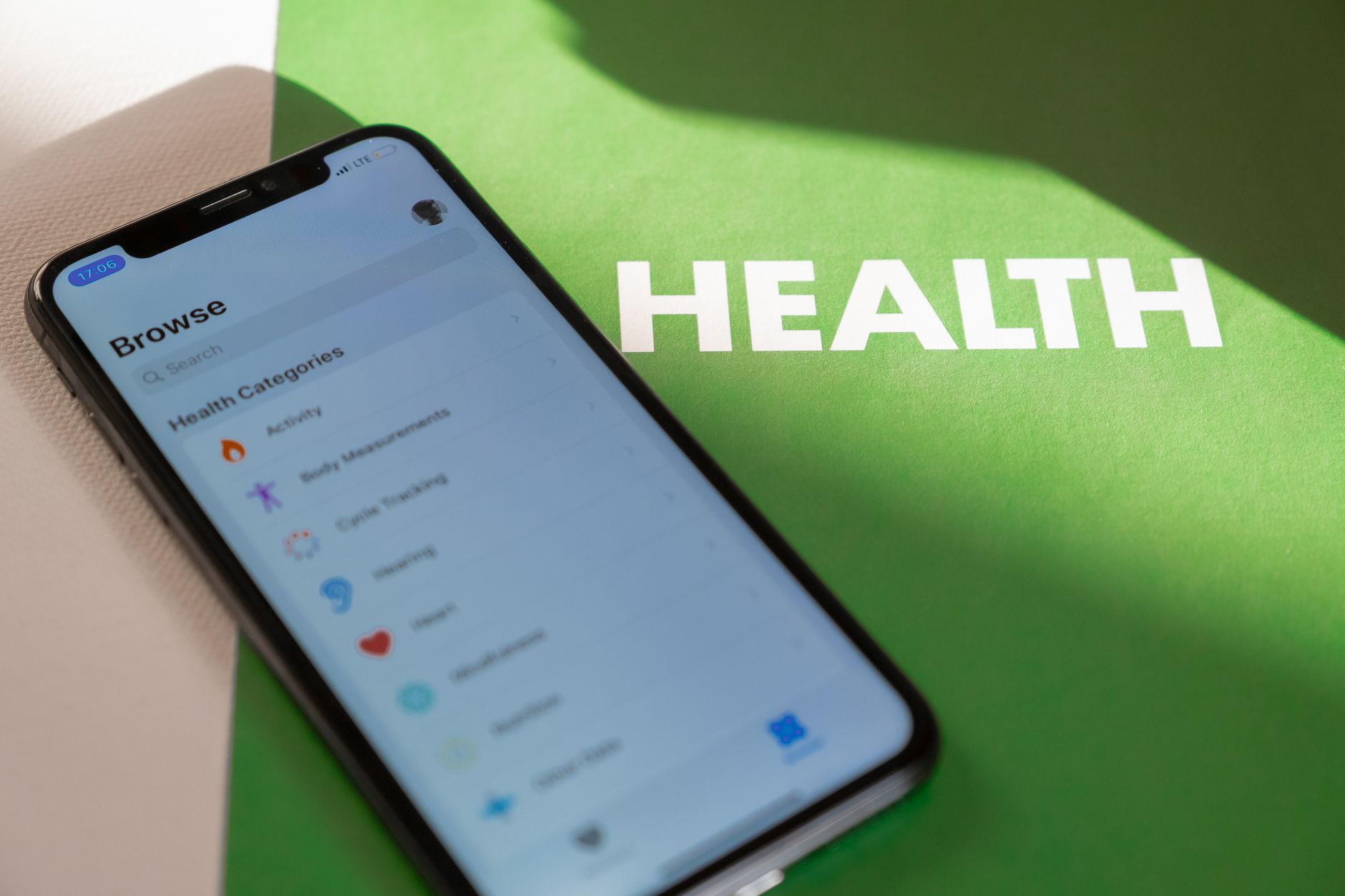
Mobile health applications now provide services ranging from appointment scheduling and medicine delivery to AI-powered symptom checkers and chronic disease management tools. These digital solutions are particularly valuable for managing non-communicable diseases like diabetes and hypertension, which require regular monitoring and lifestyle interventions.
Bridging the Digital Divide
While digital health holds enormous promise, India faces challenges in ensuring equitable access. Internet connectivity remains inconsistent in rural and remote areas, and digital literacy varies significantly across demographic groups. The government and private partners are addressing these gaps through:
- Establishing digital health kiosks in villages with trained operators to assist those unfamiliar with technology
- Developing multilingual interfaces and voice-based systems to accommodate users with limited literacy
- Creating offline-capable applications that can sync data when connectivity is available
- Partnering with telecommunications companies to improve network coverage in underserved regions
Integration and Data-Driven Interventions
The real power of India's healthcare expansion lies in integrating community and digital approaches. Community health workers now use tablets and smartphones to record patient data, which feeds into larger health information systems. This integration enables:
- Real-time disease surveillance and early outbreak detection
- Data-driven resource allocation to areas with greatest need
- Continuity of care as patients move between community clinics and hospitals
- Evidence-based policy making through comprehensive health statistics
State governments are using this integrated data to identify healthcare deserts, track vaccination coverage, monitor maternal and infant health indicators, and deploy mobile health units strategically.
Challenges and Future Directions
Despite progress, significant challenges remain. Healthcare infrastructure in rural areas still lags behind urban centers, specialist shortages persist, and out-of-pocket healthcare expenses continue to burden many families. Quality assurance in telemedicine consultations, data privacy concerns, and ensuring that technology complements rather than replaces human interaction are ongoing considerations.
The path forward involves sustained investment in both physical infrastructure and digital systems, comprehensive training programs for healthcare workers at all levels, and policies that incentivize practitioners to serve in underserved areas. Public-private partnerships will likely play an increasing role in scaling innovations and ensuring sustainability.
India's approach to strengthening healthcare access through community engagement and digital innovation offers a model for other developing nations facing similar challenges. By building on existing social structures while embracing technological advancement, the country is working toward the goal of universal health coverage and improved health outcomes for its 1.4 billion citizens.
This article is for general informational purposes only and does not constitute medical or healthcare policy advice. Healthcare access and services vary by location, and readers should consult local healthcare authorities and qualified medical professionals for specific health concerns.