India is set to host the 16th BRICS Health Ministers' meeting in Chandigarh, scheduled to take place from July 22 to 24. This significant gathering will bring together health ministers and senior officials from BRICS member nations to discuss critical health challenges and strengthen cooperation in the healthcare sector.
What is BRICS and Its Health Agenda
BRICS is an intergovernmental organization comprising Brazil, Russia, India, China, and South Africa, representing major emerging economies. The bloc has recently expanded to include new members such as Egypt, Ethiopia, Iran, and the United Arab Emirates. Together, these nations represent a substantial portion of the global population and economic output, making their collective health decisions particularly impactful.
The BRICS Health Ministers' meetings serve as a platform for member countries to coordinate policies, share best practices, and develop joint strategies to address common health challenges. These gatherings have become increasingly important in the post-pandemic era, as nations recognize the need for multilateral cooperation in healthcare.
Key Focus Areas Expected at the Meeting
The Chandigarh meeting is likely to address several pressing health issues facing member nations and the global community.
Pandemic Preparedness and Response
Given the lessons learned from COVID-19, pandemic preparedness will likely feature prominently in discussions. Member nations are expected to explore mechanisms for early warning systems, vaccine development cooperation, and coordinated emergency responses to future health crises.
Universal Health Coverage
BRICS nations have been working toward expanding healthcare access to their populations. The meeting may include discussions on innovative financing mechanisms, affordable medicine initiatives, and strategies to strengthen primary healthcare systems.
Traditional Medicine and Indigenous Healthcare
India has been a strong proponent of integrating traditional medicine systems with modern healthcare. The meeting may explore collaboration on research, standardization, and recognition of traditional medicine practices across member nations, including Ayurveda, Traditional Chinese Medicine, and other indigenous healing systems.
Antimicrobial Resistance
The growing threat of antimicrobial resistance represents a shared challenge for all BRICS nations. Ministers may discuss strategies for rational antibiotic use, surveillance systems, and research collaboration to develop new antimicrobial agents.
Non-Communicable Diseases
With rising rates of diabetes, cardiovascular diseases, and cancer across BRICS nations, the meeting is expected to address prevention strategies, early detection programs, and affordable treatment options for non-communicable diseases.
Why Chandigarh as the Host City
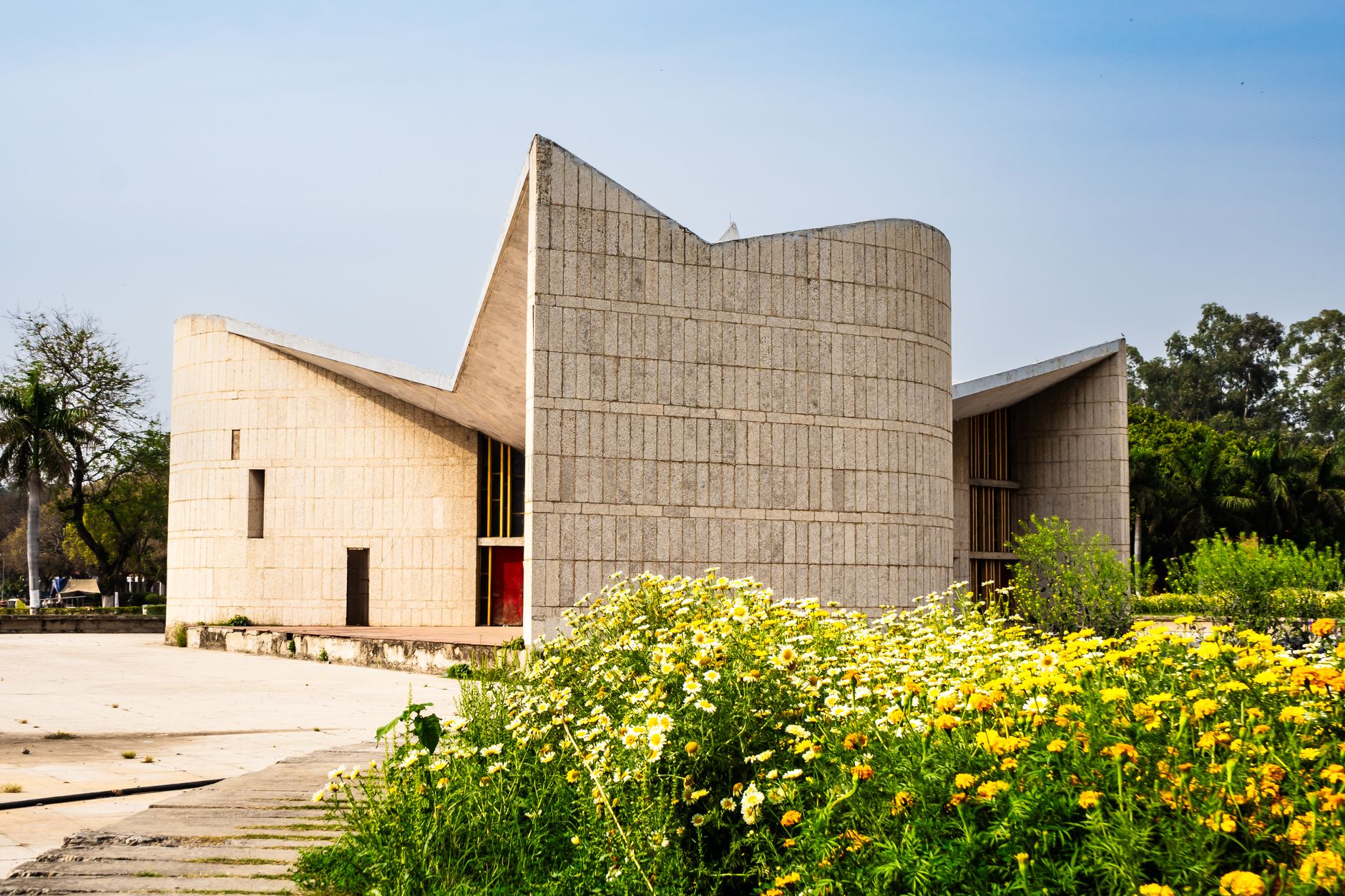
Chandigarh, designed by renowned architect Le Corbusier, serves as the capital of both Punjab and Haryana. The city's modern infrastructure, well-planned layout, and excellent connectivity make it an ideal venue for international conferences. Additionally, the region has several premier medical and research institutions that could potentially be showcased during the event.
India's BRICS Presidency Priorities
As the host nation, India will likely use this platform to advance its healthcare priorities and showcase its achievements in areas such as digital health, vaccine manufacturing capacity, and affordable generic medicines. India's pharmaceutical industry supplies a significant portion of the world's generic drugs and vaccines, positioning the country as a key player in global health security.
The meeting also provides India an opportunity to strengthen bilateral relationships with other BRICS members and explore new areas of collaboration, including telemedicine, health technology innovation, and capacity building in healthcare workforce development.
Expected Outcomes
The ministerial meeting is anticipated to result in joint declarations, memorandums of understanding, and action plans for cooperation in specific health domains. Previous BRICS health meetings have led to initiatives such as the BRICS Vaccine Research and Development Centre and collaborative projects on tuberculosis control.
The gathering may also establish working groups to carry forward specific initiatives between ministerial meetings, ensuring continuous engagement and progress on agreed priorities.
Significance for Global Health
While BRICS represents an economic and political bloc, its collective actions in health have global implications. The member nations include some of the world's largest pharmaceutical manufacturers, significant vaccine producers, and important markets for medical devices and technology. Coordinated health policies among these nations can influence global health standards, drug pricing, intellectual property norms, and pandemic response frameworks.
The Chandigarh meeting represents an important milestone in multilateral health cooperation, particularly at a time when the world continues to face evolving health challenges and the need for equitable healthcare access remains paramount.