India has taken a significant step toward strengthening its electronics manufacturing sector by removing import duties on certain smartphone and electronics components. This policy shift marks a strategic move to enhance the competitiveness of domestic manufacturers while potentially reducing the cost burden on consumers who purchase electronic devices.
The decision comes at a time when India is positioning itself as a global manufacturing hub, particularly in the electronics sector. By eliminating these duties, the government aims to make it easier and more cost-effective for companies to source essential components needed for assembling smartphones, computers, and other electronic devices within the country.
Components Covered Under the Duty Removal
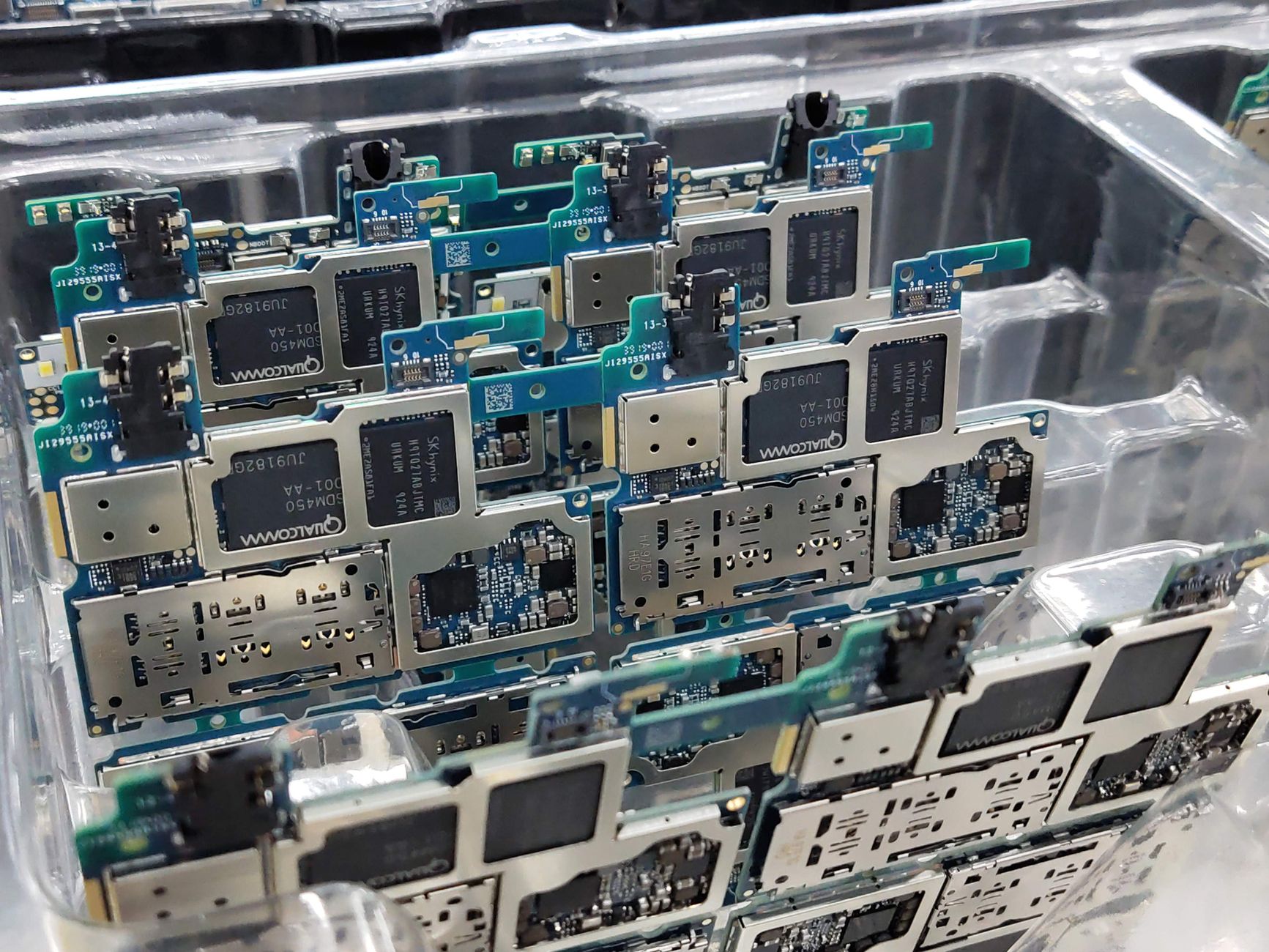
While the exact list of components varies, the duty exemption typically covers critical parts that are not yet manufactured at scale within India. These often include specialized items such as camera modules, display assemblies, certain types of semiconductors, printed circuit board assemblies, and various other high-technology components that require sophisticated manufacturing capabilities.
The removal of duties on these specific parts addresses a long-standing challenge faced by electronics manufacturers operating in India. Previously, import duties added to the production costs, making Indian-manufactured devices either more expensive or less profitable compared to those made in countries with established supply chain ecosystems.
Impact on Domestic Manufacturing
This policy change is expected to provide a significant boost to companies operating under the Production-Linked Incentive (PLI) scheme for electronics manufacturing. The PLI program has already attracted major global smartphone brands and their suppliers to establish or expand manufacturing facilities in India.
By reducing the cost of importing essential components, manufacturers can maintain competitive pricing while improving their profit margins. This creates a more attractive environment for both existing players and potential new entrants considering India as a manufacturing destination.
The move also complements the government's phased manufacturing program, which encourages the gradual localization of component production. As domestic capability for manufacturing these components develops, the ecosystem becomes increasingly self-reliant while still maintaining access to global supply chains for specialized parts.
Benefits for Consumers
Consumers stand to gain from this policy shift through potentially lower prices on smartphones and electronic devices. When manufacturers save on import duties, there is an opportunity for these savings to be passed down the value chain, ultimately benefiting end users.
Additionally, a more robust domestic manufacturing sector often leads to better product availability, faster market introductions of new models, and improved after-sales service infrastructure. As more companies invest in Indian manufacturing facilities, the overall quality and variety of products available in the market typically increases.
Strategic Positioning in Global Supply Chains
This duty removal aligns with India's broader ambition to become an integral part of global electronics supply chains. As companies worldwide look to diversify their manufacturing bases beyond traditional hubs, India is working to present itself as a viable alternative with a large domestic market, skilled workforce, and improving infrastructure.
The electronics sector represents one of India's largest import categories, and developing a strong domestic manufacturing base helps reduce trade deficits while creating employment opportunities. The smartphone industry alone employs hundreds of thousands of people directly and indirectly across manufacturing, retail, and service sectors.
Challenges That Remain
Despite this positive step, challenges persist in developing a fully integrated electronics manufacturing ecosystem. India still needs to significantly expand its semiconductor fabrication capabilities, improve logistics infrastructure, and develop a deeper supplier base for various specialized components.
The country must also continue investing in skill development programs to ensure a steady supply of trained workers who can operate advanced manufacturing facilities. Additionally, maintaining consistent policy frameworks and providing adequate infrastructure support will be crucial for sustaining long-term growth in this sector.
Looking Ahead
The removal of import duties on select electronics components represents a pragmatic approach to building manufacturing capabilities. Rather than imposing protective barriers that might increase costs, the government is facilitating easier access to necessary inputs while simultaneously encouraging domestic production through incentive schemes.
As this policy takes effect, its success will be measured by increased manufacturing activity, greater foreign and domestic investment in the sector, and improved competitiveness of Indian-made electronics in both domestic and international markets. The coming months will reveal how effectively this measure translates into tangible benefits for manufacturers and consumers alike.