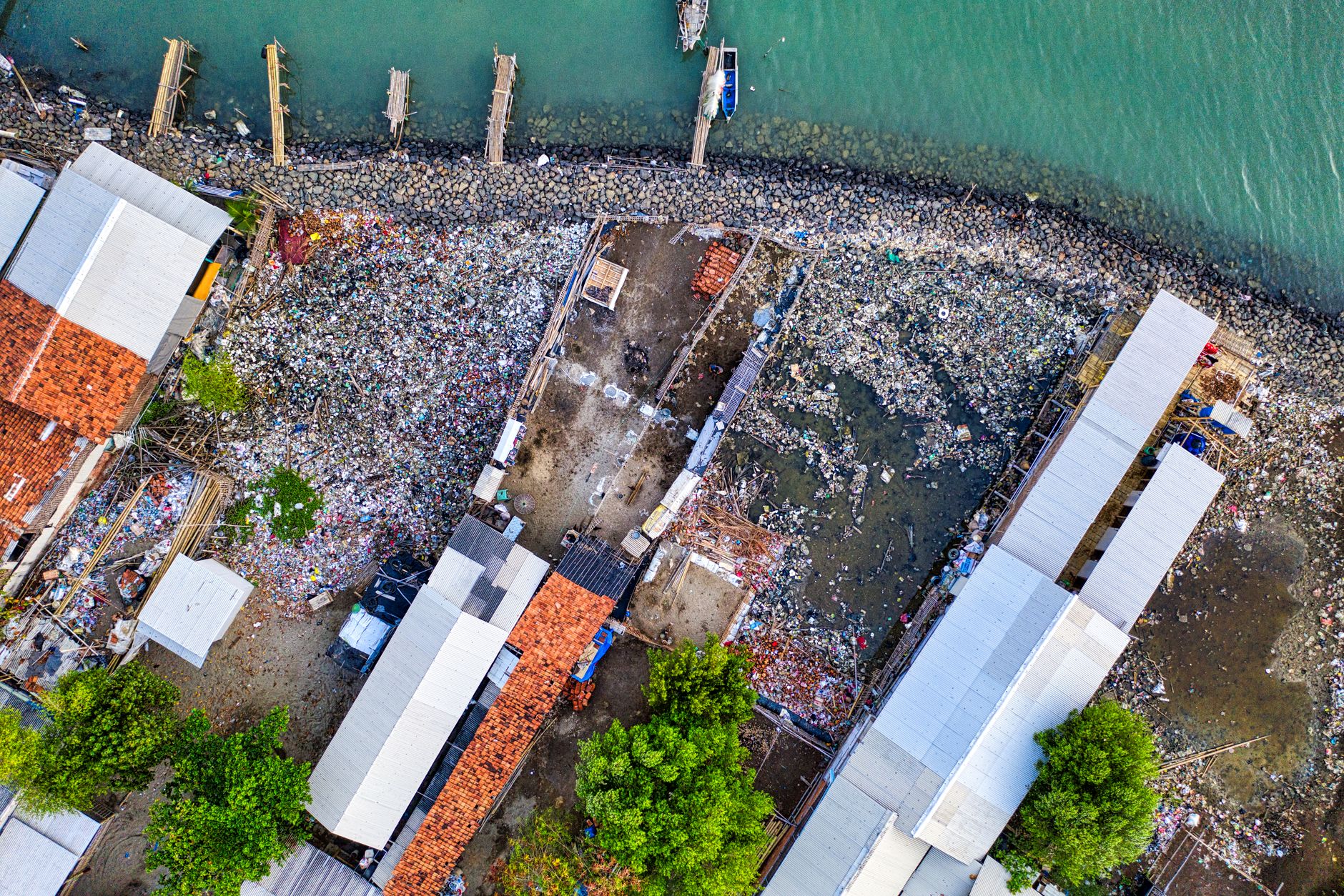
India has emerged as one of the world's fastest-growing technology hubs, and the country's leadership has made artificial intelligence a national priority. With ambitious plans to become an AI superpower by 2030, India is attracting billions in investment for data centers and computing infrastructure. However, this rapid expansion has sparked serious environmental and social concerns, particularly in coastal regions where many of these facilities are being planned or constructed.
The Scale of India's AI Ambitions
The Indian government has launched multiple initiatives to position the country as a global AI leader. These include significant funding for AI research, establishment of centers of excellence, and creation of favorable policies to attract technology companies. Major tech corporations, both domestic and international, are building massive data centers across the country to support AI development and cloud computing services.
The coastal cities of India, with their access to international undersea cables and relatively cooler temperatures, have become prime locations for these data centers. States like Maharashtra, Tamil Nadu, and Andhra Pradesh are competing to host these facilities, viewing them as engines of economic growth and job creation.
Water Consumption Becomes a Critical Issue
Data centers require enormous amounts of water for cooling their servers, which run continuously at high temperatures. In coastal cities that already face water scarcity issues, particularly during summer months, the additional demand from AI infrastructure has become a flashpoint.
A single large data center can consume millions of liters of water daily, equivalent to the water needs of thousands of households. In regions where communities already struggle with water access, the prospect of sharing this precious resource with technology facilities has generated significant opposition.
Local activists and environmental groups point out that coastal cities in India are already grappling with groundwater depletion, saltwater intrusion, and irregular monsoon patterns due to climate change. Adding industrial-scale water consumption to these existing challenges could push water systems to breaking point.
Power Demand and Carbon Footprint
Beyond water, data centers are extraordinarily energy-intensive. Training large AI models and running inference operations require vast amounts of electricity. While some companies have pledged to use renewable energy, the reality is that most Indian data centers still rely heavily on grid power, which is predominantly generated from coal.
Coastal communities worry about increased air pollution from expanded power generation and the strain on electrical grids that already experience frequent outages in many areas. The carbon footprint of AI development conflicts with India's climate commitments and the lived experience of communities already facing extreme heat, flooding, and other climate impacts.
Economic Promise Versus Environmental Cost
Supporters of AI infrastructure development argue that these facilities bring jobs, tax revenue, and technological advancement. They contend that India cannot afford to fall behind in the global AI race and that economic development must take priority.
However, critics question whether the benefits truly reach local communities. Data centers are highly automated and create relatively few permanent jobs compared to their environmental footprint. Meanwhile, the costs—depleted water tables, higher electricity prices, environmental degradation—are borne primarily by local residents.
The Path Forward
The tension between technological progress and environmental sustainability is not unique to India, but the country's particular challenges—high population density, water stress, energy constraints—make the tradeoffs especially acute.
Some experts suggest that India needs stricter regulations requiring data centers to use recycled water, invest in renewable energy, and conduct thorough environmental impact assessments. Others advocate for building AI infrastructure in regions with better water availability and renewable energy potential, even if it means higher costs.
The debate in India's coastal cities reflects a broader global question: how can countries pursue technological advancement without sacrificing environmental sustainability and community well-being? As AI continues to expand, finding this balance will become increasingly critical.
India's experience may offer important lessons for other developing nations racing to build AI capabilities while managing limited resources and environmental pressures. The outcome will likely shape not just India's technological future, but its environmental and social landscape for generations to come.