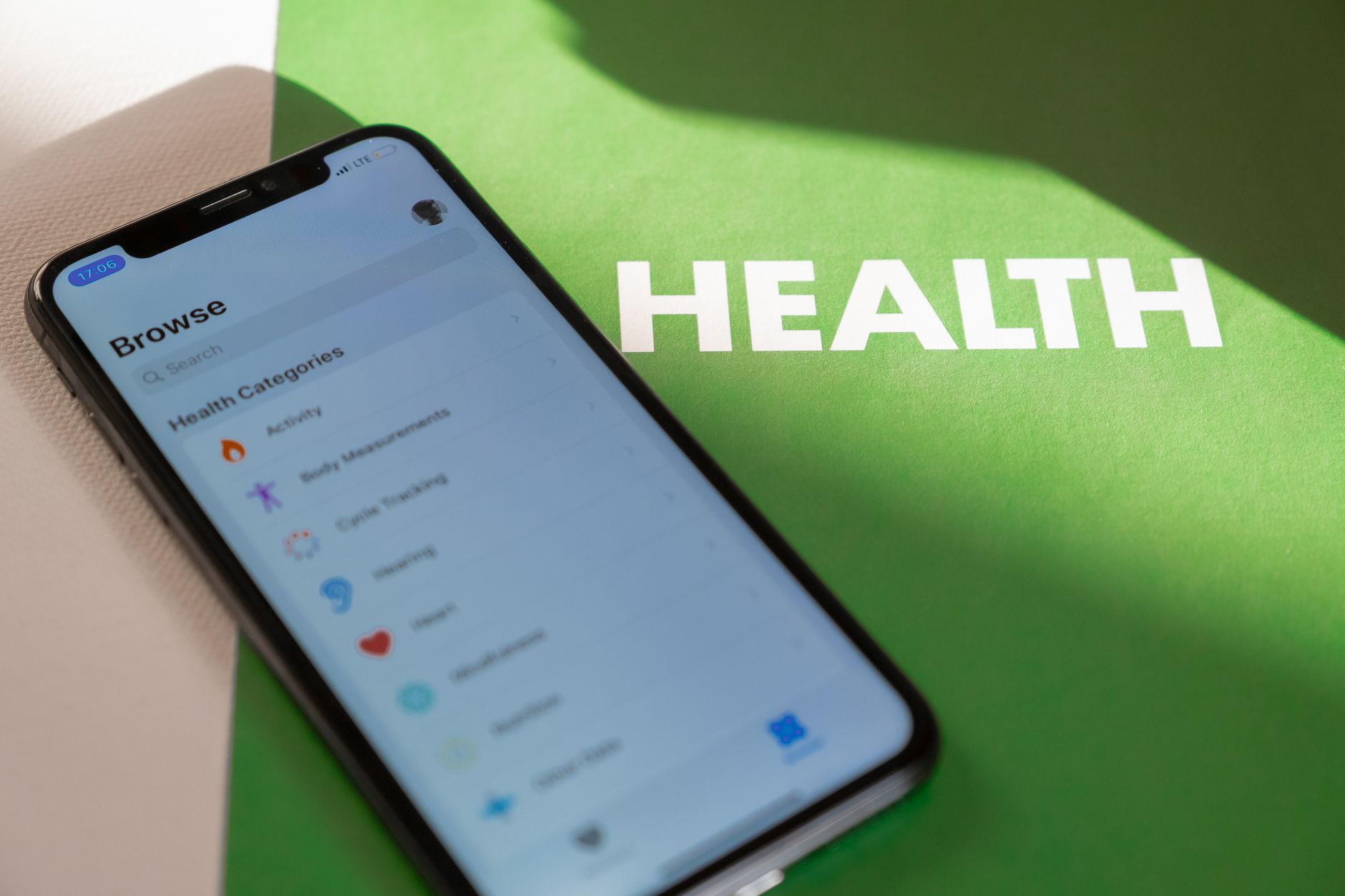
India is witnessing a fundamental transformation in healthcare delivery and management, driven by ambitious digital health initiatives that place citizens at the center of their own medical information. This shift represents more than just digitization—it marks a paradigm change from passive record-keeping to active health ownership by individuals.
The Traditional Healthcare Record Challenge
For decades, Indian patients faced significant challenges managing their health information. Medical records were scattered across multiple healthcare providers, often in paper form, making it difficult to maintain comprehensive health histories. Patients moving between cities or changing doctors struggled to provide complete medical backgrounds, leading to repeated tests, potential medication errors, and fragmented care.
The lack of continuity in health records also meant that critical information during emergencies was often unavailable, potentially compromising treatment outcomes. Furthermore, the paper-based system made it nearly impossible for citizens to track their health journey over time or share information seamlessly with different healthcare providers.
Ayushman Bharat Digital Mission: The Foundation
Launched in 2021, the Ayushman Bharat Digital Mission (ABDM) represents India's comprehensive framework for creating a digital health ecosystem. The mission aims to develop the necessary infrastructure to support integrated digital health services across the country, connecting various stakeholders including hospitals, laboratories, pharmacies, insurance companies, and citizens.
At the heart of this initiative is the creation of unique health identifiers for every citizen, enabling them to access and control their health records digitally. The mission envisions a scenario where patients can seamlessly share their medical history with any healthcare provider, regardless of location, while maintaining complete control over who accesses their information.
ABHA: Your Digital Health Identity
The Ayushman Bharat Health Account (ABHA) number serves as a unique 14-digit identification number for every Indian citizen participating in the digital health ecosystem. This number acts as a gateway to all digital health services and links all health records across different healthcare providers into a single, portable profile.
Creating an ABHA number is straightforward and can be done through multiple channels including the ABHA mobile application, participating healthcare facilities, or online portals. Once created, citizens can link their health records from various sources, making their complete medical history accessible whenever needed.
Key Benefits of Digital Health Ownership
The shift to digital health ownership offers numerous advantages for Indian citizens:
- Consolidated health records accessible anytime, anywhere through smartphones or computers
- Reduced duplication of diagnostic tests and medical procedures
- Better continuity of care when changing doctors or moving locations
- Improved accuracy in diagnosis and treatment through comprehensive medical histories
- Enhanced ability to share records during emergencies or specialist consultations
- Greater transparency in healthcare costs and treatment options
- Easier management of insurance claims and reimbursements
Privacy and Security Considerations
With increased digitization comes the critical responsibility of protecting sensitive health information. The ABDM framework incorporates robust security measures and consent-based data sharing protocols. Citizens retain control over who can access their health records and for what purpose.
The Health Data Management Policy ensures that health information cannot be accessed without explicit patient consent. This consent-based architecture means that even healthcare providers must request permission before viewing specific health records, and patients can grant or revoke access as needed.
Telemedicine and Remote Healthcare Access
Digital health ownership has accelerated the adoption of telemedicine services across India, particularly valuable for citizens in remote or underserved areas. With digital health records readily available, doctors can provide informed consultations remotely, prescribe medications through e-prescriptions, and monitor chronic conditions without requiring physical visits.
This integration has proven especially significant during the COVID-19 pandemic, when remote healthcare became essential, and continues to benefit elderly patients, those with mobility challenges, and people living far from major medical centers.
Implementation Challenges and Progress
While the vision is ambitious, implementation faces challenges including digital literacy gaps, infrastructure limitations in rural areas, and the need for widespread adoption by healthcare providers. However, steady progress continues with millions of ABHA numbers created and increasing numbers of healthcare facilities integrating with the digital health ecosystem.
Government initiatives focus on expanding internet connectivity, conducting awareness campaigns, and providing support systems to help citizens navigate digital health platforms effectively.
The Road Ahead
India's digital health transformation represents a long-term vision requiring sustained effort from government, healthcare providers, technology partners, and citizens themselves. As adoption increases and the ecosystem matures, the promise of truly citizen-centric healthcare becomes increasingly achievable.
The shift from passive record-keeping to active health ownership empowers Indians to become informed participants in their healthcare journey, potentially improving outcomes while making the healthcare system more efficient and responsive to individual needs.
This article provides general information about digital health initiatives in India and should not be considered medical or legal advice. Citizens should consult healthcare providers and official government resources for specific guidance on using digital health services.