India has taken a major step forward in combating dengue fever with the approval of QDENGA, the country's first-ever dengue vaccine. This development comes as a relief for a nation that sees hundreds of thousands of dengue cases every year, particularly during and after the monsoon season. Understanding how this vaccine works, who should get it, and what protection it offers is crucial for anyone considering vaccination.
What is QDENGA?
QDENGA is a live-attenuated vaccine developed by Takeda Pharmaceutical Company. It is designed to protect against all four serotypes of the dengue virus (DENV-1, DENV-2, DENV-3, and DENV-4), which is significant because infection with one serotype does not provide immunity against the others. In fact, subsequent infections with different serotypes can lead to more severe forms of the disease, including dengue hemorrhagic fever and dengue shock syndrome.
The vaccine uses weakened versions of the dengue virus that cannot cause disease but can trigger an immune response. This trains the body's immune system to recognize and fight off the actual dengue virus if exposed in the future.
Effectiveness and Protection Levels
Clinical trials conducted across dengue-endemic regions have shown that QDENGA provides substantial protection against symptomatic dengue disease. The vaccine has demonstrated approximately 80-85% effectiveness in preventing hospitalization due to dengue and around 60-70% overall efficacy against symptomatic dengue across all four serotypes.
The protection levels vary slightly depending on the specific serotype and whether the person has been previously exposed to dengue. Studies indicate that the vaccine works well in both individuals who have had dengue before (seropositive) and those who haven't (seronegative), though effectiveness rates may differ between these groups.
Importantly, the vaccine's protection appears to be sustained over several years, though long-term data is still being collected. The most significant benefit is the dramatic reduction in severe dengue cases requiring hospitalization, which is ultimately the most critical outcome in preventing dengue-related deaths.
Dosage Schedule
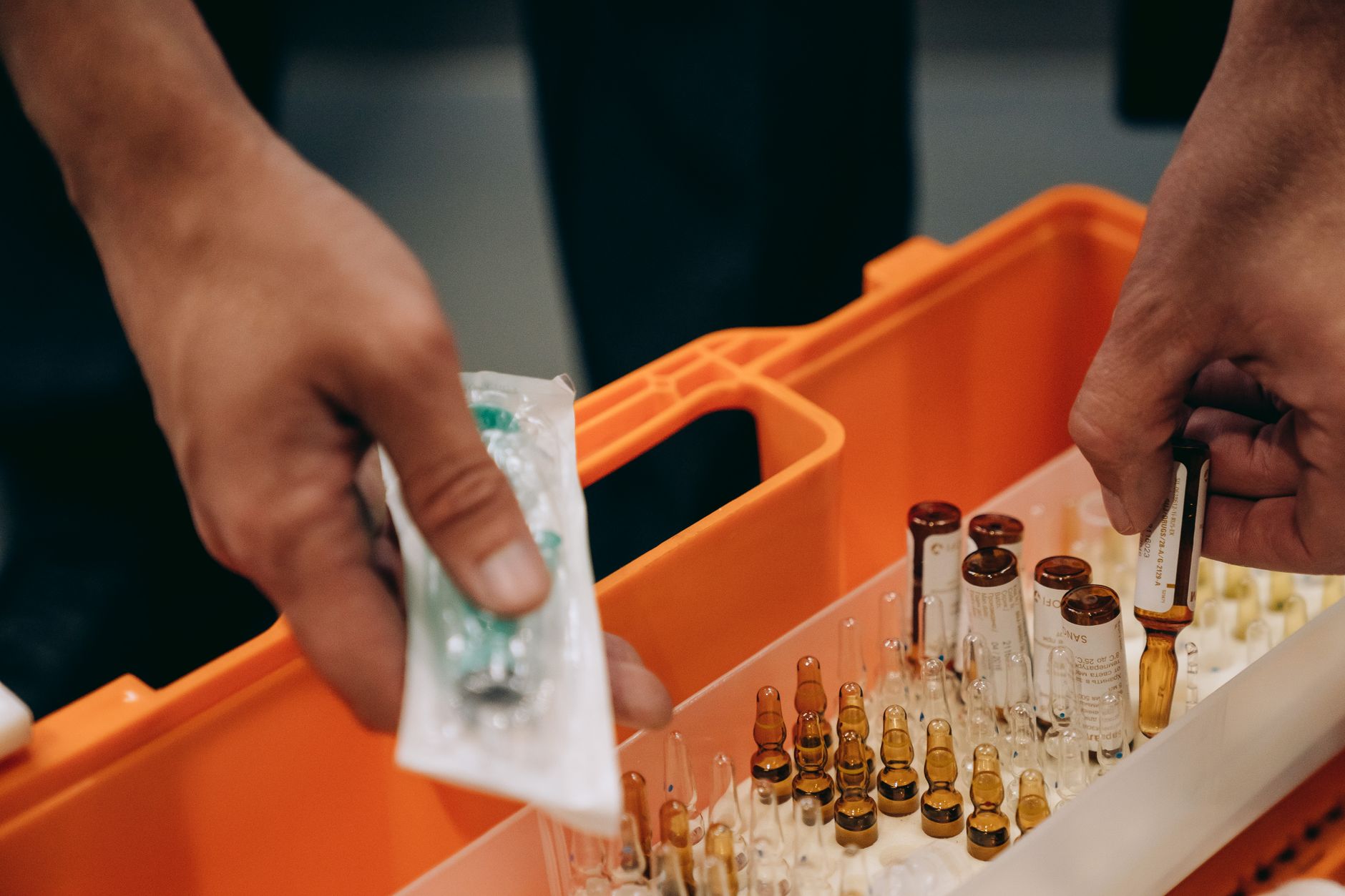
QDENGA is administered as a two-dose series. The second dose should be given three months after the first dose. Both doses are given as subcutaneous injections, meaning they are administered just beneath the skin rather than into the muscle.
For optimal protection, it is essential to complete both doses. While some immunity develops after the first dose, the full protective effect requires the completion of the two-dose schedule. The vaccine can be administered in healthcare facilities, hospitals, and authorized vaccination centers across India.
Who is Eligible?
The vaccine has been approved for use in individuals aged 4 to 60 years. This age range covers the groups most vulnerable to severe dengue complications, including children and adults in their productive years.
However, certain groups should not receive the vaccine or should consult with healthcare providers before vaccination:
- Pregnant women should avoid QDENGA as it contains live virus components
- Individuals with severely compromised immune systems may not be suitable candidates
- People with a history of severe allergic reactions to any vaccine component should exercise caution
- Those currently experiencing fever or acute illness should postpone vaccination until recovery
Unlike some earlier dengue vaccines, QDENGA can be administered regardless of prior dengue infection status, making it simpler to roll out in endemic areas without requiring pre-vaccination testing.
Significance for India
Dengue poses a major public health challenge in India, with cases reported from almost every state. The disease burden peaks during monsoon and post-monsoon months when mosquito breeding is at its highest. Urban and semi-urban areas are particularly affected due to water storage practices and inadequate waste management that create breeding grounds for Aedes mosquitoes.
The availability of QDENGA provides an additional tool alongside existing prevention strategies like mosquito control, using mosquito nets, wearing protective clothing, and eliminating standing water. While the vaccine offers significant protection, it does not replace these preventive measures, which remain essential in controlling dengue transmission.
Cost and Accessibility
As the vaccine is newly approved in India, information about pricing and insurance coverage is still emerging. The cost of dengue vaccination in other countries has varied, and affordability will be a key factor in determining how widely the vaccine can be deployed across different economic sections of Indian society.
This article is for general informational purposes only and does not constitute medical advice. Individuals should consult qualified healthcare professionals to discuss whether dengue vaccination is appropriate for their specific circumstances, medical history, and risk factors.